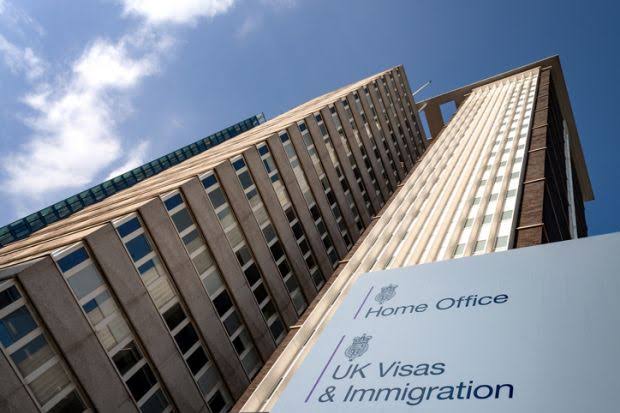

LONDON — The United Kingdom has announced a sweeping crackdown on its student visa system, introducing stricter compliance metrics that could strip British universities of their licenses to recruit international students if they fail to meet heightened standards.
The new measures, unveiled by the UK Home Office, aim to eliminate what ministers describe as the “backdoor” abuse of study visas being used for irregular migration, unauthorized employment, or immediate asylum claims
Moving the Goalposts: The New Compliance Metrics
To maintain their Student Sponsor License, higher education institutions must pass an annual Basic Compliance Assessment (BCA). The Home Office has significantly raised the “pass marks” across all three core operational metrics, effectively leaving almost zero margin for error.
The policy shift adjustments include:
- Visa Refusal Rate: Universities must now ensure that the share of visa rejections among their sponsored applicants remains below 5% (halved from the previous 10% allowance).
- Course Enrolment Rate: Institutions are required to successfully enroll at least 95% of the international students they sponsor (up from 90%).
- Course Completion Rate: The minimum percentage of international students who must successfully finish their academic programs has been raised to 90% (up from 85%).
According to the Home Office, high dropout rates often indicate that individuals have abandoned their academic paths to enter the illegal working economy. Concurrently, high visa refusal rates suggest that universities are not conducting adequate due diligence and screening on applicants before issuing a Certificate of Acceptance for Studies (CAS).
The 2027 ‘Traffic Light’ Sanction System
While the updated thresholds take immediate effect for tracking, the government revealed that a new traffic-light rating system will formally launch in the summer of 2027 to hold institutions publicly accountable.
Under this framework, universities designated with a Red rating will face an immediate cap on the number of international students they can bring into the country. They will also be legally required to fully finance a mandatory 12-month remedial action plan. If an institution fails to show marked improvement after the 12-month probationary period, it faces a total ban on international recruitment.
Curbing Asylum and Visa Shifting
The policy comes amid intense political pressure within the UK to lower net migration, which has otherwise seen an overall decline of 74% due to cumulative restrictions. Home Office statistics indicate that 10,835 individuals who arrived in the UK via student visas went on to apply for asylum in the year ending March 2026.
To combat this, the UK government has already executed several measures:
- Visa Brakes: A first-of-its-kind “visa brake” has been applied to study routes from high-risk nations, including Afghanistan, Cameroon, Myanmar, and Sudan.
- Dependant Restrictions: Most international students on taught master’s programs have been barred from bringing family members, heavily impacting student pipelines from countries like Nigeria and India.
- Proactive Warnings: The Home Office noted it has contacted roughly 306,000 students with expiring visas over the past year, warning them that meritless asylum claims will be rejected swiftly and could result in forced removal.
Sector Anxieties and Economic Impact
While student-linked asylum claims have reportedly dropped by 30% over the last year due to initial enforcement, the latest round of tightening has triggered deep anxieties across the UK higher education sector.
International education serves as an incredibly lucrative asset for the UK, bringing in an estimated £37 billion in export earnings annually and effectively subsidizing domestic student tuition. Recent drops in international applications have already forced several British universities to announce major budget cuts and staff redundancies.
Furthermore, policy analysts warn that the sub-5% visa refusal threshold could disproportionately punish universities recruiting heavily from low- and middle-income nations. Because historical data shows average visa refusal rates from countries like Pakistan (18%) and Bangladesh (22%) sit well above the new 5% limit, universities may simply stop recruiting from entire geographic regions to protect their own compliance safety.
Responding to the announcement, Professor Malcolm Press CBE, speaking on behalf of Universities UK, stated:
“UK universities are one of our greatest success stories… We are fully committed to protecting the integrity of the visa system. However, what universities need from government is policy stability, transparent visa decision-making, and real-time data to act on emerging concerns.”
Migration and Citizenship Minister Mike Tapp reiterated that while genuine students will always be welcome, the government must push further to restore absolute control over the borders.
To gain more clarity from the changing UK Immigration laws, please contact Smart & CO Solicitors chigbo@smartcosolicitors.co.uk
Advertising enquiries should be sent to advertise@abtnews.net or +447918790290


 By
By