
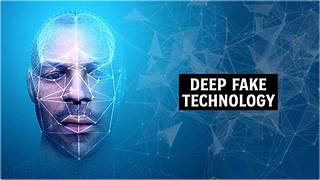

The arrival of advanced generative AI and Deepfake-as-a-Service (DaaS) has completely rewritten the cybercrime playbook. Cybercriminals no longer need to spend days researching a target or possess advanced technical coding skills to pull off high-value heists. Instead, they are weaponizing artificial intelligence to exploit human psychology at machine speed.
The primary ways threat actors are combining AI and deepfakes to supercharge their social engineering campaigns include:
1. Real-Time Multimodal Impersonation
The most alarming shift is the transition from static, text-based scams to live, multi-channel deception combining voice, video, and email.
- Indistinguishable Voice Cloning: It now takes less than 10 seconds of clean audio—easily scraped from a target’s LinkedIn video, media interview, or social media post—to create a perfect AI voice clone. Attackers use these to call finance teams to verbally authorize fraudulent wire transfers or trick employees into approving Multi-Factor Authentication (MFA) prompts.
- Live Video Face-Swaps: Real-time deepfakes have progressed to the point where they can pass casual inspection during live video calls on platforms like Microsoft Teams or Zoom. Attackers map a high-ranking executive’s or legal counsel’s likeness onto their own face during a moving video tile to order urgent, confidential transactions.
2. Automated Hyper-Personalization at Scale
Traditionally, there was a trade-off for hackers: they could either send generic, poorly written phishing emails to millions of people (low success rate), or manually spend weeks researching one high-value individual for a targeted “spear-phishing” attack. AI has eliminated this barrier.
- Mass Data Scraping: AI models scan thousands of public databases, social media platforms, and corporate filings simultaneously. They extract genuine context—such as a target’s recent promotion, the conferences they attended, or who their immediate colleagues are.
- Contextual Hook Generation: Large Language Models (LLMs) parse this scraped data to instantly draft highly specific, contextually accurate phishing emails with perfect grammar. According to security benchmarks, AI-generated phishing emails achieve a 54% click-through rate compared to just 12% for traditional phishing.
3. Long-Term Automated Exploitation
Cybercriminals are using AI chatbots to scale “pig butchering” and long-term grooming scams. Instead of a human operator managing a few victims at a time, autonomous AI agents can maintain highly personalized text conversations with thousands of individuals simultaneously over months. These bots build trust, simulate authentic human relationships, and eventually manipulate victims into fraudulent cryptocurrency investments or sharing corporate credentials.
4. Exploiting the “AI Hype” as Bait
Threat actors actively weaponize public curiosity and corporate pressure surrounding AI adoption. Microsoft Threat Intelligence has observed massive social engineering campaigns utilizing AI-themed lures, such as:
- Phishing emails disguised as “critical account updates” or subscription billing failures for popular platforms like ChatGPT, Claude, and Midjourney.
- Malvertising and search engine manipulation promoting fake “Awesome AI Windows Plugins” or standalone generation tools that actually deliver code-signed malware to hijack corporate endpoints.
The New Defense Paradigm: Because AI has pushed deepfakes past the threshold of human detection, traditional security training like “look for bad grammar or weird lighting” is obsolete. Modern defense relies on strict process verification—such as mandatory out-of-band verbal confirmation using secret, unshared corporate “code words” before any major transaction is approved.
Stay tuned to ABT NEWS www.abtnews.net for global business insights, Trending News and Breaking News requirement. Please send your data protection, compliance and advertising enquiries to advertising@abtnews.net or +44791879090


 By
By