

ABT NEWS EXCLUSIVE | June 25, 2026
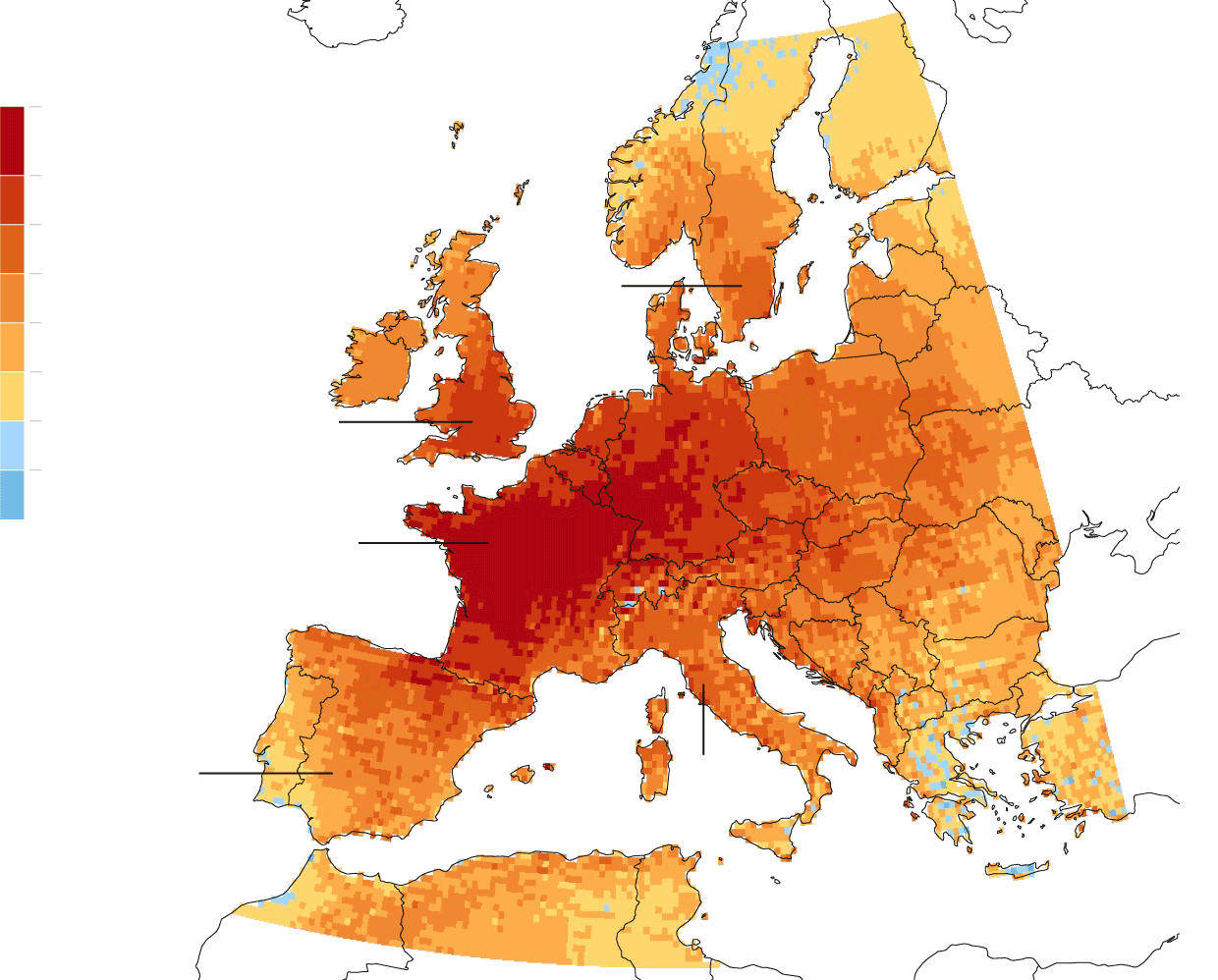
A relentless heat dome has settled over Europe, shattering historical temperature records and pushing the continent’s healthcare infrastructure to the brink of collapse. With temperatures repeatedly surging past 40°C (104°F) in parts of France and Spain, and the UK recording its hottest June days in history, emergency services are facing an unprecedented surge in life-threatening calls
Across the continent, hospitals are not just filling up—they are breaking down. In England, several NHS trusts have declared critical incidents. The extreme temperatures and high humidity have caused vital medical equipment, including MRI scanners and radiotherapy machines used for cancer treatments, to completely fail.
“The conditions are awful due to overcrowding,” reported one UK physician dealing with a massive influx of elderly patients suffering from severe dehydration and heat collapse. “Very few places have air conditioning, and staff are really struggling.”
Infrastructure Melting Under Pressure
The crisis highlights a glaring vulnerability: much of Europe’s medical infrastructure was simply not built to withstand this level of sustained extreme heat.
- System Failures: At Queen Alexandra Hospital in Portsmouth, a total loss of cooling capacity caused digital servers to overheat, crippling operating theaters and diagnostic labs.
- Canceled Surgeries: Thousands of elective surgeries are at risk of cancellation across the UK. Operating theaters without climate control have become dangerously hot, creating an unsafe environment for both patients and surgical teams.
- Sweltering Wards: Doctors report that some older geriatric wards have hit 35°C indoors. Even in newer facilities, cooling systems have been deliberately shut down to prevent them from burning out entirely.
A Staggering Human Toll
The human cost of the heatwave is climbing rapidly. Spain has emerged as one of the hardest-hit nations, with its mortality monitoring system (MoMo) recording 212 deaths directly attributable to the extreme temperatures over just a four-day period.
In France, where a national average of 30.0°C broke an all-time record set during the deadly 2003 and 2019 heatwaves, tragedy has struck heavily. At least 48 people have drowned in the country while seeking relief in unsupervised waters, and emergency rooms in Paris reported a fourfold increase in heat-related visits, alongside a severe spike in cardiac arrests.
“The Fingerprints of the Climate Crisis”
The World Meteorological Organization (WMO) has mobilized coordinated heat-health action plans to support millions of vulnerable citizens. UN climate chief Simon Stiell warned that this week’s extreme weather “has the fingerprints of the climate crisis all over it.”
As the heatwave continues its grip into the weekend, the immediate focus remains on triage. Ambulance services, including the London Ambulance Service, report responding to the highest number of life-threatening emergencies in their history.
For now, healthcare workers are battling on the frontlines of a rapidly warming world, struggling to keep patients cool in buildings that are actively working against them.


 By
By