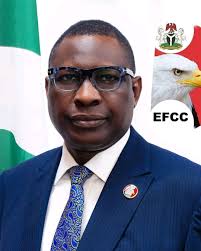

ABUJA, NIGERIA — In an unsparing critique of faith-based financial impropriety, the Executive Chairman of the Economic and Financial Crimes Commission (EFCC), Ola Olukoyede, has issued a sharp warning to religious leaders across the nation: co-mingling church and mosque funds with personal businesses is a federal crime.
Speaking at the 2026 Second Council Meeting of the Nigeria Inter-Religious Council (NIREC) in Abuja, Olukoyede revealed that the anti-graft agency’s case files are overflowing with indicted and convicted clerics, including pastors, imams, bishops, and sheikhs currently serving prison terms for financial fraud.
Key Takeaways from the EFCC Directives
- Criminalization of Co-Mingling: Religious leaders who operate private ventures (such as farming or car sales) are legally required to strictly separate personal accounts from the purses of their worship centers.
- Mandatory Compliance Templates: Faith organizations have been advised to immediately establish internal regulatory and financial compliance frameworks to track contributions.
- Sanctifying Proceeds of Crime: Worship centers were cautioned against dedicating multi-million naira structures or celebrating massive donations from public servants whose contributions far exceed their legal lifetime earnings.
“Don’t Mix Institutional Funds with Personal Gain”
Addressing the gathered assembly of Muslim and Christian leaders, the EFCC boss emphasized that while clerics are free to engage in legitimate private enterprise, using congregational tithes, offerings, or zakat to capitalize personal businesses constitutes illegal diversion.
“You sell cars, you have a farm, and all of that. Don’t mix the money from the purse of your organization with that of your personal money. When money is paid to your organization, don’t divert it to your business. That is criminal.”
— Ola Olukoyede, EFCC Chairman
Olukoyede noted that because faith communities operate largely as non-profit entities, founders and heads of worship centers often blur the boundary between institutional revenue and personal wealth. He stressed that donations made by worshippers are held in public trust for charitable and spiritual purposes, not as personal revenue for religious executives.
Faith Institutions as Moral Havens for Unexplained Wealth
The EFCC Chairman also condemned the practice of religious centers bestowing honors and spiritual blessings on questionable individuals in exchange for financial contributions.
Highlighting cases where public officers dedicate sprawling places of worship costing far beyond their legal salary caps, Olukoyede warned:
“A public servant says he has built a mosque or church that is worth more than his earnings in the next 500 years. And you go there to dedicate it. You are dedicating the proceeds of crime.”
He challenged faith leaders to interrogate the sources of funds donated to their institutions rather than measuring members solely by the size of their wallets.
Launch of Interfaith Anti-Corruption Framework
The NIREC event featured the inauguration of a new Inter-Faith Anti-Corruption Manual designed jointly by the EFCC and religious bodies. The manual provides sermon guidelines and administrative templates aimed at promoting financial transparency within places of worship and teaching accountability from the pulpit.
Olukoyede concluded by reminding clerics that spiritual titles offer no immunity under Nigerian law. “Financial crime has no religion, and corruption has no tribe,” he stated, urging faith leaders to ensure their institutions serve as models of integrity rather than shields for money laundering.


 By
By