
CARACAS — Rescue workers are locked in a desperate race against time as the critical 72-hour survival window closes following the catastrophic twin earthquakes that struck northwestern and central Venezuela.
The Human Toll
The violent magnitude 7.2 and 7.5 earthquakes, which ruptured just 39 seconds apart along the San Sebastián fault system, have claimed at least 1,430 lives. Emergency response data confirms that more than 3,238 people have been injured, while a staggering 68,900 individuals currently remain missing or unaccounted for beneath the rubble.
The Current Situation
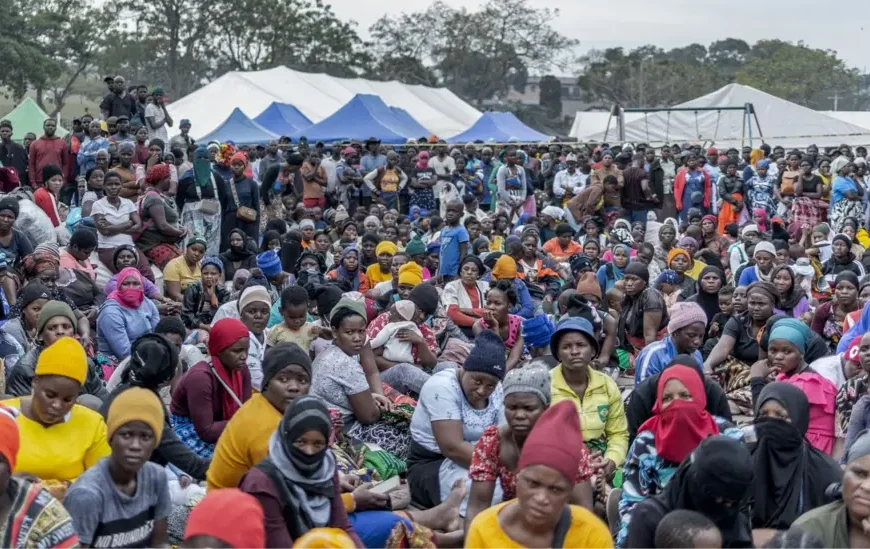
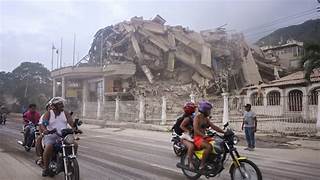
As of Sunday, the reality on the ground is critical. Entire neighborhoods in coastal cities like Macuto and Caraballeda have been flattened, with high-rise residential buildings completely collapsing. Over 300 aftershocks have continued to rock the region, forcing terrified survivors to sleep outdoors.
Logistics remain a massive hurdle for search and rescue operations. Vital transport infrastructure is suspended across the worst-hit states. Simón Bolívar International Airport—the country’s primary aviation hub in Caracas—remains closed due to collapsed ceilings, debris, and widespread power outages.
International Relief Efforts
A coordinated global effort is mobilizing to support overwhelmed local emergency crews, though damaged infrastructure is slowing the arrival of physical aid:
- Government Commitments: Nations including Brazil, the United States, El Salvador, Spain, Germany, and France have pledged immediate humanitarian assistance. Heavy logistical machinery, military planes, and helicopters are being deployed to bypass ruined roads and support urban search-and-rescue teams.
- Humanitarian Organizations: The United Nations Office for the Coordination of Humanitarian Affairs (OCHA) is coordinating the overarching response. Meanwhile, major NGOs like World Vision have activated emergency incident teams across Venezuela and Colombia to assess needs and begin distributing clean water, medical supplies, and temporary shelter to displaced families.
Can Earthquakes of This Magnitude Be Prevented?
While it is scientifically impossible to prevent the tectonic plate movements that trigger earthquakes, the massive loss of life seen in Venezuela is largely preventable through proactive urban engineering and policy:
- Seismic Retrofitting: The most effective defense is upgrading existing vulnerable infrastructure—especially hospitals, schools, and high-density housing—with flexible foundations and reinforced structural supports that sway rather than snap.
- Strict Building Codes: Enforcing rigorous, modern seismic standards for all new construction ensures buildings can absorb massive energy releases without pancaking.
- Early Warning Systems (EEW): Implementing sophisticated sensor networks along known fault lines can detect the first, faster-moving seismic waves. This sends automated alerts to mobile phones, giving the public tens of seconds to take cover before the destructive waves arrive.
- Urban Planning: Restricting high-rise developments on soft, coastal soils—which amplify the violent shaking of an earthquake—drastically reduces the risk of mass casualties.
ABT NEWS will continue to follow this developing story closely and provide updates as more details emerge from the ongoing investigation.
It pays to advertise your business, products and services on ABT NEWS www.abtnews.net. Please send your enquiries to advertise@abtnews.net or +447918790290


 By
By