
Across the globe, the political tides have decisively shifted. From Europe and the Americas to Asia and Oceania, tightening borders and shifting political consensus—driven by both right-wing and left-wing governments—have resulted in increasingly hostile environments for immigrants. Africans, tragically, have borne a disproportionate brunt of this global tightening.
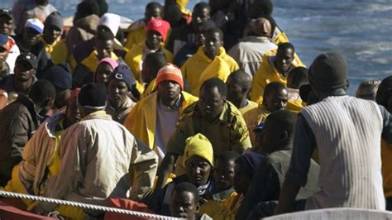
We see the heartbreaking realities every day: lives lost in the unforgiving sands of the Sahara, perilous journeys across the Mediterranean, and the deeply undignified struggles against deportation. Many resist being sent back, sometimes paying the ultimate price when force is applied by host nations. But amid this desperation to stay in a Western world that is increasingly closing its doors, a profound irony is unfolding back home.
The Great Irony: Foreigners See What Locals Miss
While thousands of Africans risk everything to escape, a massive influx of Chinese, Indian, and Lebanese entrepreneurs are quietly moving in the opposite direction. Why do they see a land of boundless opportunity where many locals see only despair?
The answer lies in perspective and strategy. Foreign entrepreneurs approach the African market differently:
- The Long View: Asian and Middle Eastern entrepreneurs often enter Africa with immense patience, willing to delay gratification for a decade or more to build sustainable wealth, whereas local pressures sometimes demand immediate returns.
- Targeting the Masses: Instead of catering only to the elite, these groups target the “bottom of the pyramid,” building massive supply chains around affordable, everyday products—turning simple goods into billion-dollar empires.
- Solving Gaps: Where a local might see a lack of infrastructure as a reason to leave, a foreign investor sees an uncontested market waiting for a solution.
Africa Has Come of Age
The Africa of today is not the Africa of the 1990s. The narrative of “brain drain” is actively being replaced by “brain gain,” as a new wave of diaspora professionals deliberately returns to build the continent. If you are facing rejection abroad, here is the reality of the continent waiting for you:
1. A Booming Tech and Startup Ecosystem
Capital is flowing into Africa at unprecedented rates. In 2025 alone, African startups raised roughly $3.9 billion across over 500 deals. Innovators aren’t just surviving; they are building global fintech, agritech, and logistics solutions from hubs in Lagos, Nairobi, and Cairo.
2. The Power of Diaspora Capital
The African diaspora sends home over $100 billion in remittances annually. This staggering figure absolutely dwarfs both traditional foreign aid and foreign direct investment. Financial experts and governments are now structuring ways to turn these survival remittances into powerful venture capital and diaspora bonds. The wealth to rebuild Africa already belongs to Africans.
3. The Highest Entrepreneurship Rate on Earth
More than 1 in 5 working-age Africans are actively starting or running a new business—the highest rate of entrepreneurial activity anywhere in the world. Furthermore, African women lead the globe in entrepreneurial involvement at 26%, contributing up to $300 billion to the continent’s GDP.
The Dignity of Returning Home
There is a profound psychological toll in fighting to stay where you are structurally unwanted. Resisting deportation to the point of physical harm or death is a tragic misdirection of incredible human resilience. The grit, determination, and immense courage it takes to cross a desert or navigate a hostile foreign immigration system is the exact entrepreneurial energy required to build an empire back home.
Governments across the continent are beginning to recognize this. Initiatives like Ghana’s “Year of Return” successfully attracted hundreds of thousands of visitors, spurring long-term relocation and direct investment. Similar movements are sweeping across Kenya, Tanzania, and Nigeria, aiming to create soft landings for returning citizens.
Africa needs its people. It needs the global perspectives, the hard-earned skills, and the undeniable resilience of its diaspora. When the outside world locks its doors, the most powerful, dignified response is not to break those doors down—it is to return home and build a house so magnificent that the rest of the world comes knocking


 By
By