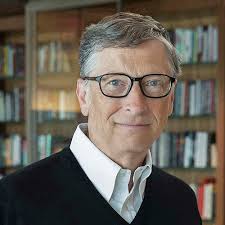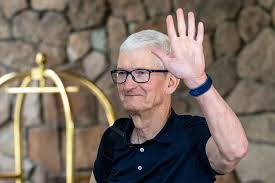

CUPERTINO, CA — In a historic changing of the guard that has sent ripples across the global technology landscape, Apple Inc. announced that Tim Cook is officially stepping down as Chief Executive Officer, effective September 1, 2026. After 15 monumental years at the helm of the world’s most valuable technology company, the 65-year-old titan will hand the reins to John Ternus, Apple’s current Senior Vice President of Hardware Engineering.
Cook is not leaving the company entirely; he will transition into the role of Executive Chairman of the Board of Directors, where he will focus on global policy, regulatory relationships, and strategic advising. But as he steps back from day-to-day operations, the tech world is pausing to reflect on a staggering trajectory that redefined corporate leadership.
Trajectory and Triumphs: Out of the Shadow of a Legend
When Tim Cook took over as CEO in August 2011, just weeks before the passing of co-founder Steve Jobs, skeptics wondered how a soft-spoken supply-chain mastermind could possibly fill the shoes of Silicon Valley’s ultimate visionary. Yet, Cook did not try to be Steve Jobs. Instead, he systematically transformed Apple from a beloved hardware manufacturer into an unbeatable ecosystem of devices and services.
Under Cook’s stewardship, Apple’s market valuation skyrocketed from roughly $350 billion in 2011 to a jaw-dropping $4.1 trillion today.
His achievements extended far beyond the balance sheet. Cook pushed Apple into the health and wearables sector, turning the Apple Watch and AirPods into massive, industry-dominating businesses. He scaled Apple’s global manufacturing and distribution, significantly expanding its footprint in critical markets like China and India. Furthermore, he built Apple’s Services division (Apple Music, iCloud, App Store) into an economic juggernaut that generates more revenue than most Fortune 500 companies combined.
The Warren Buffett Verdict: $35 Billion to $185 Billion
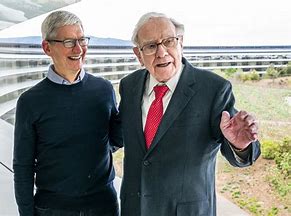
Perhaps the most telling tribute to Cook’s leadership came this past weekend at the Berkshire Hathaway annual general meeting in Omaha. Legendary investor Warren Buffett gave a heartfelt send-off to Cook, who was seated in the audience.
Reflecting on Berkshire’s decision to invest approximately $35 billion in Apple between 2016 and 2018, Buffett noted that the investment has since ballooned to roughly $185 billion pre-tax.
“Apple would not be the Apple of today without Tim Cook. What he has done with Apple could not be done by anybody I’ve known,” Buffett told shareholders. In classic Buffett fashion, he joked about how Berkshire’s preferred way of operating was letting Apple’s management do the heavy lifting: “And I didn’t have to do a damn thing.” Buffett then invited Cook to stand and “take a bow,” to a roaring wave of cheers and applause from the investors.
Why He Is Leaving and Prospects for the Future
At 65, Cook’s departure from the CEO role aligns with a thoughtful, long-term succession plan. Having guided Apple through an era of unprecedented operational scaling and services expansion, Cook recognizes that the company is entering a new phase, one that requires deep hardware engineering and a return to pure technological innovation.
By passing the baton to John Ternus, a 25-year Apple veteran with deep hardware roots, Cook is setting the stage for Apple’s next chapter. Cook will spend the summer working closely with Ternus to ensure a smooth transition before dedicating his future efforts to navigating Apple’s increasingly complex geopolitical and regulatory battles as Executive Chairman.
Unfinished Business: AI and the “Face-Worn” Future
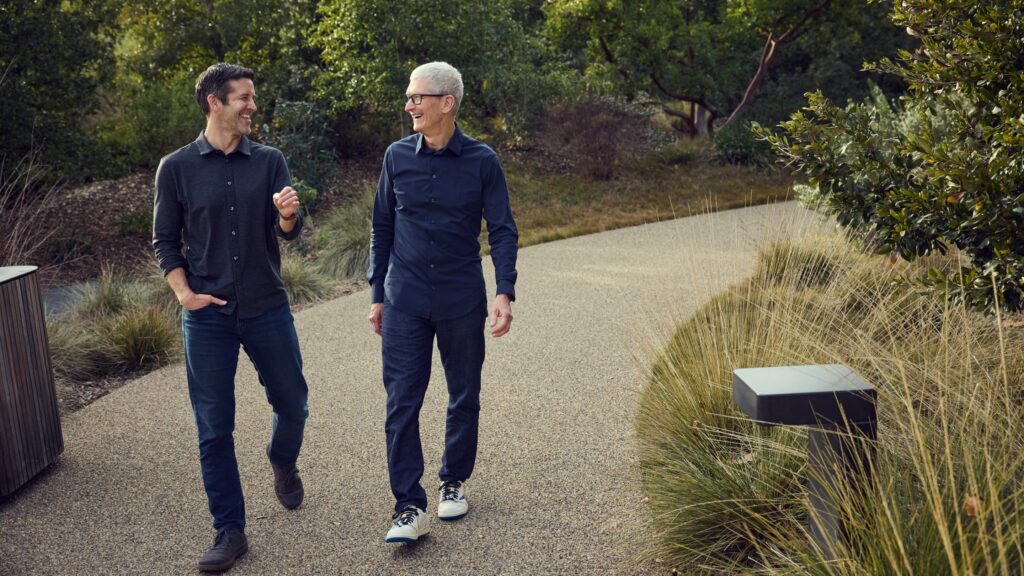
Despite his unparalleled successes, Cook leaves behind several unfinished businesses for Ternus to solve.
Chief among them is Apple’s position in the Artificial Intelligence race. While rivals like Microsoft and Google sprinted ahead with generative AI, Apple’s response was notably slower and quieter. Bridging this perceived lag in the AI ecosystem will be Ternus’s immediate trial by fire.
Additionally, Cook leaves behind the challenge of spatial computing. While he introduced the world to the Apple Vision Pro, the challenge of creating a mainstream, perfected “face-worn device” that consumers can wear effortlessly remains an unsolved conundrum.
What Apple and the Tech World Will Miss
Apple will undoubtedly miss Cook’s geopolitical diplomacy and unparalleled operational genius. In an era marked by supply chain crises, global pandemics, and trade wars, Cook’s steady hand navigated Apple through storms that would have capsized lesser companies.
The broader tech world will miss a unique kind of leader. Cook proved that a tech CEO did not need to be a volatile, table-pounding visionary to change the world. He replaced the archetype of the eccentric founder with a blueprint of steady, pragmatic, and morally grounded leadership—championing privacy as a fundamental human right and pushing for environmental sustainability long before it was standard corporate practice.
As Tim Cook prepares to take his final bow as CEO this September, he leaves behind a company that is vastly wealthier, deeply entrenched in the daily lives of billions, and shaped inextricably by his quiet, resolute brilliance.
For more breaking news and in-depth analysis of the tech sector, keep it locked on ABT NEWS at www.abtnews.net


 By
By