

ABUJA, NIGERIA — ABT NEWS (www.abtnews.net)
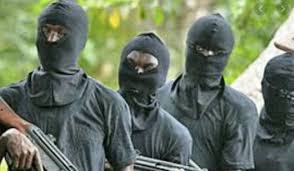
A fresh wave of grief, outrage, and national alarm has gripped the whole of Nigeria following the gruesome killing of an Abuja-based professional and commercial farmer, Ibrahim Kadafa (popularly known as Ibro), who was abducted on his farm along the notorious Kaduna-Abuja highway and murdered despite his family fulfilling exorbitant ransom demands.
On October 28, 2026, heavily armed bandits stormed Kadafa’s soybean farm near Alheri Camp at Kilometre 30 along the Kaduna-Abuja corridor. Kadafa, who worked in Abuja, where a LinkedIn profile identifies an individual of the same name and city as an Analyst with the International Committee of the Red Cross (ICRC) Nigeria, though outlets have not officially verified his employer, had travelled to supervise and harvest his soybean crop. He was abducted alongside his friend, Mustapha Shelpidi, whose whereabouts still remain tragically unknown.
Two Weeks of Agony Ends in Betrayal
According to family disclosures and media reports, the abductors initially demanded an outrageous ₦100 million ransom before reducing the figure to ₦80 million. After two agonising weeks of desperate negotiations and frantic fundraising, Kadafa’s family scraped together and delivered ₦56 million in cash, alongside three brand-new Samsung mobile phones and ₦20,000 worth of recharge cards, believing their loved one would thereafter be released.
Instead, on Wednesday, November 11, 2026, the terrorists handed the devastated family Ibrahim’s lifeless body.
Family sources revealed that Ibrahim had sustained a gunshot wound to his leg while attempting to escape during the initial raid on October 28. Throughout his 14 days in captivity in the forest, the bandits denied him medical treatment, leaving the wound to fester until he succumbed to fatal complications, even as they continued negotiating millions of naira from his unsuspecting relatives.
How Banditry and Farmer Kidnappings Are Fueling Acute Hunger and Poverty
The murder of Ibrahim Kadafa is not an isolated tragedy; it is a grim symbol of an existential war being waged against Nigeria’s agricultural backbone. When educated professionals and dedicated investors like Kadafa are slaughtered for daring to cultivate food, the ripple effects devastate every Nigerian household:
- Mass Abandonment of Farmlands: Across North-West and North-Central Nigeria, and even within the peri-urban Area Councils of the Federal Capital Territory (Bwari, Kuje, and Abaji), terrorists routinely tax, abduct, or execute farmers. Empirical research published in late 2026 confirms a direct, statistically overwhelming link between banditry/kidnapping and collapsing agricultural output.
- Record-Breaking Food Insecurity: According to the World Food Programme (WFP) and the Food and Agriculture Organization (FAO), between 34.8 million and 36.2 million Nigerians are facing acute food insecurity in 2026, with over 5.4 million children suffering from acute malnutrition.
- Ransom-Driven Generational Poverty: Kidnapping for ransom functions as a brutal wealth-extraction machine. Families sell off land, livestock, life savings, and business capital to pay billions of naira in ransoms—only to be left destitute, traumatised, and, as in Kadafa’s case, mourning a corpse.
Why Is the Government Unable to Protect Nigerians?
Despite repeated assurances from federal authorities and claims of improved security along the Abuja-Kaduna expressway, citizens continue to be kidnapped in broad daylight just kilometres from the nation’s seat of power. Security analysts point to several systemic failures:
- Overstretched and Under-Resourced Security Forces: Nigeria’s military and police are fighting simultaneous battles across all six geopolitical zones, from Boko Haram/ISWAP in the North-East and bandits in the North-West, to separatist violence in the South-East and kidnapping syndicates in the South-West.
- Ungoverned Forests and Intelligence Gaps: Vast forest reserves stretching across Kaduna, Niger, Zamfara, Katsina, and the FCT serve as safe havens for armed gangs who exploit poor surveillance, delayed response times, and compromised local informant networks.
- A Broken, Over-Centralised Policing Architecture: Relying on a single federal police command controlled from Abuja to police over 200 million people across 923,768 square kilometres leaves rural communities and highway corridors dangerously exposed.
- Impunity and Weak Deterrence: Because masterminds and ransom collectors rarely face swift public prosecution, kidnapping remains a low-risk, high-reward enterprise.
Is Nigeria Too Big to Safely Protect?
Nigeria is not too big to protect. Countries with far larger landmasses and populations, such as the United States, India, and Brazil, maintain law and order across vast territories.
Nigeria’s problem is not its size; it is its centralised governance structure and lack of institutional accountability.
Attempting to secure remote farming communities like Alheri Camp through reactive deployments from Abuja guarantees failure. Security must be local, intelligence-driven, and technologically powered.
Urgent Solutions to End the Bloodshed and Save Nigeria’s Food Supply
To stop the slaughter of farmers and rescue Nigerians from starvation, authorities must move beyond condolences and implement decisive reforms:
- Immediate Establishment of State and Community Policing: Constitutional reforms to enable properly regulated, well-funded state and local police forces who understand local terrain, languages, and criminal networks.
- 24/7 Aerial Surveillance and Drone Dominance: Deploying armed reconnaissance drones, satellite tracking, and thermal imaging across forest belts and major agricultural corridors like the Kaduna-Abuja highway to detect and neutralise bandit camps before attacks occur.
- Dedicated Agro-Rangers and Farm Protection Units: Strengthening and expanding armed Agro-Ranger squads to provide permanent perimeter security for commercial and smallholder farming clusters during planting and harvest seasons.
- Aggressive Financial Tracking of Ransom Networks: Enforcing strict telecom and banking surveillance to trace mobile devices, recharge vouchers, and illicit financial flows used by kidnapping syndicates.
- Specialised Fast-Track Terrorism Courts: Ensuring arrested bandits, informants, and ransom negotiators face rapid prosecution and maximum penalties to dismantle the culture of impunity.
Rest in Peace, Ibrahim Kadafa. His tragic death must serve as a grim turning point, not another statistic forgotten before the next news cycle. If Nigeria cannot protect the hands that feed it, the entire nation stands on the brink of catastrophic collapse.
Read more breaking news and critical national reports at ABT NEWS www.abtnews.net .



 By