
By ABT News Agribusiness Desk
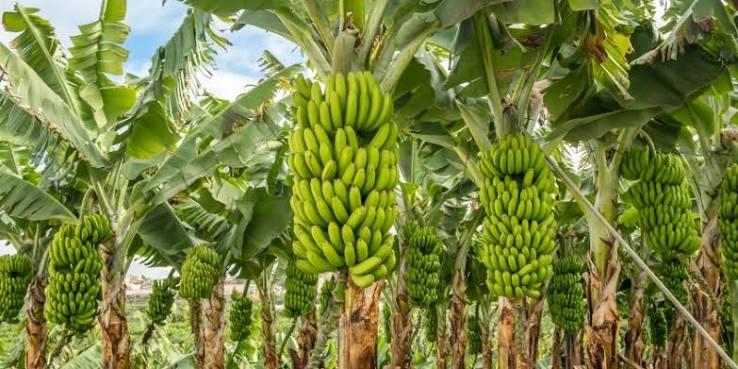
Across Africa, a quiet agricultural revolution is underway. While tech startups and real estate often grab headlines, smart investors and ambitious agripreneurs are looking downward, straight into the rich, dark soil to unearth a powerhouse cash crop: the banana.
Long viewed merely as a backyard subsistence food, banana and plantain farming has rapidly transformed into a high-stakes, multi-billion-dollar commercial engine. From East Africa’s highland farms to West Africa’s lush green belts, smart farmers are turning acres of land into steady streams of mega wealth. With surging domestic demand, lucrative regional trade networks, and export corridors reaching into Europe, there has never been a more profitable time to enter the banana value chain.
If you want to transition from small-scale planting to building a true agricultural empire, here is your definitive, masterclass blueprint to dominating the banana agribusiness.
1. Choosing Your Gold: Best Banana Varieties
Success in commercial agribusiness begins with market alignment. You cannot plant just any variety and expect top dollar. To maximize returns, choose cultivars tailored to market demand and climate resilience:
- Cavendish: The global heavyweight. Boasting exceptionally high market demand locally and internationally, it is the go-to choice for supermarkets, urban centers, and export markets.
- Giant Williams: A powerhouse for commercial farmers. It is celebrated for being high-yielding and surprisingly drought-resistant, making it resilient against unpredictable weather patterns.
- Plantain: An absolute staple across African kitchens. Plantains guarantee rapid profitability in local markets due to their massive, unyielding cultural and culinary consumption.
2. Soil and Land Preparation: Laying the Foundation
Mega wealth is never built on poor foundations. Bananas are heavy feeders that require proper physical and chemical soil properties to thrive.
- The Ideal Environment: Ensure your land features deep, well-drained loamy soil with an optimal pH range of 5.5 to 7.5. Avoid waterlogged or overly sandy soils.
- Digging for Success: Prepare deep planting pits measuring 60 cm x 60 cm x 60 cm. Mix the excavated topsoil thoroughly with rich organic manure to give your young suckers or tissue-culture seedlings an explosive start.
3. Planting and Water Management: Precision Agriculture
Crowded plants stunt growth, while dry spells destroy yields. Precision is key to commercial scaling.
- Optimal Spacing: Maintain a strict spacing of 3m x 3m. This ensures every plant gets maximum sunlight, adequate root space, and unhindered air circulation.
- Water Security: Bananas are roughly 75% water; they despise prolonged thirst. Implement regular irrigation schedules, particularly during critical dry seasons, to maintain continuous fruit development.
4. Fertilization and Mulching: Feeding the Giant
To keep your plantation producing heavy, export-grade bunches year-round, you must constantly feed the soil.
- Organic Feeding: Apply 10–15 kg of organic manure per plant every 3 months to replenish macronutrients.
- The Magic of Mulching: Use heavy organic mulching around the base of the mats. Mulch acts as a natural blanket that retains vital soil moisture during dry spells and completely smothers intrusive weeds.
5. Pest and Disease Control: Protecting Your Investment
An unattended disease outbreak can wipe out an entire season’s profits. Vigilance and proactive management are non-negotiable.
- Banana Weevil: These destructive pests tunnel into corms, weakening the plant. Combat them using eco-friendly, neem-based organic pesticides and clean planting materials.
- Panama Disease: A notorious fungal threat. Prevent it preemptively by planting certified resistant varieties and practicing strict field hygiene (disinfecting tools and restricting unauthorized movement into the plot).
6. Harvesting and Post-Harvest Handling: Cashing In
Patience pays off quickly in banana farming.
- Timing the Harvest: Depending on the variety and management style, bananas mature rapidly in just 8 to 9 months. Harvest them when the fruit is fully developed and the angular ridges of the fingers begin to smooth out, or when the very first fingers start turning a pale yellow.
- Post-Harvest Care: Handle bunches with extreme care to avoid bruising. Store harvested yields in cool, shaded, and well-ventilated structures to minimize respiration heat and prevent massive ripening losses before they reach buyers.
Conclusion: Your Wealth Journey Starts Today
Banana farming is far more than traditional tilling, it is a lucrative, cash-flow-positive agribusiness model that, when executed with discipline and modern practices, can liberate generations. With low comparative startup barriers and perennial yields from a single planting cycle, the path to financial independence is quite literally growing right under our feet.
Stay ahead of the curve, build your empire, and keep it locked right here on ABT NEWS (www.abtnews.net) for more game-changing agribusiness insights!
ABT NEWS Platform is absolutely free for all to enjoy. However please support us by grabbing a copy of the eBook above. A portion of the sales goes towards supporting girls to acquire AI skills. Donations towards that are also possible via PayPal using our email: info@abtnews.net



 By
By