
Exclusive Report by ABT NEWS | www.abtnews.net
For decades, the vibrant, chaotic hustle of Onitsha Main Market and Aba’s Ariaria International Market served as the beating heart of West African commerce. The quintessential Igbo trader was the undisputed king of merchandise, traveling to Guangzhou, Mumbai, or Dubai to import items that were then distributed across the continent.
But an alarming shift is underway. The middleman is being aggressively erased.
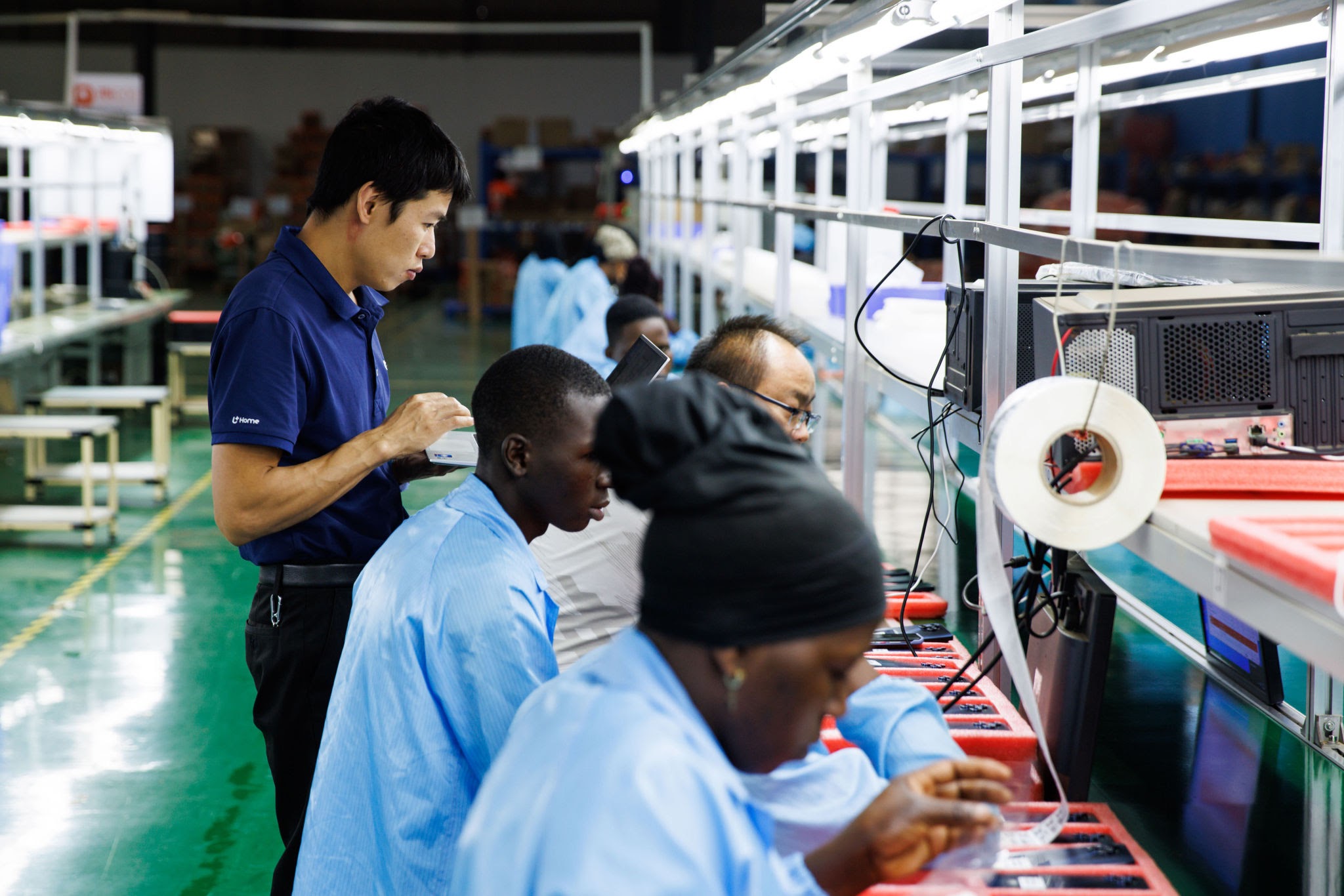
Foreign nationals, particularly from China, India, and Lebanon, have stormed the African continent in unprecedented numbers. Instead of exporting goods to African merchants overseas, they are bypassing the import-export chain entirely. They are setting up massive production and manufacturing factories right in our backyards, selling directly to the continent, and effectively pulling the rug out from under local importers.
The Great Disruption
As one local businessman chillingly put it:
“Everything we sell in Mainmarket or Ariaria Market can be produced in Nigeria. My Chinese friend told me last week that the population of the Chinese in Nigeria doubled in the last one year alone. They are taking over commerce and manufacturing!”
Today, Chinese investment in Nigeria alone is estimated to be over $20 billion, spanning from heavy manufacturing to fintech. Historically, indigenous traders fought hard to break the early import monopolies held by Lebanese and Indian merchants by traveling directly to the source. Now, those international players have evolved, setting up shop locally while the indigenous trader remains caught in the old import model.
From Kingmaker to Struggling Distributor
Consider the heartbreaking reality of a prominent trader in Onitsha. For years, he was a massive importer, bringing in about 20 containers of shovels and wheelbarrows every single month. He controlled a vast, lucrative distribution network spanning almost every state in Nigeria and into neighboring countries.
Then, a Chinese woman arrived and built a factory producing those exact same shovels and wheelbarrows just across the bridge in Asaba.
Today, that once-powerful Igbo importer has been reduced to just one of her distributors, struggling to push a single truckload a month. His livelihood—like that of thousands of others—has been crippled.
Furthermore, the retail landscape is shifting. Modern mega-markets and corporate supermarket chains are rapidly expanding, slowly rendering the traditional clusters of open-market lockup shops obsolete. What does tomorrow look like for the average trader?
The Energy Paradox: Why Do Foreigners Succeed Where Locals Fail?
When asked why indigenous businesses avoid manufacturing, the default African excuse is always the same: Energy insufficiency and terrible infrastructure.
Yet, Chinese, Lebanese, and Indian industrialists are successfully setting up thriving factories in this exact same harsh environment. How do they do it?
- Cheap Foreign Capital: While African traders face crippling, double-digit bank interest rates, foreign manufacturers often access cheap, single-digit loans backed by their home governments to expand overseas.
- Captive Power Solutions: Foreign investors don’t rely on the unstable national grid. They factor in heavy-duty, off-grid power plants (gas or solar) into their initial capital expenditure, ensuring zero downtime.
- Vertical Integration: They control the entire supply chain, from sourcing raw materials to final distribution, allowing them to absorb local infrastructural shocks that would easily bankrupt a small indigenous trader.
How Can African Countries Protect Their Own?
If action is not taken, indigenous merchants face total economic oblivion. African governments and business leaders must adopt aggressive survival strategies to protect their citizens:
- Transition from Trade to Production: Traders must evolve. Instead of competing as individual importers, indigenous merchants must pool their capital together to build their own local manufacturing hubs.
- Enforce Strict Trade Boundaries: Governments must reserve the micro-distribution and retail tiers exclusively for indigenous citizens. Foreigners who manufacture locally should be legally barred from entering the retail space to prevent monopolies.
- Accessible Credit: Central banks must create specialized, low-interest industrial funds strictly accessible to local traders looking to transition from importing to manufacturing.
- Industrial Power Infrastructure: Governments must establish specialized “Free Trade Zones” for local businesses, providing subsidized, uninterrupted electricity specifically aimed at incubating indigenous manufacturing.
The warning bells are ringing louder than ever. The future of commerce is no longer in importing containers, it is in local production. If indigenous traders do not adapt quickly, the markets they built will soon belong to someone else.


 By
By