
An ABT NEWS Investigative Report
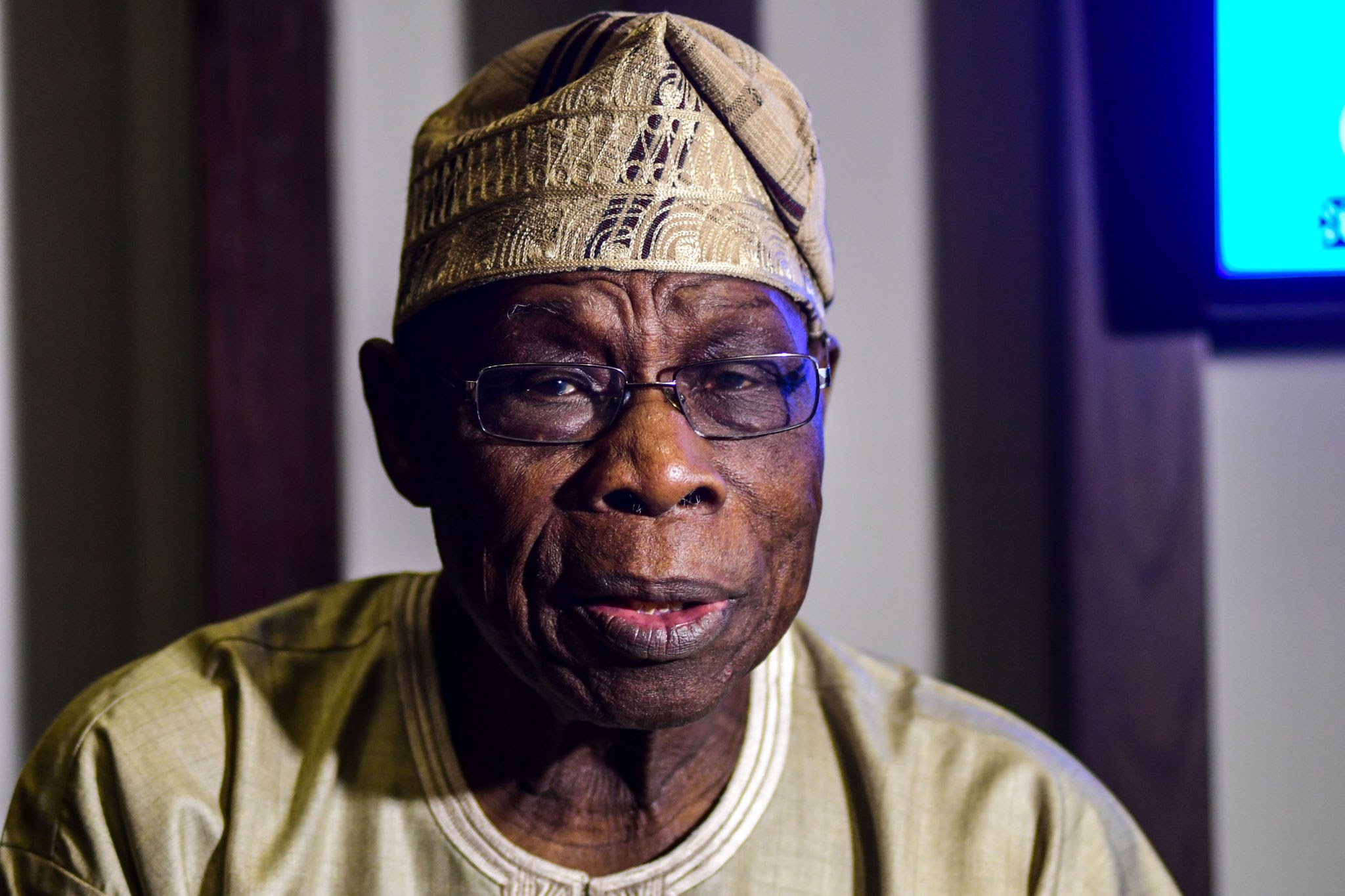
Two decades after the defining political drama of Nigeria’s Fourth Republic, former President Olusegun Obasanjo maintains a defiant narrative: “If I wanted a third term, I would have prayed for it, and God would have given me.” Yet, beneath the official denials lies a well-documented trail of clandestine meetings, massive financial inducements, and brutal political maneuvering designed to alter Section 137 of the 1999 Constitution and extend his stay in Aso Rock beyond May 2007.
Through insider testimonies, parliamentary records, and historical analysis, this investigation examines the architecture of the infamous “Third Term Agenda”—and the critical convergence of forces that scuttled it.
The Verdict: The Illusion of Denials vs. Insider Reality
While Obasanjo consistently frames the tenure elongation scheme as the creation of overzealous supporters or an opposition smear campaign, direct testimonies from the highest echelons of his administration paint a starkly different picture:
- The Presidential Adviser’s Confession: Professor Jerry Gana, former Special Adviser to the President on Political Affairs, publicly confirmed that Obasanjo personally insisted on pursuing the third term. Gana revealed that when advisors proposed a single six-year tenure at the National Political Reform Conference (NPRC), the President rejected it because he wanted tenure elongation “his own way,” ignoring repeated warnings that the gambit could fracture the nation.
- The Legislative Bribery Pipeline: Former Senate President Ken Nnamani and key members of the 5th Senate confirmed that lawmakers were offered automatic re-election tickets by the ruling Peoples Democratic Party (PDP), alongside illicit financial inducements—famously distributed in “Ghana-Must-Go” bags and reportedly reaching up to ₦50 million per legislator—to vote in favor of the constitutional amendment bill.
- The Enforcers: The constitutional modification project was systematically guided through the Joint Constitution Review Committee (JCRC) by loyalists, notably Deputy Senate President Ibrahim Mantu and Deputy Speaker Austin Okpara, under the direct protection and political patronage of the presidency.
The Four Pillars of Failure: Why the Agenda Collapsed
The defeat of the Constitution Amendment Bill was not an accident; it was the result of a coordinated defense of constitutional democracy by four distinct estates.
| Critical Factor | Key Actors | Mechanism of Defeat |
| 1. Legislative Transparency | Senate President Ken Nnamani, “2007 Movement” Senators | Enforced live television broadcast of debates and mandatory individual voice voting, stripping lawmakers of secrecy. |
| 2. Executive Fracture | Vice President Atiku Abubakar, Anti-3rd Term Governors | Rallying opposition within the presidency and funding/coordinating dissenting lawmakers against Obasanjo’s directives. |
| 3. Media & Civil Society | Independent Nigerian Press, Pro-Democracy NGOs, Labor Unions | Mounted aggressive editorial campaigns, exposed parliamentary bribery, and sustained public agitation. |
| 4. Diplomatic Isolation | United States Government, UK Parliament | Issued public warnings against altering presidential term limits and highlighted the risk to regional stability. |
1. The Parliamentary Ambush: Transparency as a Weapon
The absolute turning point occurred inside the legislative chambers. Recognizing that secrecy would favor the presidency’s financial muscle, Senate President Ken Nnamani made a tactical decision that sealed the bill’s fate: he opened the doors to live television cameras.
By broadcasting the proceedings nationwide and enforcing an open, individual voice-vote system, lawmakers were forced to choose between the presidency’s inducements and the immediate, televised wrath of their home constituencies. Simultaneously, an internal bipartisan coalition known as the “2007 Movement”—coordinated by Senators Uche Chukwumerije, Ben Obi, Olorunnimbe Mamora, Badamasi Maccido, and Saidu Dansadau—acted as a disciplined block that actively lobbied colleagues to reject the bill.
2. The Civil War Inside Aso Rock
Obasanjo’s greatest political vulnerability was the open rebellion of his own Vice President, Atiku Abubakar. Sensing that a constitutional amendment would permanently eliminate his own presidential ambitions, Atiku broke ranks and became the political anchor for the opposition.
Working alongside powerful state governors who resisted central authoritarianism, Atiku provided the political shelter, coordination, and counter-resources needed to sustain the rebellion within the National Assembly. This internal war crippled the ruling party’s ability to present a unified front.
3. An Uncompromising Press and Civil Society
Academic assessments of the 2006 crisis confirm that Nigeria’s independent mass media—particularly privately owned print and broadcast outlets—abandoned passive reporting to adopt an aggressive, watchdog stance against the agenda. The press set the public agenda, relentlessly publishing the names of legislators leaning toward tenure elongation and treating the plot as a civilian coup d’état. Supported by labor unions, student associations, and human rights organizations, civil society created a hostile national environment that made tenure elongation politically radioactive.
4. International Geopolitical Pressure
While domestic resistance formed the front line, international allies closed the net. Western democracies watched with alarm as West Africa’s anchor state flirted with autocracy. The Third Term Agenda became a subject of formal debate in the British Parliament and drew sharp diplomatic rebukes from Washington. The message from the international community was unequivocal: tenure elongation would be viewed as a legitimate threat to democratic governance in Africa, risking severe diplomatic and economic isolation.
The Aftermath: The May 16 Day of Reckoning
On May 16, 2006, the political drama reached its climax. When Senate President Ken Nnamani put the Constitution Amendment Bill to a voice vote, the “Nays” echoed through the chamber with crushing unanimity. The bill was formally killed, terminating the third term project forever.
The immediate fallout was ruthless. Obasanjo unleashed what observers termed “slash and burn” politics, utilizing executive instruments and party machinery to purge opponents. Lawmakers who voted against the bill—including Ken Nnamani himself—were systematically marked out and denied PDP re-election tickets for the 2007 general elections.
Yet, despite the political casualties suffered by individual legislators, the truncation of the Third Term Agenda remains one of the most vital victories in Nigerian contemporary history. It established the supremacy of the 1999 Constitution over individual ambition and guaranteed the first peaceful, civilian-to-civilian transfer of power in Nigeria’s Fourth Republic.
To gain a deeper understanding of the parliamentary strategy used to stop the constitutional amendment bill, you can watch VIDEO: How We Killed Obasanjo’s 3rd Term Agenda – Senator Ken Nnamani Narrates The True Story where the former Senate President details the exact legislative measures taken on the Senate floor. This firsthand testimony provides essential context on how parliamentary procedure and live broadcasting were weaponized to defend constitutional limits against executive pressure.



 By
By