

By the Historical Fashion Desk
If you look in the window of any modern designer shoe store, you will see high heels marketed almost exclusively as the ultimate symbol of femininity. But history tells a very different and much more militant story. Long before they were a staple of women’s fashion, high heels were standard-issue military gear for men.
Here is the fascinating story of how the high heel marched from the battlefields of ancient Persia to the royal courts of Europe, before stepping into modern women’s wardrobes.
The Tactical Advantage: 10th-Century Persia
High heels did not originate as a fashion statement; they were a piece of highly functional tactical equipment.
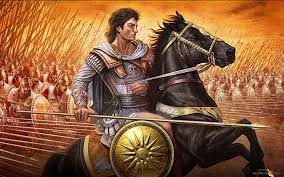
Around the 10th century, Persian cavalry soldiers became the first to wear raised heels. The design was purely practical: the heel helped riders keep their feet securely locked in their stirrups. This vital stability allowed soldiers to stand up in the saddle and accurately shoot arrows while riding on horseback at high speeds.
“High heels began as functional military footwear for men, designed for warfare rather than the catwalk.”
The Royal Court: Status and Red Soles
As Persian culture and trade routes influenced Europe, aristocratic men quickly adopted the heeled style. However, in Europe, the heel transitioned from a practical military tool to a bold symbol of prestige and nobility.
By the 17th century, European kings and wealthy noblemen were wearing elaborate high heels strictly to display their social status. Taller heels became heavily associated with immense wealth because they sent a clear message to the public: the wearer was entirely exempt from gruelling manual labor.
King Louis XIV of France took this trend to the extreme. The famous monarch heavily favored red-heeled shoes, turning them into an exclusive status symbol by reserving the style solely for members of his royal court. If you were wearing red heels in 17th-century France, you were in the king’s inner circle.
As highlighted in the reference file 1676663.jpg, these early iterations of the high heel were profound symbols of military power, robust masculinity, and high social status. King Louis XIV can even be seen in historical portraits proudly modeling his commanding, high-heeled footwear.
The Great Fashion Shift
So, how did the high heel transition from the feet of male aristocrats to women’s fashion? It was a gradual evolution born from borrowing styles.
Women began adopting high heels as European fashion trends evolved, initially borrowing the shoes precisely because they were considered masculine. By wearing heels, women were incorporating elements of male military prestige into their own wardrobes.
The ultimate tipping point occurred during the late 18th century:
- The Enlightenment: A cultural and philosophical movement that dramatically shifted men’s fashion.
- The Male Wardrobe: Men abandoned flashy, elevated footwear in favor of simpler, highly practical clothing.
- The Female Wardrobe: Women’s fashion retained the decorative, elevated heel.
High Heels: Then vs. Now
| Era | Primary Wearers | Original Purpose |
| 10th Century | Persian Cavalry (Men) | Securing feet in stirrups for horseback archery. |
| 17th Century | European Aristocrats (Men) | Displaying wealth, nobility, and exemption from manual labor. |
| Late 18th Century | Women | Decorative fashion, retained while men’s styles shifted to practicality. |
| Modern Day | Primarily Women | A ubiquitous symbol of contemporary femininity and style. |
Today, the high heel is associated almost entirely with women’s fashion. Yet, every stiletto and pump shares a lineage with the functional, combat-ready footwear of 10th-century cavalrymen—a reminder that in the world of fashion, nothing is ever quite as it seems.

10% discounts available with this link: https://t40perfumes.com/discount/ABTNEWS

 By
By