
The sudden and tragic death of Reverend Benjamin Okwy Madu in Massachusetts has sent shockwaves through the global Nigerian community. Following reports suggesting the beloved priest may have taken his own life out of despair over his impending forced return to Nigeria, an outpouring of grief, shock, and profound dismay has flooded the comments sections of ABT News and social media platforms worldwide.
As Nigerians at home and abroad process this heartbreaking loss, the tragedy has sparked an urgent, overdue conversation about two critical issues: the silent mental health crisis within the diaspora, and the overwhelming, often fatal stigma and fear associated with returning home.
A Community in Dismay: “Check on Your Loved Ones”
Analyzing the hundreds of comments left by ABT News readers this past week, a unified theme emerges: a collective heartbreak mixed with a desperate plea for awareness.
Many readers expressed utter disbelief that a man who brought so much joy and spiritual comfort to his American parishioners was privately fighting such a dark battle. “If a priest, someone we run to for prayers and counseling, can feel this isolated and overwhelmed, what about the regular person?” one reader commented.
The pressure to succeed abroad is immense. For many Nigerians in the diaspora, the expectation to be the financial pillar for extended family back home, coupled with the cultural shock, immigration hurdles, and the isolation of living in a foreign land, creates a breeding ground for depression and anxiety. Mental illness is prevalent, yet it remains heavily stigmatized in our communities.
The consensus among our readers is clear: We must actively look out for our loved ones abroad. A simple phone call, a listening ear without judgment, or creating a safe space for them to express their vulnerabilities without being deemed “weak” or “unfaithful” can make the difference between life and death.
The Fatal Dangers of Resisting Deportation
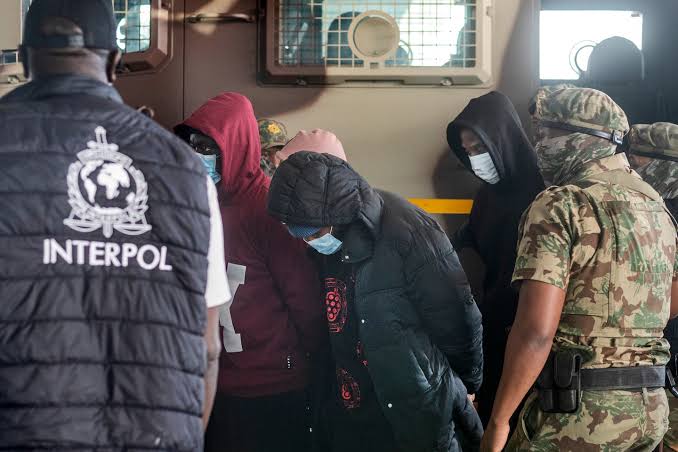
Father Ben’s tragedy also highlights the extreme dread some Nigerians feel when faced with the prospect of being sent back. This fear is sometimes so absolute that individuals go to unimaginable lengths to resist deportation—a resistance that has historically ended in violence and death.
A review of historical cases reveals a grim pattern of Nigerians who lost their lives during scuffles with foreign police and immigration officials while resisting forced removal:
- Samson Chukwu (Switzerland, 2001): The 27-year-old asylum seeker died of positional asphyxia after being held face down and handcuffed by anti-terror police during a deportation attempt. Institute of Race Relations
- Marcus Omofuma (Austria, 1999): The 25-year-old died of suffocation on a flight to Bulgaria after officers bound his chest, sealed his mouth, and partially sealed his nostrils with tape to stop him from resisting. Institute of Race Relations
- Semira Adamu (Belgium, 1998): A 20-year-old woman fleeing a forced marriage died after Belgian police pushed her face into a pillow for several minutes to restrain her on a flight. Institute of Race Relations
- Bolante Idowu Alo (Canada, 2018): A 49-year-old man who had built a life in Calgary died following a physical altercation with Canadian border officials on the tarmac. He had pleaded in hearings that returning him would be a “death sentence.”
- Hainichen Incident (Germany, 2023): Just last year, a 33-year-old Nigerian man jumped to his death from a fifth-floor balcony to avoid being picked up by police for deportation to the Netherlands.
Fighting heavily armed and legally protected immigration forces in foreign lands is a battle that cannot be won with physical resistance. It only compounds tragedy.
East or West, Home is Still the Best
The profound sorrow surrounding Father Ben’s passing must serve as a turning point in how we view “coming back.”
To our brothers and sisters in the diaspora: when it is time to return to Africa—whether by choice or by circumstance—do not let fear consume you. The negative, sensationalized stories plastered across social media about Nigeria do not paint the full picture of the opportunities that await.
Murtala Muhammed International Airport, Lagos. Returning home should be viewed as a new beginning, not a failure.. Source: WHO | Regional Office for Africa
Do not view returning home as a failure. Instead, hope for the best. You are returning with something invaluable: years of international experience, advanced skills, broadened perspectives, and technical knowledge that is desperately needed here. You are uniquely and powerfully placed to use these assets to create a better life for yourself and to help build the nation.
Many returnees have found greater luck, deeper fulfillment, and immense wealth by bridging the gap between foreign innovation and local markets in sectors like technology, agriculture, and business.
Let us honor the memory of those we have lost by changing the narrative. Look out for one another’s mental well-being. And remember always: East or West, North or South, home is still the best!

There are only a few slots left. Interested? please reach out to info@iatafrica.com or +447918790290


 By
By