
IBADAN, NIGERIA — In a strategic bid to reclaim its position on the global agricultural stage, Nigeria has officially launched a comprehensive coffee revival plan. The initiative is designed to breathe new life into the country’s long-dormant coffee sector, with the dual aim of boosting non-oil exports and generating widespread rural employment.
With the global demand for specialty coffee on the rise, economic projections indicate that a revitalized Nigerian coffee industry could generate upwards of $2 billion annually.
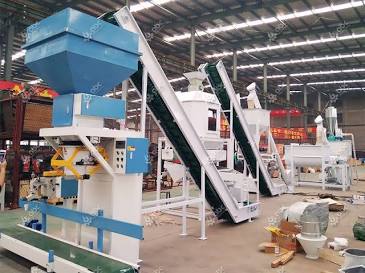
The ambitious roadmap was unveiled during the recent inauguration of the Nigeria Coffee Revival Initiative (NCRI) steering committee in Ibadan. The plan focuses heavily on rehabilitating aging farms, introducing improved, disease-resistant seedlings, and building modern processing infrastructure to ensure the final product meets stringent international standards.
Speaking at the inauguration, Nigeria’s Minister of Agriculture and Food Security, Abubakar Kyari—represented by the Ministry’s Oyo State Coordinator, Samson Adetunji—framed the revival as an urgent socio-economic intervention.
“The revitalization of Nigeria’s coffee industry is not just a nostalgic pursuit of old agricultural glories,” Kyari said. “It is a strategic, non-negotiable imperative for sustainable economic growth, aggressive export development, and climate resilience.”
Kyari emphasized that Nigeria must pivot away from the historical practice of exporting raw beans, advocating instead for local value addition. He also noted that creating a transparent, traceable supply chain is vital for the country to meet the European Union Deforestation Regulation (EUDR) standards, a prerequisite for accessing premium international markets.
For decades, the subsector has suffered from severe underinvestment. Adeola Adegoke, President of the Cocoa and Coffee Farmers Alliance Association of Africa and the National Coordinator for the NCRI, highlighted the struggles farmers have endured, including aging tree stocks, volatile pricing, a lack of extension services, and poor market access.
“What we are building is an institutional framework that gives farmers a voice and a pathway from farm to global markets,” Adegoke stated. “If successful, Nigeria’s coffee revival could transform the country’s agricultural landscape and position it as a major player in the global coffee market.”
To ensure the technical viability of the project, the Cocoa Research Institute of Nigeria (CRIN) is spearheading the research and agronomic backbone of the revival. CRIN has already established specialized nurseries to regenerate coffee trees and is actively rolling out hands-on training programs for smallholder farmers.
The initiative has also catalyzed major public-private partnerships under the broader Nigeria Coffee Revolution Project. Currently, CRIN is collaborating with JR Farms to distribute 30 million high-yield Robusta and Arabica seedlings across 18 local government areas in Cross River State. Meanwhile, neighboring Ondo State is launching a 1,000-hectare commercial coffee project to drive up regional production.
By connecting farmers directly with fair-price buyers and modernizing the value chain, the Federal Government hopes this coffee renaissance will provide a much-needed buffer against oil dependency and create a sustainable, wealth-generating avenue for Nigeria’s agricultural workforce.
For more on business, agriculture, and the economy, stay tuned to ABT NEWS at www.abtnews.net.
It pays well to advertise on ABT NEWS www.abtnews.net. Please send all advertising enquiries to advertise@abtnews.net or +447918790290


 By
By