

By the ABT News Investigative Desk
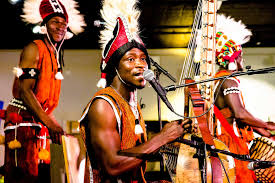
NEW YORK, LONDON, TOKYO — It is no longer a trend; it is a full-blown global revolution. The world is vibrating to the African melody and vibes, and the cultural landscape as we know it will never be the same. From the pulsating, sold-out arenas of Madison Square Garden to the sun-drenched beach clubs of Ibiza, the undeniable rhythms of African music have taken the planet by storm!
Make no mistake: African artists are no longer just participating in the global music industry—they are dictating its future. But this explosive cultural renaissance isn’t just about topping the Billboard charts; it is a multi-billion-dollar blueprint waiting to be unleashed.
THE TRAILBLAZERS: Who is Leading the Global Domination?
Leading this unstoppable sonic juggernaut are two heavyweight nations: Nigeria and South Africa, with dynamic contributions from Ghana, Kenya, and Tanzania.
Nigeria, the undisputed headquarters of the Afrobeats explosion, has produced a golden generation of musical titans. Burna Boy has evolved into a stadium-selling global megastar, snatching Grammys and breaking records across continents. Wizkid and Davido laid the untouchable foundation, while new-school phenomenons like Rema—whose megahit “Calm Down” shattered streaming records globally—and the electrifying Asake are ensuring the Nigerian flag stays firmly planted at the summit of global pop culture.
Meanwhile, South Africa has unleashed a hypnotic, subterranean monster onto the world: Amapiano. With its signature log-drum basslines and infectious shakers, Amapiano has hijacked global dance floors. Artists like Tyla, whose viral hit “Water” became a global obsession, alongside heavyweights like Kabza De Small, DJ Maphorisa, and Uncle Waffles, have turned South African dance culture into an irresistible global export.
BEYOND THE BEATS: The Cultural Trifecta (Music, Movies, Food)
But the music is merely the tip of the spear. Africa is experiencing a broader cultural renaissance. Enter the “Cultural Trifecta”: Music, Movies, and Gastronomy.
Nollywood (Nigeria’s film industry) and the broader African cinema scene are currently experiencing a golden age. Streaming giants like Netflix and Amazon Prime are pouring millions into acquiring and commissioning African stories. From gripping thrillers to opulent dramas, African films are offering the world a front-row seat to the continent’s vibrant fashion, sprawling cities, and rich heritage.
Add to this the explosive global curiosity surrounding African cuisine. The legendary “Jollof Wars” between West African nations have become a viral internet sensation, driving global audiences to seek out authentic African culinary experiences. From Nigerian Suya to South African Braai, global palates are awakening to the continent’s bold flavors.
THE BILLION-DOLLAR MASTERSTROKE: Turning Culture into FDI and Tourism
So, how can creative nations weaponize this cultural tsunami? According to economic experts speaking to ABT News, governments are sitting on a goldmine. The seamless integration of music, movies, and food is the ultimate “Soft Power” weapon—one that can be leveraged to craft highly lucrative policies for Tourism and Foreign Direct Investment (FDI).
1. The “Detty December” Blueprint: Look at Ghana’s highly successful “Year of Return” and the annual “Detty December” phenomenon in West Africa. By curating world-class music festivals, culinary expos, and film premieres during the holiday season, these nations have transformed into premium tourist destinations for the global diaspora and international thrill-seekers. Governments must invest in mega-venues and secure tourist-friendly visa policies to make this influx a year-round reality.
2. Pitching Culture as an Asset Class: When a nation’s culture is booming, it signals a vibrant, youthful, and innovative population—exactly what foreign investors look for. Policymakers must articulate a coherent narrative: “Come for the Afrobeats and Jollof, stay to invest in our tech hubs, real estate, and infrastructure.” By packaging cultural hubs as special economic zones, governments can attract venture capital not just for creative arts, but for the digital and physical infrastructure needed to support it.
3. Gastronomy & Cinematic Tourism: Imagine “Nollywood Studio Tours” rivaling Universal Studios, or state-sponsored global culinary tours that franchise high-end African dining experiences across the globe. By subsidizing these industries, governments create a continuous, highly attractive advertisement for their countries. Every hit song, top-10 movie, and viral recipe is a pitch to investors that says: This is where the energy is.
THE VERDICT
The African cultural invasion is the most exciting global movement of the 21st century. The music has already won the world’s heart. Now, it is time for visionary leaders and policymakers to capture the world’s wallet. The beats are dropping, the cameras are rolling, and the table is set. The only question is: Who will be smart enough to cash in?
Stay tuned to www.abtnews.net for more exclusive coverage on the business of African entertainment. All advertising enquiries should be sent to: advertise@abtnews.net or +447918790290

 By
By

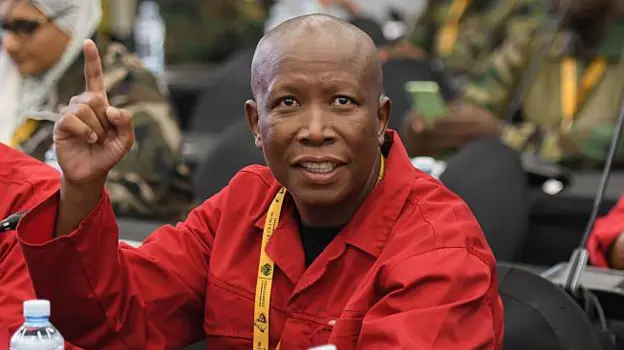







Africa is home, Africa is strength. Our sound carries our history, our hope, our power. Give an African a beat, and watch the world move.”