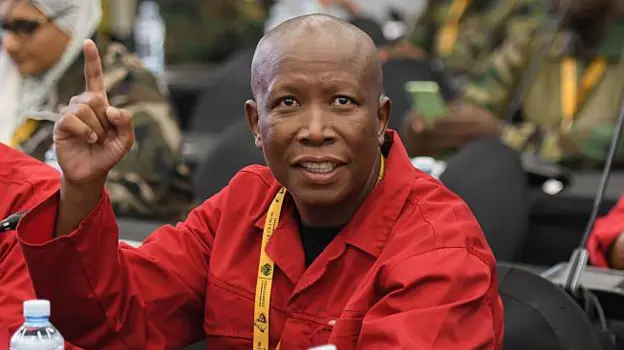


Reparations activist Anelia Sutton has drawn widespread online attention for promoting a proposed class-action lawsuit seeking $134 quadrillion ($133,749,114,655,200,000) from federal and state governments and institutions that profited from chattel slavery.
The $134 Quadrillion Claim Breakdown
- Per-Capita Target: The lawsuit claims roughly $3.3 billion for each of an estimated 40 million eligible descendants of enslaved Africans in the U.S.
- Calculation Method: According to the campaign, the figure is derived from a conservative estimate of 400+ years of forced labor, uncompensated land values, and compounded interest calculated at 5% annually over 150 years.
- Administrative Structure: The campaign rules specify a 25% administrative fee ($33.5 quadrillion) allocated to cover legal operations, administration, and legal team expenses upon settlement.
Economic and Legal Reality Check
- Mathematical Impossibility: Total global wealth across the entire planet is estimated at approximately $450 trillion, and annual U.S. GDP is around $29 trillion. The $134 quadrillion figure represents nearly 300 times the total existing wealth of planet Earth.
- Judicial Precedent: U.S. federal courts have repeatedly dismissed slavery reparations class actions—most notably In re African-American Slave Descendants Litigation—on grounds of sovereign immunity, statutes of limitations, lack of legal standing, and the political question doctrine (which holds that economic policy remedies belong to Congress, not the courts).
- Fundraising Model: While signing up as a class member is free, the campaign asks participants for micro-donations ($4 each) and book purchases (The Law Revolution) to fund initial evidence building and filing expenses.
Will African States Ever Receive Reparations?
- Diplomatic vs. Judicial Channels: African nations and the African Union (AU) generally avoid domestic tort litigation in favor of state-to-state international diplomacy, often coordinating with the Caribbean Community (CARICOM).
- Structural Restitution: International efforts focus on systemic restitution—such as bilateral debt cancellation, preferential trade access, climate adaptation funding, and the physical repatriation of looted cultural heritage—rather than individual direct payouts.
- European Response: Former colonial powers (including the UK, Netherlands, and Portugal) have increasingly issued formal apologies or set up targeted development funds, but remain resistant to legally binding financial reparations at the state level.


 By
By