

How to Cope With Anxiety and Depression: What the Latest Research Says
Anxiety and depression are now among the most common mental‑health challenges across the UK. They affect people quietly, often invisibly, and often at the moments when life already feels overwhelming. But the message from modern psychology, NHS guidance, and global wellbeing research is clear: you are not powerless, and small, consistent strategies can make a meaningful difference.
This week, we explore evidence‑based ways to cope and why hope is more realistic than it feels.
1. Start With the Basics: Your Body Is Your First Line of Defence
It sounds simple, but it’s foundational. The NHS notes that sleep, movement, and nutrition directly influence mood, energy, and emotional stability.
- Gentle movement (like walking) reduces stress hormones
- Regular sleep stabilises mood
- Eating regularly prevents emotional crashes
These aren’t cures they’re anchors. When your body is steadier, your mind has more room to breathe.
2. Break the “Anxiety Loop” With Small Interruptions
Anxiety often spirals because the brain gets stuck in threat mode. Cognitive behavioural research shows that interrupting the loop even briefly can reduce symptoms.
Try:
- Naming what you’re feeling (“This is anxiety, not danger”)
- Grounding techniques (5 things you can see, 4 you can touch)
- Slow breathing to calm the nervous system
These micro‑interventions help your brain shift from panic to presence.
3. Depression Thrives in Isolation. Connection Weakens It
One of the strongest findings from mental‑health research is that connection protects against depression. You don’t need a big social circle; even one supportive relationship makes a difference.
Connection can look like:
- Sending a message to someone you trust
- Sitting in a café around other people
- Joining a community group or online forum
Humans are wired for connection. Depression wants you alone don’t give it what it wants.
4. Talk Therapy Works And It’s More Accessible Than Ever
Therapies like CBT, counselling, and trauma‑informed approaches are recommended by the NHS and backed by decades of research. They help you understand patterns, challenge unhelpful thoughts, and build coping tools.
If therapy feels daunting, start with:
- A GP appointment
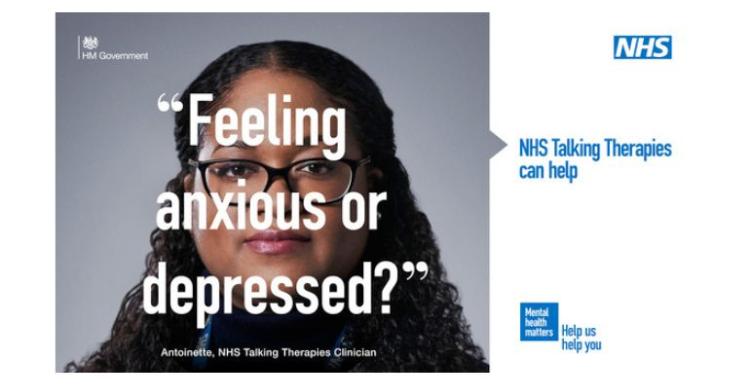
- NHS Talking Therapies
- Workplace wellbeing services
- Charities offering low‑cost support
You don’t need to be “at breaking point” to seek help. Early support is powerful.
5. Be Kind to Yourself Self‑Compassion Is a Clinical Tool
Self‑criticism fuels both anxiety and depression. Research from the University of Oxford’s Compassion‑Focused Therapy programme shows that self‑compassion reduces shame, fear, and emotional overwhelm.
Try:
- Speaking to yourself the way you’d speak to a friend
- Allowing rest without guilt
- Replacing “What’s wrong with me?” with “I’m having a hard moment”
Self‑compassion isn’t indulgence it’s medicine.
6. You Don’t Need to “Fix Everything” Just the Next Five Minutes
When life feels heavy, long‑term goals can feel impossible. Mental‑health researchers recommend shrinking the timeframe.
Focus on:
- The next five minutes
- One small task
- One moment of relief
Small wins build momentum. Momentum builds hope.
7. If You’re Struggling, You’re Not Failing You’re Human
Anxiety and depression are not character flaws. They are health conditions shaped by stress, trauma, biology, and environment. Seeking support is a sign of strength, not weakness.
You deserve care. You deserve rest. You deserve support.
References
These references are paraphrased summaries of publicly available research and guidance.
- NHS Mental Health Guidance Emphasises the role of sleep, physical activity, and nutrition in managing anxiety and depression.
- Cognitive Behavioural Therapy Research (Beck Institute) Shows that interrupting anxious thought patterns reduces symptoms.
- Harvard Study of Adult Development Highlights the protective effect of strong social relationships on mental health.
- NHS Talking Therapies Programme Provides evidence‑based psychological treatments for anxiety and depression.
- Compassion‑Focused Therapy (University of Oxford) Demonstrates that self‑compassion reduces shame, fear, and emotional distress.
- World Health Organization (WHO) Identifies anxiety and depression as leading global mental‑health conditions and outlines effective coping strategies.


 By
By