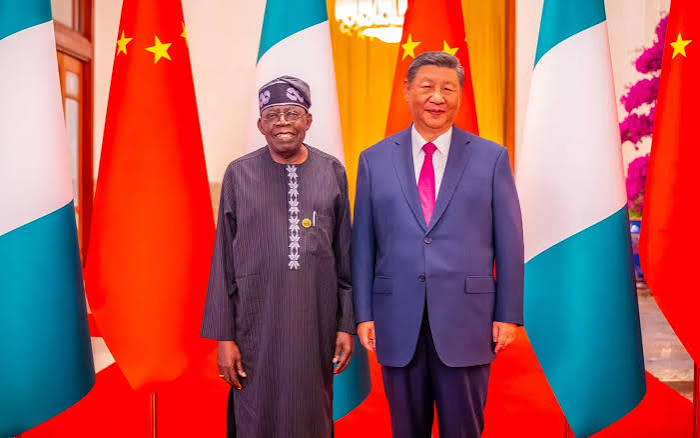

ABUJA — On paper, Nigeria’s recent quarterly export numbers might look like a triumph, boasting an overall trade surplus driven by crude oil and a few raw commodities. However, as recent analysis from TheCable titled “Nigeria’s Q1 export story has a hole in the middle” points out, a deeper look reveals a gaping vulnerability: a crippling trade imbalance with our biggest import partner, China.
While Nigeria continues to export heavily to Europe and parts of the Americas, its relationship with China remains aggressively lopsided. Recent data shows that while Nigeria imports trillions of Naira worth of Chinese manufactured goods—ranging from machinery and electronics to basic consumer goods—our exports to Beijing remain comparatively microscopic, creating a massive trade deficit that drains our foreign exchange reserves and stifles local manufacturing.
So, what is driving this persistent imbalance, why aren’t regional agreements fixing it, and how can Nigeria turn the tide?
What is the Government Doing About This?
The federal government has initiated several steps to address the structural deficiencies in our international trade profile:
- The Zero-Tariff Window: The Nigerian government recently engaged with Beijing to key into China’s expanded “zero-tariff” policy for African goods. This agreement waives import duties on a wide range of Nigerian agricultural and non-oil products entering the Chinese market.
- Infrastructure Upgrades: The government is banking on the newly operational Lekki Deep Sea Port in Lagos to serve as a major transshipment hub, aiming to drastically reduce the port congestion and freight costs that have historically plagued Nigerian exporters.
- AfCFTA Committees: The government established the National Action Committee on AfCFTA to design an implementation strategy, coordinate trade protocols, and negotiate the “Rules of Origin” to ensure Nigerian manufacturers can export locally made goods seamlessly.
Why is AfCFTA Not Changing the Tides?
The African Continental Free Trade Area (AfCFTA) was hailed as the silver bullet that would boost intra-African trade and reduce Nigeria’s reliance on Asian imports. Yet, years after its launch, the imbalance with China persists. Why?
- The Infrastructure Deficit: Trade is physical. Even with tariffs removed on paper, the cost of moving goods remains astronomically high. Reports indicate that the cost of shipping a container locally from Apapa port to the Lagos mainland can sometimes rival the cost of shipping that same container all the way from China. Poor road networks, power shortages, and inadequate rail systems make Nigerian goods uncompetitive.
- Similar Export Baskets: AfCFTA struggles to replace Chinese trade because most African nations produce similar primary commodities. Nigeria cannot easily substitute its massive demand for Chinese electronics, mobile phones, and heavy machinery with imports from neighboring African countries, which also lack heavy manufacturing bases.
- Forex Scarcity and Production Costs: Nigerian manufacturers rely heavily on imported raw materials and machinery (mostly from China) to produce goods. The scarcity of foreign exchange and currency volatility makes production expensive, meaning Nigerian goods struggle to compete on price, even within the AfCFTA framework.
- Non-Tariff Barriers: Bureaucratic bottlenecks, border closures of the past, and lack of digital customs integration continue to frustrate intra-African trade. While countries like Rwanda use digital single-window systems to clear goods in a day, Nigerian exporters still face severe logistical and administrative delays.
How Can This Trade Imbalance Be Reversed?
Reversing the trade deficit requires moving beyond simply selling what we dig out of the ground. To balance the scales, Nigeria must adopt a comprehensive, value-driven strategy:
- Aggressive Value Addition (Industrialization): The current export structure—where Nigeria exports raw sesame, cocoa, and crude oil, only to import refined fuel, chocolate, and finished goods—is unsustainable. The zero-tariff policy with China will mean nothing if Nigeria only exports raw bones and unprocessed ginger. We must build processing capacity to export finished or semi-finished goods that command higher global prices.
- Strict Compliance and Certification: One of the biggest hurdles for Nigerian exporters accessing foreign markets, including China, is failing to meet stringent quality and sanitary standards. The government must invest in globally recognized export certification systems and laboratories so that Nigerian agro-allied products are not rejected at foreign borders.
- Fixing the Business Environment: The government must prioritize fixing the foundational business environment—providing reliable grid power, streamlining multiple taxation, and ensuring access to single-digit credit for manufacturers.
- Digital Trade Facilitation: Implementing real-time digital tracking and single-window clearance at our ports will drastically reduce the cost and time of exporting.
Nigeria’s Q1 export story proves that while the volume of trade is moving, the value of trade is leaving the country. Until Nigeria transforms from a commodity exporter to an industrial manufacturer, the gaping hole in our trade narrative will remain, and the dominance of Chinese imports will persist.
For more breaking news, Trending news, Global Business insights and political news, keep it locked on ABT NEWS.
It pays to advertise your business, products and services on ABT NEWS www.abtnews.net. Please send your enquiries to advertise@abtnews.net or +447918790290



 By
By