
By ABT News Political Correspondent
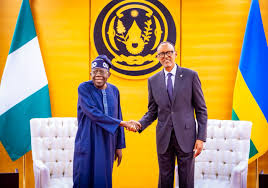
KIGALI/ABUJA — Speaking on Friday, May 15, at the prestigious Africa CEO Forum in Kigali, Rwanda, President Bola Tinubu made a passionate, high-level pitch to his compatriots back home: pay your taxes. According to the President, strict tax compliance remains the only viable mechanism for financing Nigeria’s collapsing infrastructure, bleeding healthcare sector, decaying education system, and much-needed welfare programmes targeted at the country’s most vulnerable citizens.
While the President’s remarks sound like standard economic textbook prudence on an international stage, they have triggered a wave of intense blowback at home. To millions of Nigerians currently suffocating under the weight of historic inflation, uncontrolled borrowing, subsidy removals, and a devalued currency, the administration’s sermon on tax compliance feels less like civic education and more like a cruel irony.
The reality on the ground offers a stark, jarring contrast to the fiscal piety preached in Kigali. While the federal government demands that citizens tighten their belts and fund the state, the political class continues to loosen theirs in an unprecedented display of extravagant waste, budget indiscipline, and fiscal rascality.
The Kigali Sermon vs. The Abuja Reality
During his address in Kigali, President Tinubu framed tax evasion as a direct threat to national development and welfare. Yet, public policy analysts and ordinary citizens alike are asking a fundamental question: Where exactly is the current tax revenue going?
Over the past year, the federal government’s spending habits have painted a picture of a leadership detached from the economic realities of the people it governs. Rather than channeling existing resources into the very healthcare and education systems the President championed in Rwanda, Nigeria’s national budgets have been plagued by what critics describe as institutionalized squandermania.
From billions allocated for the renovation of lavish residential quarters for political office holders to the procurement of multi-million-dollar luxury vehicles, the federal government’s budget indiscipline has undermined its moral authority to demand more sacrifices from an already impoverished and acutely distressed populace.
Motorcade Entourages and Multi-Billion Naira Convoys
Nowhere is this culture of waste more visibly offensive to the Nigerian taxpayer than on the country’s gridlocked and pothole-ridden roads. While the average citizen struggles to afford a single liter of fuel, federal officials, ministers, and the presidency navigate the country in gargantuan, fuel-guzzling motorcade entourages.
It is not uncommon to see a single government official traveling with a convoy of 20 to 40 high-end, armored SUVs—all fueled and maintained at the expense of the taxpayer. This ostentatious display of power and wealth serves as a daily reminder of the deep disconnect between the rulers and the ruled. If the government is truly starved of funds for infrastructure and welfare, critics argue, the scaling down of these unnecessary, bloated convoys would be the most logical place to start saving.
A Case of Fiscal Rascality
The phrase “budget indiscipline” barely scratches the surface of the legislative and executive maneuvers that characterize Nigeria’s public finance management. The padding of budgets, allocation of humongous “constituency projects” with zero accountability, and the continuous inflation of bureaucratic overheads point to a systemic fiscal rascality that cannot be cured by simply squeezing more taxes out of struggling small businesses and overworked citizens.
Furthermore, Nigeria’s social welfare programmes which are the very initiatives President Tinubu claims taxes will fund, have historically been marred by corruption, lack of transparency, and institutional failure, often failing to reach the truly vulnerable.
The Bottom Line: Equity Before Enforcement
For any tax system to be effective, there must be a visible social contract. Citizens willingly part with their hard-earned money when they see it reflected in functional hospitals, safe roads, stable electricity, and affordable education.
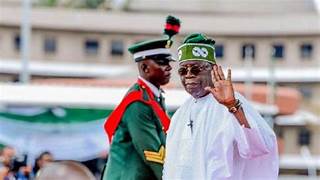
President Tinubu’s appeal in Kigali would carry immense weight if the federal government led by example. But as long as the administration chooses to sustain an elite lifestyle of unbridled luxury, reckless budgeting, and kilometer-long presidential motorcades, asking Nigerians to pay more taxes will continue to be met with fierce resistance.
Before the federal government looks into the empty pockets of its citizens, it must first look into its own overflowing pockets of waste. True fiscal responsibility does not begin with taxing the poor; it begins by curbing the excesses of the state.
For more breaking news and analytical updates, visit www.abtnews.net

 By
By