
JOHANNESBURG — For decades, Africa has supplied the raw materials that built the industrialized world, often remaining a spectator to the vast wealth generated from its own soil. But the global landscape of 2026 has radically shifted. Driven by an urgent energy transition, rapid digital transformation, and shifting geopolitical power dynamics, the world is now entirely dependent on Africa’s precious metals and rare earth minerals.
Holding roughly 30% of the world’s critical mineral reserves—including cobalt, lithium, copper, and platinum group metals (PGMs)—Africa possesses unprecedented leverage. The continent is no longer just a resource pit; it is the indispensable engine of the global green future. However, potential is not prosperity. To enthrone a best-case scenario and end the cycle of raw extraction, Africa must dramatically raise its game and fix the crippling energy shortfalls stunting its manufacturing capabilities.
Below is the strategic roadmap for the continent’s industrial liberation.
Raising the Game: Actionable Steps for Mineral Sovereignty
To capitalize on this once-in-a-generation leverage, African governments must pivot from extraction to value creation. The African Union’s African Green Minerals Strategy (AGMS) and the newly established Critical Minerals Information and Knowledge Hub (C-MINK) lay the groundwork, but actionable execution is mandatory:
- Mandate Local Beneficiation: African nations must collectively refuse to export raw ores. By mandating domestic processing and refining—similar to the export quotas and equity stakes currently being trialed in Zimbabwe, Mali, and Ghana—the continent can capture the immense value generated in the mid-stream supply chain.
- Harmonize Cross-Border Policies: Fragmented mining policies allow foreign entities to play African nations against each other. A unified, continental regulatory framework is required to enforce fair pricing, strict environmental standards, and technology transfer agreements.
- Secure the Supply Chains: As highlighted ahead of the 2026 Mining Indaba, illicit practices, smuggling, and corruption threaten to perpetuate the “resource curse.” Governments must invest in strict oversight at supply chain chokepoints, deploy co-product detection technologies, and formalize artisanal mining to shut out transnational organized crime.
- Invest in Human Capital: Africa must build local technological capacity. Partnering with global tech firms to train local engineers in battery chemistry, metallurgical processing, and green technology manufacturing is non-negotiable.
Powering the Ambition: Solving the Energy Shortfall
Africa cannot industrialize in the dark. The primary constraint to local manufacturing and mineral refining is no longer a lack of capital or subsurface potential—it is the continent’s chronic energy deficit. Processing critical minerals requires massive, uninterrupted baseload power.
What Energy Sources Must Africa Resort To?
The strategy for 2026 and beyond must be a pragmatic mix of rapid renewables and transition fuels:
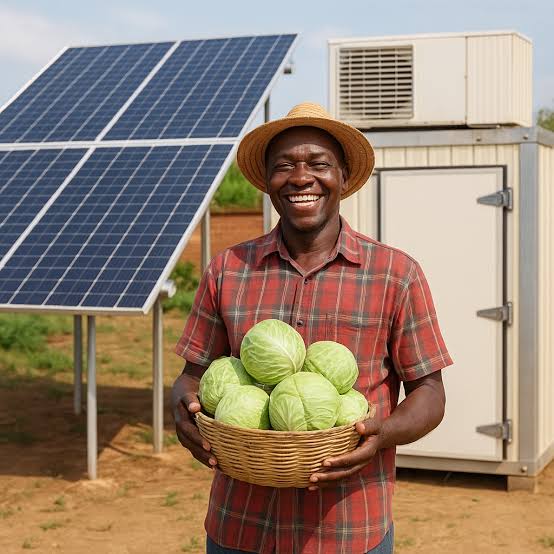
- Solar Power: Solar is poised to be the dominant force for rapid deployment. With falling module prices, massive utility-scale solar farms and commercial rooftop solutions are out-competing diesel generators. Industrial clusters must embrace decentralized, hybrid power grids (combining solar with battery storage) to insulate themselves from national grid failures.
- Natural Gas as a Transition Fuel: Africa must unapologetically utilize its own vast natural gas reserves to provide the reliable baseload power required for heavy manufacturing. Discoveries in Mozambique, Senegal, Tanzania, and Mauritania are game-changers. Developing domestic gas-to-power infrastructure will fuel regional industrialization while keeping emissions lower than traditional coal.
- Hydroelectric and Wind: Expanding regional power pools, such as the Southern African Power Pool (SAPP), allows countries with massive hydro or wind potential to export surplus clean energy across borders to manufacturing hubs.
From Where Should the Energy Come?
The energy must come from within. The ongoing 2026 Middle East crisis and subsequent oil shocks have severely exposed Africa’s vulnerability to imported fuels. Africa must achieve petroleum and gas independence by building regional refining capacity and cross-border pipelines, keeping African energy on African soil.
Who Should Lead the Drive?
While the Democratic Republic of Congo (DRC) and Zimbabwe hold the lion’s share of raw reserves like cobalt and lithium, they currently lack the infrastructure to spearhead a continental manufacturing revolution alone.
The drive must be led by a strategic coalition anchored by South Africa and Morocco.
- South Africa boasts the continent’s most advanced industrial base, deep capital markets, and a mature mining sector. As the host of the critical 2026 Mining Indaba, Pretoria is uniquely positioned to drive policy consensus across the Southern African Development Community (SADC).
- Morocco brings critical mid-stream success to the table. Rabat already hosts viable, battery-grade chemical refining facilities and has successfully integrated renewable energy into its industrial sectors.
By combining the raw output of the DRC, Zambia, and Zimbabwe with the refining and manufacturing infrastructure of South Africa and Morocco, Africa can forge an unbreakable, end-to-end green tech supply chain. The resources are in the ground, and the global demand is locked in. The only thing left is for Africa to execute.
GROW YOUR BUSINESS WITH US!
Are you looking to elevate your brand and reach a wider, highly engaged audience across Africa and beyond? Advertise with ABT NEWS at www.abtnews.net! Partner with us to showcase your products, services, and industrial solutions to thousands of daily readers and key decision-makers. For maximum outreach and greater sales, reach out to our advertising team today at info@abtnews.net or call us at +44 791 879 0290.


 By
By