
An ABT NEWS Analysis | www.abtnews.net
Africa’s energy poverty is a well-documented crisis, but nowhere is the paradox of abundant energy resources and acute power shortage more jarring than in Nigeria. Despite holding some of the world’s largest natural gas reserves, Africa’s most populous nation continues to battle a crippling electricity deficit. For over 200 million citizens, the hum of diesel generators has become the default soundtrack of daily life, underscored by the frustratingly frequent announcement: “The national grid has collapsed.”
What Does a “Grid Collapse” Actually Mean?
To understand why the grid fails, you have to understand what it is: a massive, delicate balancing act. The national grid is the network of transmission lines and stations that carry electricity from where it is generated (power plants) to where it is distributed (homes and businesses).
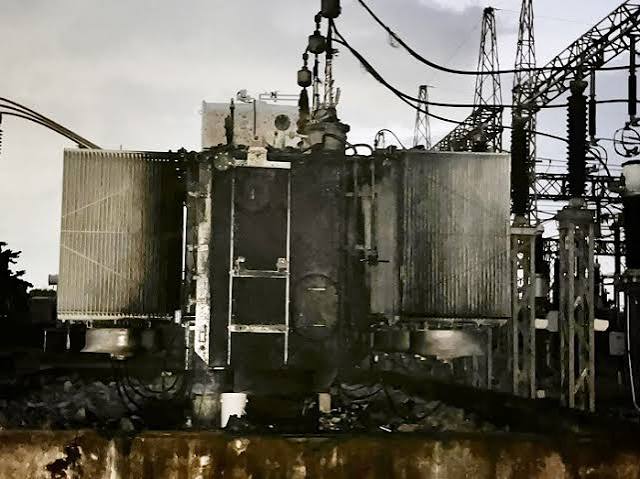
A grid collapse occurs when there is a sudden, severe mismatch between the amount of electricity being pumped into the system and the amount being consumed. The grid must maintain a strict frequency (usually 50 Hertz). If a major power plant suddenly goes offline, or if there is a massive drop in demand, that frequency fluctuates violently. To prevent catastrophic, permanent damage to the expensive turbines and transformers, the system’s safety mechanisms automatically trip, shutting down the entire network. The result is a nationwide blackout.
Why is Nigeria’s Grid Always Collapsing?
The Nigerian grid is notoriously fragile, often collapsing multiple times a year. This chronic instability boils down to three main failures:
- Generation Deficit & Gas Shortages: Nigeria has an installed generation capacity of about 13,000 megawatts (MW), but typically only distributes around 4,000 MW. Most of Nigeria’s power plants are thermal (powered by natural gas). Ironically, despite abundant reserves, these plants frequently cannot get enough gas due to pipeline vandalism, poor pricing frameworks, and unpaid debts to gas suppliers.
- Dilapidated Transmission Infrastructure: Even if the plants could generate 10,000 MW tomorrow, the current transmission infrastructure—plagued by aging cables and overloaded transformers—can only safely wheel about 5,000 to 6,000 MW. Pushing more through the old lines causes the very frequency imbalances that lead to a collapse.
- Liquidity Crisis: The power sector is choked by debt. Distribution Companies (DisCos) struggle to collect payments from consumers (due to unmetered homes and electricity theft), meaning they cannot pay the Generation Companies (GenCos), who in turn cannot pay for gas or maintenance.
The Human and Economic Toll
The human cost of this crisis is grim. Quality of life is severely compromised; perishable food spoils quickly, hospitals are forced to conduct surgeries under the light of flashlights when backup generators fail, and students struggle to study in stifling heat without fans or air conditioning.
For the economy—and the manufacturing sector in particular—the impact is devastating. Electricity is the lifeblood of industry. Because grid power is entirely unreliable, manufacturers are forced to rely on heavy-duty diesel generators. Diesel is expensive and subject to global market shocks.
This creates a brutal ripple effect:
- Skyrocketing Overhead: Energy costs can account for up to 40-50% of production costs for Nigerian manufacturers.
- Uncompetitive Pricing: Because it costs so much to make goods locally, Nigerian products are often more expensive than imported alternatives, killing local demand.
- Factory Closures: Unable to sustain the massive operational costs, multinational companies and local SMEs alike are forced to downsize, relocate to neighboring countries, or shut down entirely, leading to massive job losses.
What Can the Private Sector Do?
Successive federal governments have thrown billions of dollars at the power sector with little to show for it. However, the recent signing of the Electricity Act 2023 fundamentally changed the game, breaking the federal monopoly and allowing states, companies, and individuals to generate, transmit, and distribute electricity.
With the government stepping back, the private sector must step in by focusing on decentralization:
- Commercial and Industrial (C&I) Captive Power: Private companies can pool resources to build dedicated, independent power plants for specific industrial clusters or economic zones, completely bypassing the national grid.
- Mini-Grids for Communities: Private investors can build and operate localized mini-grids for residential estates and rural communities. These localized grids are easier to manage, easier to secure, and guarantee payment through smart pre-paid metering.
- Financing and Tech Upgrades: Private tech firms can provide the software and smart-metering infrastructure needed to stop electricity theft and ensure energy that is consumed is actually paid for, fixing the liquidity crisis at the distribution level.
The Energy Sources Needed for 24-Hour Power
To achieve round-the-clock electricity, Nigeria must diversify away from its over-reliance on centralized, gas-fired thermal plants and embrace a robust mix of decentralized renewables.
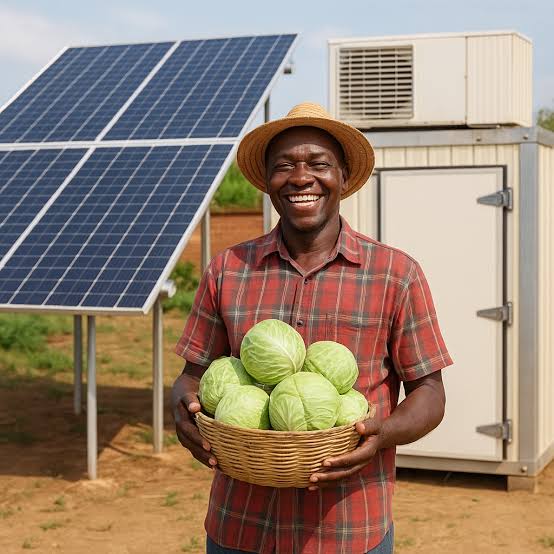
- Solar Energy: This is Nigeria’s greatest untapped resource. The northern region, in particular, receives tremendous solar radiation. Utility-scale solar farms, combined with rooftop solar solutions for individual homes and businesses, can drastically reduce the load on the national grid.
- Small and Medium Hydro: While large hydro dams (like Kainji and Jebba) already exist, there are hundreds of smaller rivers across the country that can host mini-hydroelectric plants to power surrounding local governments.
- Wind and Biomass: Coastal regions and specific northern corridors have viable wind speeds for turbines, while agricultural hubs can convert massive amounts of crop and animal waste into biomass energy.
- Natural Gas (as a transition): Gas shouldn’t be abandoned, but it must be optimized. Instead of relying on massive, central plants, smaller, embedded gas-fired plants located directly next to industrial hubs can provide reliable, heavy-duty baseload power for manufacturing without relying on the fragile national transmission lines.
The era of relying entirely on a single, centralized national grid is over. For Nigeria to step out of the darkness and ignite its industrial potential, the future of its power sector must be local, privatized, and heavily renewable.
It pays to advertise your business, products and services on ABT NEWS www.abtnews.net. Please send your enquiries to advertise@abtnews.net or +447918790290


 By
By