
ABUJA — In a bold macroeconomic move that has sent ripples through international financial corridors, the Nigerian government has officially bypassed stringent warnings from the International Monetary Fund (IMF) and proceeded with a massive $5 billion financial arrangement with the United Arab Emirates (UAE).
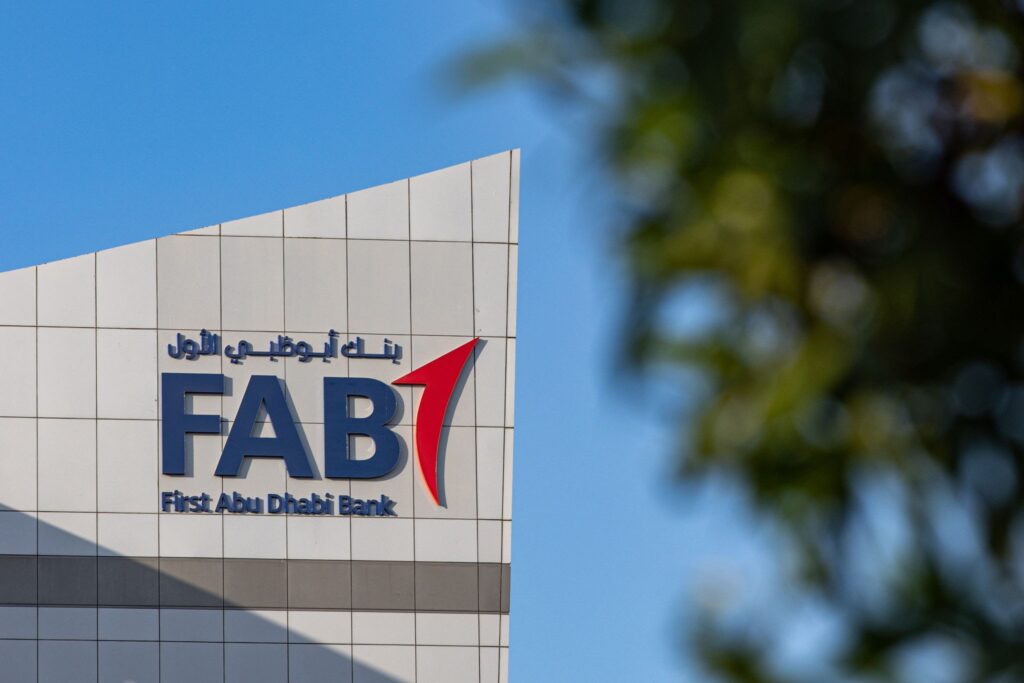
Recent banking data reveals that Nigeria has already drawn down its first tranche of $1.5 billion from the facility, which was engineered through the UAE’s premier financial hub, First Abu Dhabi Bank (FAB).
Why is Nigeria Bent on This Loan Facility?
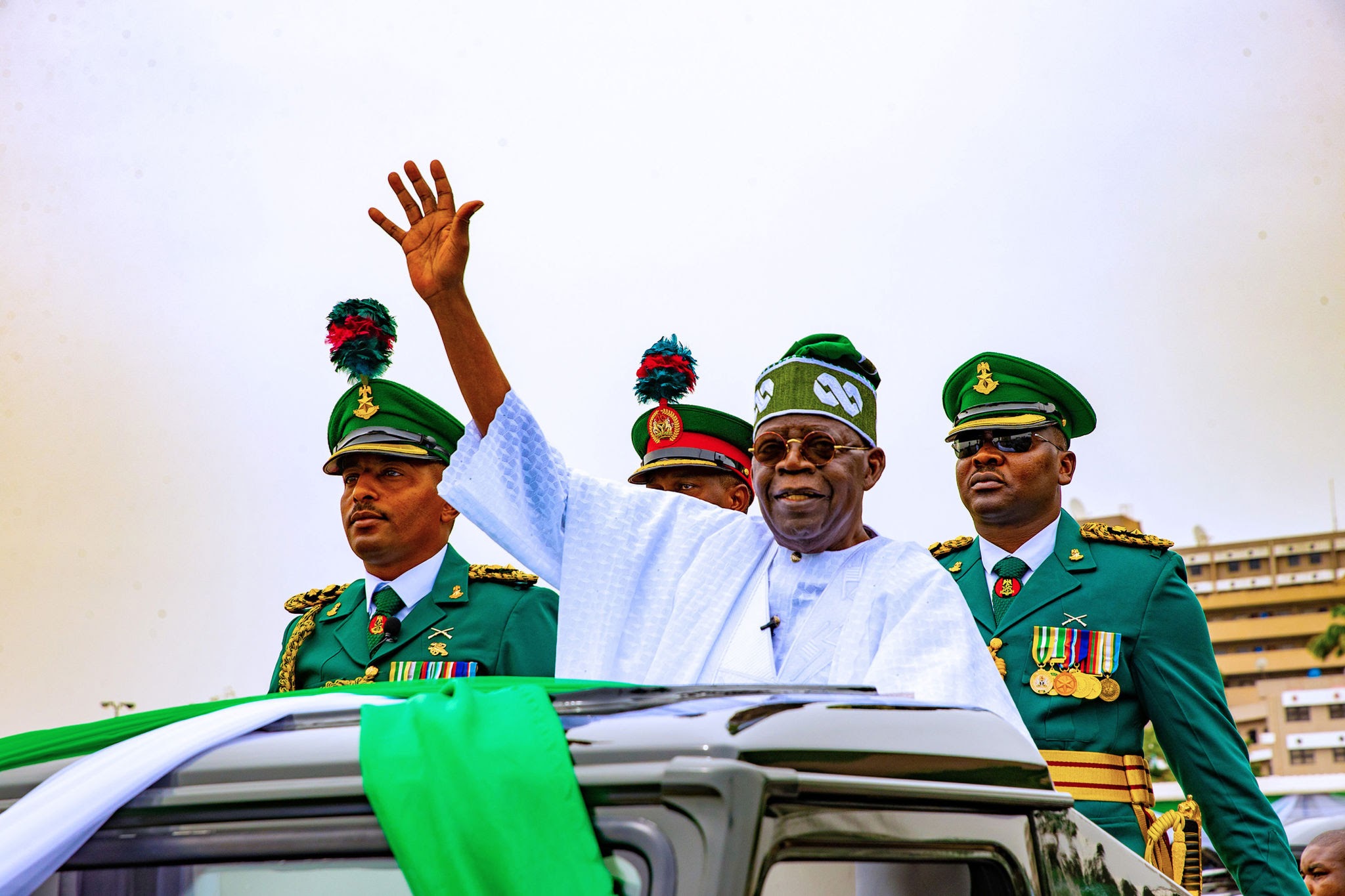
To understand why the administration of President Bola Tinubu aggressively pushed for this deal, one has to look at the tight corner the Nigerian economy has been in. Facing tight global liquidity, high inflation, and volatile foreign exchange markets, Abuja desperately needed a lifeline that traditional channels couldn’t quickly or cheaply provide.
There are three primary reasons why Nigeria went all-in on this UAE deal:
- Avoiding Expensive Eurobonds: Issuing conventional Eurobonds (international bonds issued in a currency foreign to the country) right now would force Nigeria to pay incredibly high premium interest rates due to global market volatility. The UAE facility offers an immediate backdoor to hard dollar currency at competitive rates.
- Refinancing Costly Debt: The government plans to use the dollars to wipe out or restructure more expensive, short-term domestic and external debts that are currently choking the country’s revenue.
- Funding Crucial Infrastructure & The Budget: The cash injection is designed to backstop Nigeria’s 2026 fiscal budget and keep massive, legacy infrastructure projects alive. Specifically, FAB has already been a key financier, providing $1.2 billion for segments of the highly publicized Lagos-Calabar Coastal Highway.
The Mechanics: What is a Total Return Swap?
The IMF’s anxiety isn’t necessarily about Nigeria borrowing money; it’s about how they are doing it. This deal is structured as a Total Return Swap (TRS)—a sophisticated type of financial derivative.
In simple terms, instead of just taking a direct loan, Nigeria is using its own local assets as a pawn piece. Abuja has pledged naira-denominated government bonds worth roughly $6.67 billion as collateral. That amounts to 133.3% of the loan value. In exchange, First Abu Dhabi Bank hands over the $5 billion in hard U.S. dollars.
The first $1.5 billion tranche is priced at 395 basis points above the Secured Overnight Financing Rate (SOFR—the baseline interest rate banks charge each other), with subsequent blocks ticking up to SOFR plus 400 basis points. While lawmakers celebrated this as a highly competitive rate, rating agencies see a hidden tripwire.
The Red Flags: What the IMF and Rating Agencies Fear
The IMF’s resident representative in Nigeria, Christian Ebeke, did not mince words during the recent Article IV consultations. The Fund’s warnings, echoed loudly by international credit rating giants Fitch and Moody’s, center on three massive implications for Nigeria’s economic future:
1. The Threat of Opaque “Margin Calls”
This is the single biggest risk. Because the collateral is in Nigerian Naira but the loan is in U.S. Dollars, any significant drop in the value of the Naira or a sharp spike in domestic interest rates means the collateral is suddenly worth less in dollar terms. If that happens, First Abu Dhabi Bank can issue a margin call—demanding that Nigeria immediately post more collateral or pay cash in pure dollars. These demands always hit during periods of intense economic stress, meaning Nigeria could face a dollar drain exactly when its foreign reserves are lowest.
2. Policy Handcuffs
The IMF explicitly noted that parts of the deal “could give rise to political constraints on monetary or exchange rate policy.” If the Central Bank of Nigeria (CBN) wants to adjust the value of the naira or tweak interest rates to battle inflation, it might find its hands tied because doing so could trigger those catastrophic margin calls on the $5 billion swap.
3. Reduced Transparency and Debt Restructuring Chaos
Traditional loans or Eurobonds are listed transparently on public ledgers. Fitch Ratings warned that because Total Return Swaps involve private, complex contractual terms that are only partly disclosed, it severely limits transparency. If Nigeria ever needs to restructure its broader sovereign debt in the future, having a hidden, derivative-backed sovereign deal with the UAE could make global creditors very reluctant to step to the negotiating table.
The Takeaway for Nigeria
The Nigerian government is making a high-stakes gamble on its own recovery. By choosing financial innovation over traditional austerity advice, Abuja has secured the immediate cash injection it needs to jumpstart infrastructure and balance its books without facing the immediate execution heat of international bond markets.
However, by ignoring the warnings of the IMF, Fitch, and Moody’s, the country has tied its financial stability to the performance of its own currency. If the economic reforms pay off and the naira stabilizes, this UAE deal will be viewed as a masterclass in creative sovereign financing. But if the naira experiences another freefall, this innovative swap could quickly transform into an incredibly expensive debt trap.
For now, the first $1.5 billion is in the system—and the clock to 2032 has officially started ticking.
It pays to advertise your business, products and services on ABT NEWS www.abtnews.net. Please send your enquiries to advertise@abtnews.net or +447918790290


 By
By