
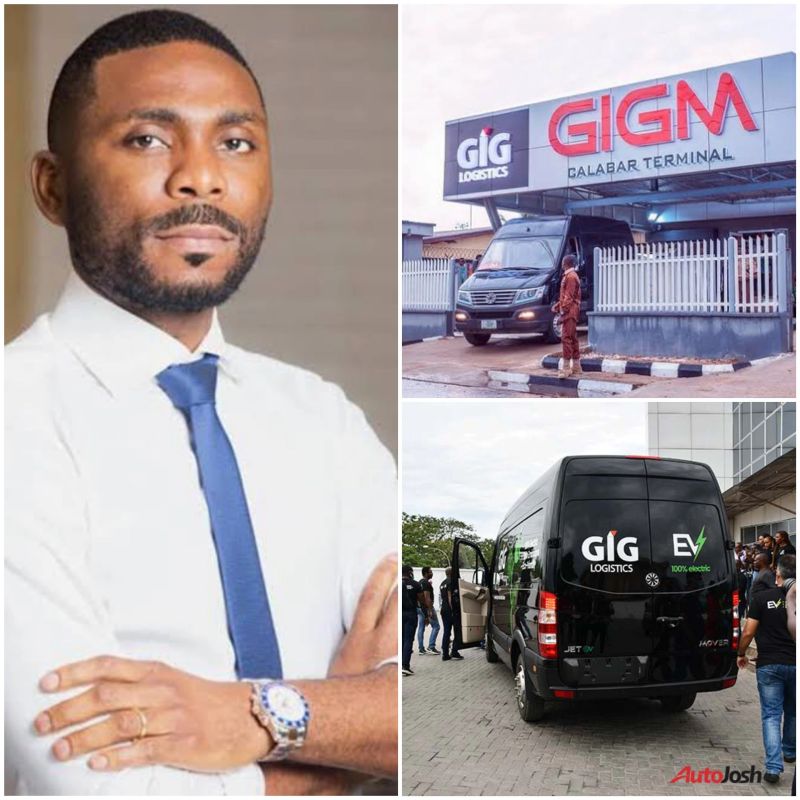

In 2009, 21-year-old student Chidi Ajaere faced a devastating personal and professional crisis. While studying in Canada, he received the news that his father had been kidnapped from church. Rushing back to Nigeria, he learned his father had tragically passed away in captivity.
As the eldest child, Ajaere stepped into the leadership seat of God Is Good Motors (GIGM)—a traditional, family-owned intercity transport business operating just four terminals and 90 buses in a largely fragmented, unstructured industry.
Fast forward to today: GIGM operates a fleet of over 700 buses spanning cross-border routes in Nigeria and Ghana, powered by proprietary digital infrastructure. The story of GIGM isn’t merely about transport, it is a masterclass in modern corporate strategy, culture change, and digital disruption.
Phase 1: Rebuilding the Core Culture and Brand Perception
When leaders attempt business transformation, they often make the mistake of deploying technology over broken operational foundations. Ajaere recognized early that before technology could scale the business, the underlying culture needed a total overhaul.
- Restructuring Human Capital: In an industry dominated by informal dress (T-shirts and slippers), GIGM introduced crisp corporate uniforms.
- Elevating Identity and Dignity: Drivers were re-designated as “Captains.” This shift did more than raise morale—it elevated public perception and fostered greater respect from road safety authorities and law enforcement during interstate travel.
- Redefining Customer Service: Passengers were no longer treated as commuters, but as guests. The chaotic “motor park” model was replaced with structured, comfortable passenger lounges and predictable departure protocols.
Key Takeaway for Leaders: Culture precedes digital adoption. Upgrading your tech stack without elevating your frontline standards and brand perception only digitizes inefficiency.
Phase 2: Pioneering Digital Innovation in Legacy Sectors
Africa’s transportation and logistics sector is currently valued at over $161 billion, driven by rapid urbanization and cross-border trade expansion. However, back in 2015, digital ticketing was virtually nonexistent in West Africa’s intercity transport sector.
- 2015: GIGM launched online intercity bus ticketing (
gigm.com), breaking away from traditional physical terminal queueing. - 2016: GIGM introduced its mobile application. Passengers gained the ability to view real-time bus layouts, select exact seats, process mobile payments, and track trips live.
- Impact today: Over 80% of GIGM’s bookings originate directly through digital channels, dramatically lowering terminal overhead and operational friction.
- Central Command Oversight: Operational transparency is anchored by a centralized real-time control center in Lagos, tracking fleet metrics, routes, and performance metrics across two countries.
Market Context: Why This Strategy Matters for Enterprise Leaders
Industry reports project the global intercity travel market to grow to $172.8 billion by 2034, while smart transportation solutions across Africa are growing at a 30% annual adoption rate.
As legacy businesses face margin compression, supply chain bottlenecks, and shifting consumer behavior, GIGM’s pivot provides three strategic pillars for enterprise transformation:
┌─────────────────────────────────────────────────────────────────────────┐
│                    THE GIGM TRANSFORMATION FRAMEWORK                    │
├───────────────────────────┬─────────────────────────────────────────────┤
│ 1. Operational Dignity    │ Standardize culture & frontline service     │
│ 2. Proprietary Tech Stack │ Shift transactions to digital self-service  │
│ 3. Data-Driven Command    │ Centralize real-time tracking & monitoring  │
└───────────────────────────┴─────────────────────────────────────────────┘
- Legacy is a Starting Point, Not an Endpoint: Heritage provides market share and asset bases, but agility determines survival.
- Control Your Digital Touchpoints: Owning the proprietary app and booking flow allowed GIGM to capture first-party customer data, spawning adjacent growth engines like GIG Logistics (GIGL).
- Solve Structural Friction: In emerging markets, building trust through reliability and transparency yields outsized market power.
Final Leadership Perspective
Chidi Ajaere’s journey from inheriting 90 buses in a crisis to managing an international transport and logistics network proves that digital transformation isn’t exclusive to tech startups. Traditional, brick-and-mortar industries hold immense value when reimagined through technology, structured leadership, and relentless execution.
ABT News Business Insight:
How is your organization adapting legacy operations for the digital age? Share your thoughts with our editorial team or explore more business transformation insights on ABT News.



 By