

By ABT News Agribusiness Desk
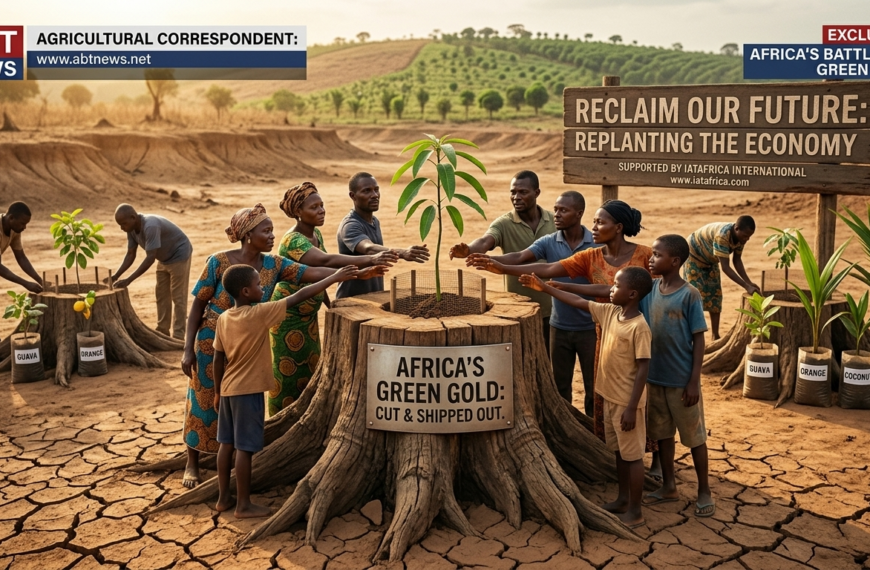
Every single day, ships leave African ports loaded to capacity with cocoa beans, raw cashew nuts, green coffee beans, unspun cotton lint, and raw sugar cane. On paper, policy makers and agricultural exporters celebrate these shipment volumes as “trade growth.”
In reality, Africa is not exporting crops. It is exporting margins, industrial power, and millions of domestic jobs, only to import poverty!
For decades, the narrative across African agriculture has been fixated on one goal: producing more. But growing more of a raw commodity that you sell cheap is not a growth strategy; it is a faster way to stand still. The economic truth that African farmers, agribusiness investors, and policymakers can no longer afford to ignore is simple: The profitability of agriculture resides squarely in the value chain. Period!
The Raw Commodity Trap: A Costly Illusion
When African agribusinesses sell raw produce, foreign processors buy the raw material at rock-bottom prices, refine it, package it, brand it, and sell it back to African consumers and global markets at markups ranging from 500% to over 3,000%.
Consider how wealth drains out of the African continent across key agricultural sectors:
| Crop | The Raw Export Trap | The Missed Value Chain Opportunity |
| Coffee | Exported as unroasted green beans for pennies per kilo. | Roasted, blended, packaged, and branded overseas as premium coffee products yielding massive profit margins. |
| Cocoa | Shipped as raw cocoa beans subject to volatile global spot pricing. | Converted into cocoa butter, liquor, industrial powder, finished chocolate, and cosmetics. |
| Cashew | Raw cashew nuts (RCN) shipped abroad for decortication. | Shelling, roasting, salting, flavoring, and consumer retail packaging done locally. |
| Cotton | Exported as raw ginned lint. | Spinning into yarn, weaving into fabric, dyeing, garment manufacturing, and apparel fashion. |
| Sugar Cane | Processed only up to raw bulk sugar before export. | Bio-ethanol generation, bagasse-fired electricity cogenerated for local grids, and chemical derivatives. |
While African smallholders perform the hardest physical labor, weathering climate risks, pest outbreaks, and soil depletion, over 80% to 90% of the financial value created from these crops is captured in Europe, North America, and Asia. Can you beat this?!
The Critical Shift: From “Growing More” to “Finishing More”
The fundamental challenge facing African agriculture is not a lack of fertile soil or yield capacity. It is an execution crisis in processing and brand ownership.
“The value was never mainly in producing more. It was in keeping the next step: the processing, the packing, the brand, close to where the crop already grows. Growing more of what you sell raw is not progress. Finishing more of what you grow is.”
Until African agricultural participants transition from raw commodity exporters to industrial value creators, rural communities will remain trapped in poverty while fueling wealth creation across developed nations.
Ways Forward: Solutions for African Agro-Partakers
To break this historic trap and reclaim agricultural wealth, African farmers, investors, cooperatives, and governments must execute a coordinated roadmap centered on localized value addition:
1. Establish Farm-Gate Mini-Processing Clusters
Agro-entrepreneurs and farmer cooperatives must move beyond selling unrefined harvests. By establishing cottage-level and mid-scale processing facilities near farm gates, such as solar-powered cashew shellers, cocoa butter extractors, coffee roasters, and cassava flour mills, producers retain primary processing margins before products leave the district.
2. Capitalize on AfCFTA for Intra-African Finished Goods Trade
Rather than exporting raw produce to distant overseas markets, African agro-processors must leverage the African Continental Free Trade Area (AfCFTA). Trading finished, consumer-packaged food items across African borders unlocks a local consumer market of over 1.4 billion people, substituting billions of dollars currently spent on food imports.
3. Shift Commercial Lending to Processing Infrastructure
Financial institutions across Africa must replace short-term trading credits with patient capital, equipment leasing, and risk-sharing facilities. Funding must target machinery, cold chain storage, packaging technology, and quality certification (such as ISO, HACCP, and Organic standards) rather than raw export logistics.
4. Implement Strategic Export Tariffs on Raw Produce
African governments must align trade policies with industrialization goals. Implementing gradual export levies on unprocessed commodities, coupled with tax incentives, reliable industrial power, and duty-free machinery imports for local processors, forces a shift toward domestic value addition.
5. Build African Brands & Standardized Packaging
Value creation reaches its peak at the consumer level. African agribusinesses must invest in high-grade, shelf-ready packaging and brand storytelling. Selling packaged, single-origin roasted coffee or ethically sourced dark chocolate directly to global retailers captures the highest margin segment of the global value chain.
The Final Call to Action
The era of shipping raw agricultural wealth away in exchange for low returns must end. The future of African prosperity will not be built on how many tons of raw crops leave our ports, but on how much of what we grow is finished, branded, and commercialized right here on African soil.
It is time for African agro-partakers to step up, invest in processing technology, and claim their rightful share of global agricultural value.
ABT NEWS Platform is absolutely free for all to enjoy. However please support us by grabbing a copy of our eBook above. A portion of the sales goes towards supporting girls to acquire AI skills. Donations towards that are also possible via PayPal using our email: info@abtnews.net


 By
By