
WASHINGTON D.C. — A profound and terrifying humanitarian crisis is quietly brewing on the global horizon. In a chilling new report, the World Bank has issued a stark, somber warning: the prolonged surge in global oil prices—fueled by the escalating conflict in the Middle East—is on the verge of triggering catastrophic food insecurity across developing economies.
If the current geopolitical chaos does not abate, the economic ripple effects of skyrocketing energy and transport costs will inevitably find their way to the dining tables of the world’s most vulnerable populations.
According to early estimates cited in the report from the World Food Programme, the mathematics of this crisis are devastatingly simple: if oil prices remain above the $100 per barrel mark for an extended period, up to 45 million additional people will be pushed into acute food insecurity.
The Perfect Storm: War, Oil, and Fertilizer
The World Bank’s latest Commodity Markets Outlook paints a grim picture of a world economy buckling under the weight of conflict. For the first time since 2022, global commodity prices are projected to rise by a staggering 16% in 2026.
The trigger? Unprecedented volatility in the oil markets. Driven by massive disruptions to oil shipments through the critical Strait of Hormuz and targeted attacks on regional energy infrastructure, Brent crude witnessed its largest monthly increase on record earlier this year—soaring from $72 a barrel to an agonizing $118. While prices have temporarily eased following a fragile ceasefire and emergency reserve releases, crude remains over 50% more expensive than it was at the dawn of 2026.
But it isn’t just the fuel to transport the food that has become unaffordable; it is the very materials needed to grow it.
The World Bank’s fertilizer price index surged over 12% in the first quarter alone, hitting its highest monthly level in four years. With the Strait of Hormuz acting as a vital artery for global fertilizer trade, disruptions there mean that prices for nitrogen and phosphate-based fertilizers are projected to spike by more than 30% this year.
Developing Nations in the Crosshairs
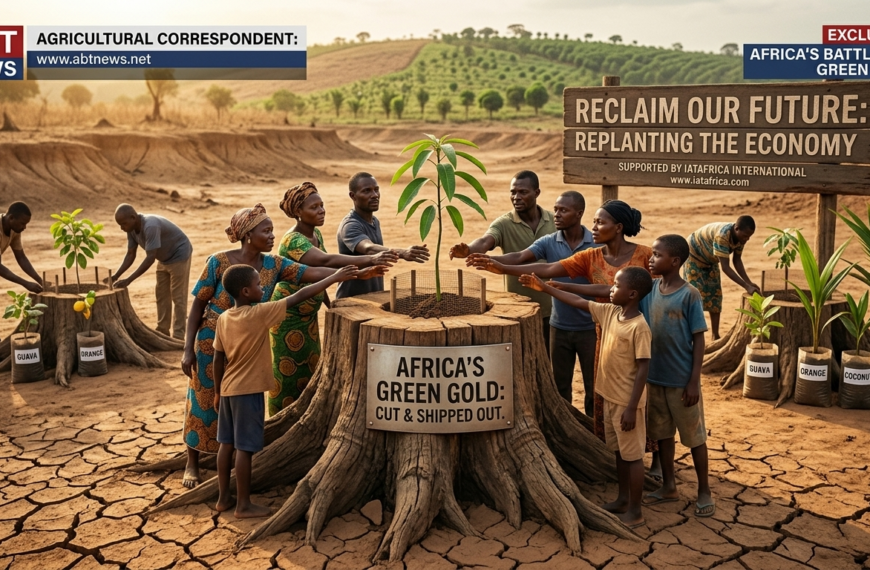
For import-dependent developing nations like Nigeria and much of Sub-Saharan Africa, this is a multi-layered economic nightmare.
Even if global agricultural commodity prices remain relatively stable on paper, the sheer cost of logistics—moving food from ports to markets—will force domestic food inflation to terrifying new heights. Farmers, crippled by the exorbitant cost of fertilizers, will inevitably produce lower crop yields, creating domestic scarcity that drives prices up even further.
The World Bank has already been forced to downgrade the growth forecast for emerging markets and developing economies from 4% down to 3.6% for 2026, while simultaneously revising inflation projections upward to 5.1%.
A Fragile World on the Brink
The global economy is already bruised from the lingering scars of the COVID-19 pandemic and the geopolitical fallout from the Russia-Ukraine war. The current Middle Eastern conflict is piling unbearable stress onto an already fractured system.
Beyond food and energy, desperation is creeping into other markets. Driven by extreme anxiety and “safe haven” demand, the World Bank projects precious metals (like gold, platinum, and silver) to surge by 42% to record highs, while natural gas benchmarks in Asia and Europe have already skyrocketed by 94% and 59% respectively.
The World Bank’s warning is not just a statistical forecast; it is a desperate plea for global intervention. If supply chains remain choked, shipping constraints persist, or extreme weather events strike, the cost of survival will slip out of reach for millions.
The clock is ticking. Unless geopolitical tensions ease and supply lines stabilize, 45 million people are standing on the precipice of a hunger crisis of unimaginable proportions.
Stay informed on the global economic shifts that matter. Keep reading www.abtnews.net.


 By
By