

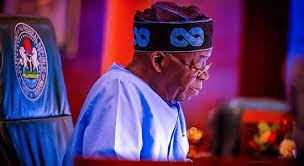

As the political clock ticks steadily toward the next presidential elections, the ruling All Progressives Congress (APC) finds itself at a critical crossroads. For President Bola Ahmed Tinubu, the very promises that paved his way to the presidency may now serve as his greatest undoing. In the unforgiving arena of politics, a promise made is expected to be a promise kept. The administration’s ambitious, vocal pledges to fix Nigeria’s chronic infrastructure deficits have inadvertently provided the opposition with the exact ammunition needed to shoot down a potential re-election bid.
The Power Paradox and a Stifled Economy
Since assuming office, revitalizing Nigeria’s power sector has been touted as a cornerstone of the Renewed Hope agenda. Yet, the reality on the ground remains a stark contrast to the grand visions of a fully illuminated nation. Inadequate, erratic, and dismal electricity supply continues to be the albatross around this administration’s neck.
Nowhere is this failure felt more acutely than in the manufacturing sector. Businesses are suffocating under the crushing weight of alternative energy costs (primarily diesel and petrol for generators), forcing many to downsize, relocate, or shutter completely. When the engines of industry grind to a halt because the national grid cannot sustain them, the ripple effects—unemployment, hyperinflation, and economic stagnation—are felt in every Nigerian home. The promise of reliable power has, for many, dimmed into the harsh reality of continuous national grid collapses.
A Nation Under Siege
Beyond the crippling infrastructure deficit, the government faces a severe, existential crisis of security. It is a tragic anomaly that routine massacres and the displacement of citizens within their own country have become normalized in daily news cycles. Bandits and kidnappers prowl highways, farmlands, and rural communities with alarming audacity, turning the country into a vast extortion enterprise.
The primary constitutional responsibility of any government is the protection of lives and property. When citizens can no longer sleep with both eyes closed, travel freely, or farm their lands without the fear of abduction or death, confidence in the leadership evaporates entirely. This dismal performance in securing the nation stands as a glaring indictment of the current administration’s strategy and will be a major focal point for voters.
Fiscal Indiscipline and The APC Conundrum
Compounding these existential threats is a growing concern over fiscal discipline. Budgets which are meant to be the blueprint for national development and poverty alleviation are frequently treated as mere suggestions rather than strict financial frameworks. The failure to adhere to budgetary constraints and the perceived bloated cost of governance further erode public trust, exacerbating the economic hardship faced by the average Nigerian.
Things have reached such a critical juncture that panic is quietly spreading through the corridors of the ruling party. Whispers are growing louder within the APC that sticking with the current ticket might be a guaranteed path to an overwhelming defeat. Pragmatists within the party are reportedly calculating whether fielding an alternative candidate is the only viable strategy to salvage their reputation and secure a better outing at the polls.
The Bottom Line
As we approach the end of this four-year mandate, the writing is on the wall. The combination of chronic power shortages, unchecked insecurity, and economic disconnect has created a perfect storm of public dissatisfaction. Unless there is a miraculous, tangible turnaround that addresses these systemic failures, President Tinubu should brace for the reality that a re-election bid rests on highly fragile ground. The Nigerian electorate is becoming increasingly unforgiving, and for the millions bearing the brunt of these unfulfilled promises, the ultimate verdict will be delivered at the ballot box.

 By
By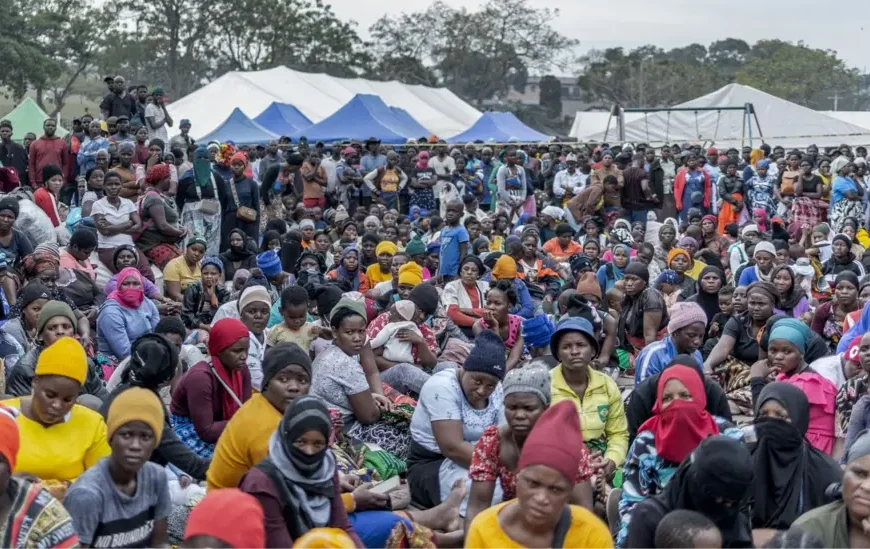










Well written article. thanks