
By ABT NEWS World & Environment Desk | November 22, 2026
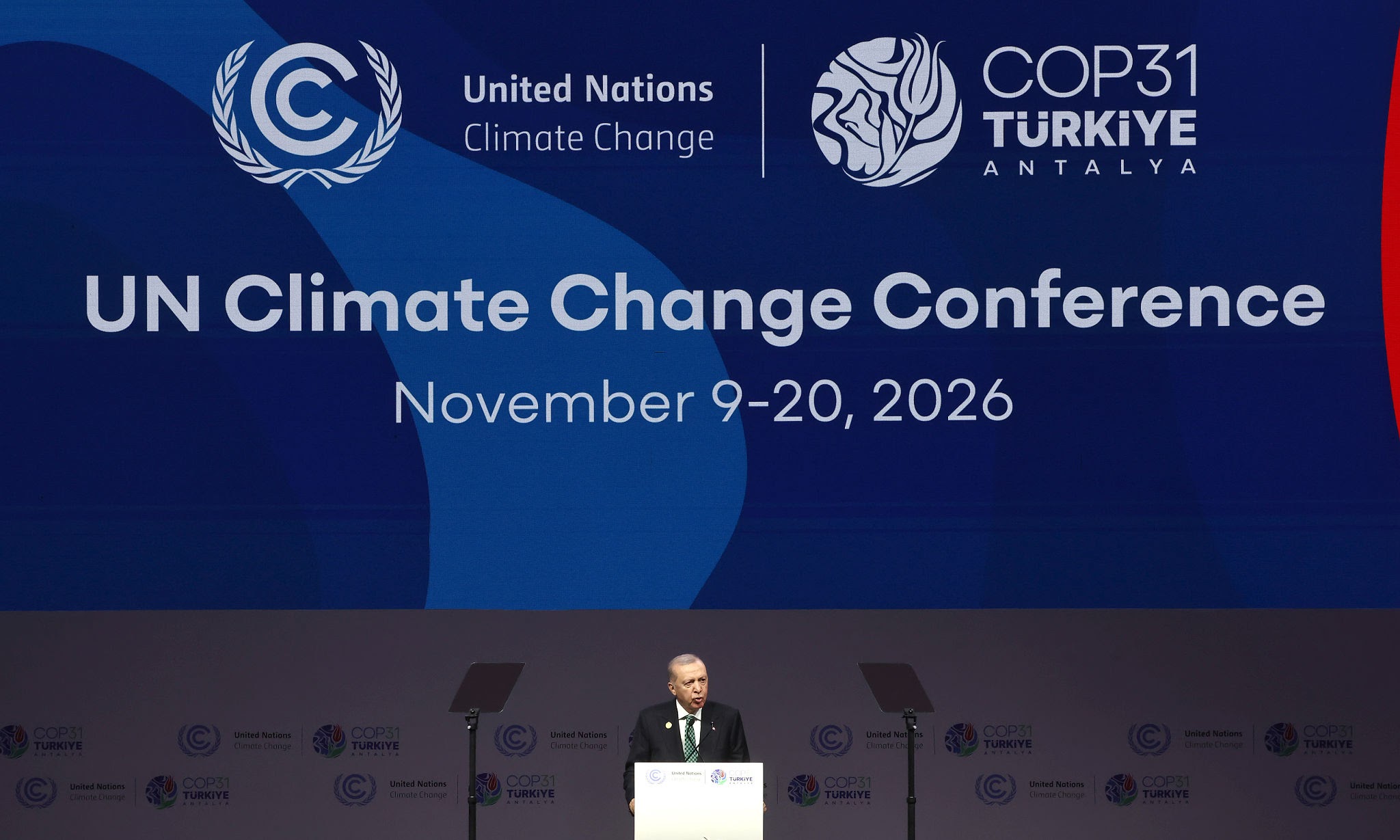
United Nations climate negotiations at COP31 in Antalya, Turkey, ended in dramatic failure on Sunday after nearly 200 nations failed to reach consensus on an overarching climate agreement.
Following a record-breaking 44 hours of overtime beyond the summit’s scheduled Friday close, the European Union, the United Kingdom, and a coalition of climate-vulnerable developing nations formally rejected a final draft text dubbed the Antalya Pact, because it failed to explicitly mention fossil fuels.
Turkish Environment Minister Murat Kurum, serving as COP31 President alongside Australian negotiations chair Chris Bowen, conceded in the closing plenary that the core decision could not be adopted. “It is clear that there are parties in this hall who oppose this text. We recognise that there is no consensus on this document,” Kurum told exhausted delegates as work crews had already begun dismantling the conference venue.
Why the Antalya Pact Failed: The Fossil Fuel Stand-Off
The central fault line throughout the two-week summit was whether the final agreement would uphold and accelerate the historic pledge made at COP28 in Dubai three years ago to “transition away from fossil fuels”.
- The Omission: While the 10-page final draft referenced the Dubai outcome indirectly, the words “fossil,” “oil,” “coal,” and “phase-out” were completely absent from the text. Welwyn Hatfield Times
- Carbon Capture Controversy: Instead of curbing oil, gas, and coal production, the draft promoted Carbon Capture, Utilisation, and Storage (CCUS), proposing a target to capture and store one billion metric tons of carbon—and emphasized broad electrification without mandating that electricity come from renewable sources.
- Opposition from Petrostates vs. Climate Leaders: Negotiators from climate-ambitious blocs accused major oil-producing nations, led by Saudi Arabia, of blocking any explicit language targeting fossil fuel phase-outs. Panamanian Environment Minister Juan Carlos Navarro bluntly accused a “petroleum mafia” of holding the talks hostage.
Key Reactions from the Plenary Floor
The rejection of the draft text sparked sharp divisions between wealthy emitters, fossil fuel producers, and developing nations on the front lines of extreme weather.
- European Union: Speaking on behalf of the EU, Ireland’s Climate and Energy Minister Darragh O’Brien drew applause when he formally objected to the text. “We will not endorse a cover decision, or an Antalya Pact, that does not even mention fossil fuels, which is the key driver of climate change,” O’Brien stated, adding that the bloc would “not accept negotiating backward in time”.
- United Kingdom: UK Energy Secretary Miatta Fahnbulleh called the collapse “immensely disappointing,” noting that the UK could not endorse a “lowest common denominator” deal that fell short of scientific necessity.
- Climate-Vulnerable Nations: Panama, the Marshall Islands, Vanuatu, Belize, and Norway joined the formal objections. Fiji’s Climate Minister Lynda Tabuya warned that the 1.5°C Paris warming limit remains the “limit of our survival” and criticized the lack of concrete adaptation finance.
- Developing Economies: China and representatives for the African bloc indicated they were willing to let the imperfect text pass to preserve multilateral momentum, though Ghana’s Environment Minister Zanetor Agyeman-Rawlings warned earlier in the week that Africa would not accept “declarations without the resources to deliver them”.
- Civil Society: Climate watchdogs and activists largely welcomed the rejection of a watered-down text over locking in weak commitments. Bill Hare, CEO of Climate Analytics, said countries were finally “standing up to fossil fuel interests and saying no”.
Summit Breakdown at a Glance
| Detail | COP31 Outcome |
|---|---|
| Host & Leadership | Antalya, Turkey (Co-chaired by Turkey’s Murat Kurum and Australia’s Chris Bowen) |
| Duration | November 9–22, 2026 (Ran 44 hours into overtime—the longest COP on record) |
| Core Deal Status | Rejected / No Consensus on the primary “Antalya Pact” cover decision |
| Main Sticking Points | Complete removal of fossil fuel phase-out language; reliance on carbon capture; lack of binding adaptation finance baselines (estimated at $305B/year) |
| Notable Absence | The United States did not participate directly in this year’s negotiations |
| Next Summit | COP32 in Addis Ababa, Ethiopia (November 2027) |
What Happens Next?
Although minor technical and procedural side decisions were gavelled through, the collapse of the core political declaration leaves global climate diplomacy in uncharted territory. Observers noted that the deadlock underscores deep structural flaws in the UN’s consensus-based decision-making model—a concern echoed by Peru and civil society leaders calling for urgent COP reform.
Negotiators now face two paths forward: reconvening for an emergency resumed session in Bonn, Germany, similar to the aftermath of the 2000 Hague climate collapse or deferring unresolved disputes over fossil fuels and the “Antalya-to-Addis Ababa” adaptation finance roadmap to COP32 in Addis Ababa, Ethiopia, in November 2027.



 By