
Following the fallout from the 2026 US midterm elections, the narrative surrounding Silicon Valley’s political defeat has sharpened. What began as an executive push for unbridled artificial intelligence expansion collided head-on with an angry, energy-strapped electorate.
The Data Center Dilemma: Rising Bills and Environmental Fallout
At the heart of the voter revolt was a simple household issue: skyrocketing utility costs.
As hyper-scale AI data centers mushroomed across the US, local electrical grids faced unprecedented strain. Utility companies passed the multi-billion-dollar infrastructure upgrade costs directly onto everyday consumers.
┌─────────────────────────────────────────────────────────────┐
│             VOTER CONCERNS & MIDTERM CATALYSTS              │
├──────────────────────────────┬──────────────────────────────┤
│ Cost of Living & Energy      │ ~84%-90% cited as top issue  │
│ AI Data Center Grid Strain   │ 56% voted on energy impact   │
│ Dow Jones Post-Election Drop │ Loss of 1,800+ points        │
└──────────────────────────────┴──────────────────────────────┘
Voters across suburban and rural districts rebelled against local land-use approvals for giant server farms. The issue wasn’t just higher electric bills; local communities raised alarms over massive water consumption for cooling systems, diesel generator pollution, and lost agricultural land. Candidates running on platforms to restrict data centers and force tech firms to pay for grid upgrades swept congressional seats.
Wall Street Bleeds: The Tech Stock Wipeout
The political shift sent shockwaves through financial markets. Anticipating tight regulation, local moratoriums, and mandatory cost-sharing on energy infrastructure, investors panicked.
- Market Reaction: The Dow Jones Industrial Average plummeted over 1,800 points in a historic post-election session, driven by a sharp sell-off in big tech, chipmakers, and energy stocks linked to AI infrastructure.
- Project Delays: Megaprojects designed to power next-generation frontier models hit immediate regulatory roadblocks, causing analysts to downgrade near-term growth projections for major tech conglomerates.
Will the US Play Second Fiddle to China in AI?
The sudden braking on data center construction sparked urgent warnings from tech executives: Will the US lose its AI lead to China?
┌─────────────────────────────────────────────────────────────┐
│             SUPERPOWER AI LEAD MATRIX (2026)                │
├──────────────────────────────┬──────────────┬───────────────┤
│ Metric                       │ United States│ China         │
├──────────────────────────────┼──────────────┼───────────────┤
│ Data Center Compute Capacity │ ~40x Lead    │ Lagging       │
│ Advanced Chip Performance    │ ~31x Lead    │ Restricted    │
│ Open Model Downloads         │ 22% Share    │ 78% Share     │
│ Frontier Model Lead Time     │ 6–9 Months   │ Narrowing     │
└──────────────────────────────┴──────────────┴───────────────┘
While analysts confirm the US still holds a 6-to-9-month lead in frontier AI models and maintains massive computational advantages (boasting roughly 40 times the total data center compute power of China), the gap is narrowing.
China controls a vast majority of critical mineral supply chains necessary for AI hardware and dominates global open-source model downloads. If US grid bottlenecks and political pushback stall domestic data center construction, industry leaders warn that American dominance could erode rapidly over the coming years.
What Became of Trump’s Super PAC Powerhouse?
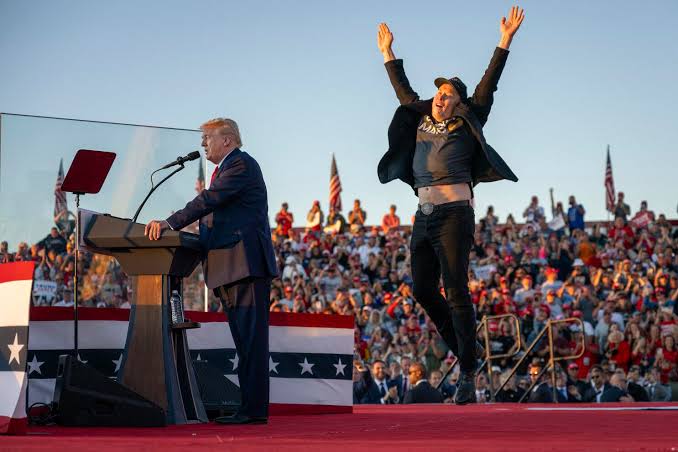
The unprecedented political war chest funded by Elon Musk and tech allies—totaling over $480 million—met an unexpected wall.
┌─────────────────────────────────────────────────────────────┐
│                 SUPER PAC FINANCIAL AUTOPSY                 │
├──────────────────────────────┬──────────────────────────────┤
│ Total Midterm Spend (Musk)   │ ~$483 Million                │
│ Strategic Focus              │ Federal Deregulation & AI    │
│ Actual Outcome               │ Congressional Shift          │
└──────────────────────────────┴──────────────────────────────┘
Despite record-breaking expenditures aimed at safeguarding tech deregulation and crypto policies, heavy spending backfired in key competitive races. The influx of mega-donor cash became a lightning rod for opponents, who successfully framed the choice as a battle between local working-class energy bills and billionaire tech interests.
Rather than cementing an era of unchecked deregulation, the Super PAC’s massive push ended up unifying bipartisan opposition around consumer energy protections, leaving tech oligarchs holding a record-breaking bill for a losing political campaign.
Artificial Intelligence Or Super Intelligence?
The 2026 midterm election results served as a direct populist rebuttal to President Trump’s September executive order renaming Artificial Intelligence (AI) to “Super Intelligence” (SI). The outcome highlighted three key takeaways regarding public perception and top-down technological rebranding:
1. Rhetoric vs. Reality on Household Energy
The administration framed “Super Intelligence” as an unstoppable, high-status national imperative. However, voters reacted to immediate local realities rather than rebranding terminology. Suburban and rural voters turned out heavily against local data center expansions that were spiking residential electric bills, straining power grids, and consuming massive water reserves. Changing the label from AI to SI did not alter the economic burden felt by everyday consumers.
2. Failure of Top-Down PR to Soften Anti-AI Sentiment
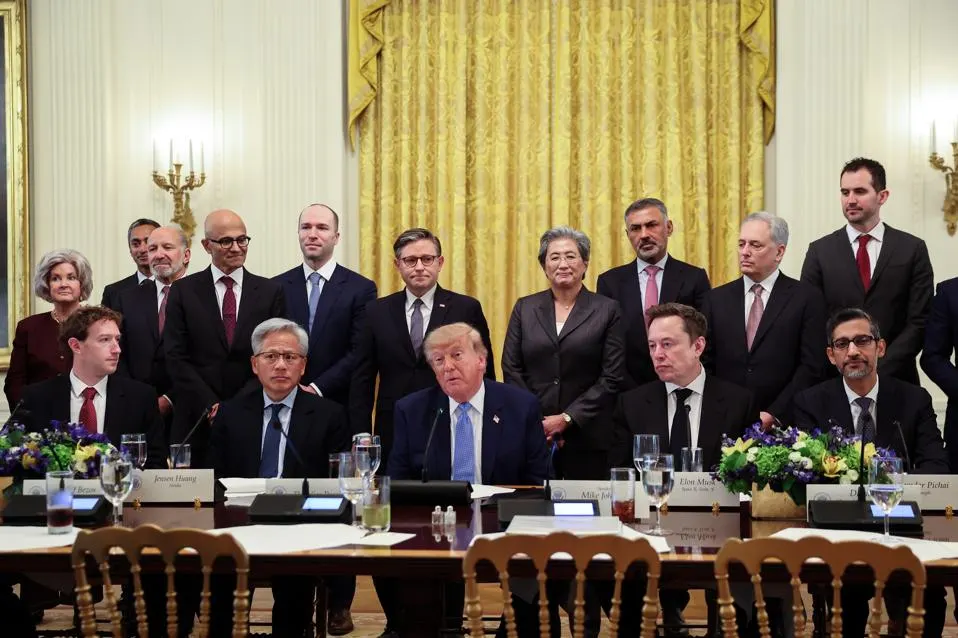
When signing the executive directive alongside Silicon Valley executives, Trump claimed that replacing “artificial” (which he described as sounding “fake” or like a “hoax”) with “super intelligence” would inspire trust and project dominance. Instead, the election showed that the rebrand was viewed by voters as cosmetic political gloss designed to protect big-tech deregulation.
3. Rejection of Unchecked Billionaire Super PAC Influence
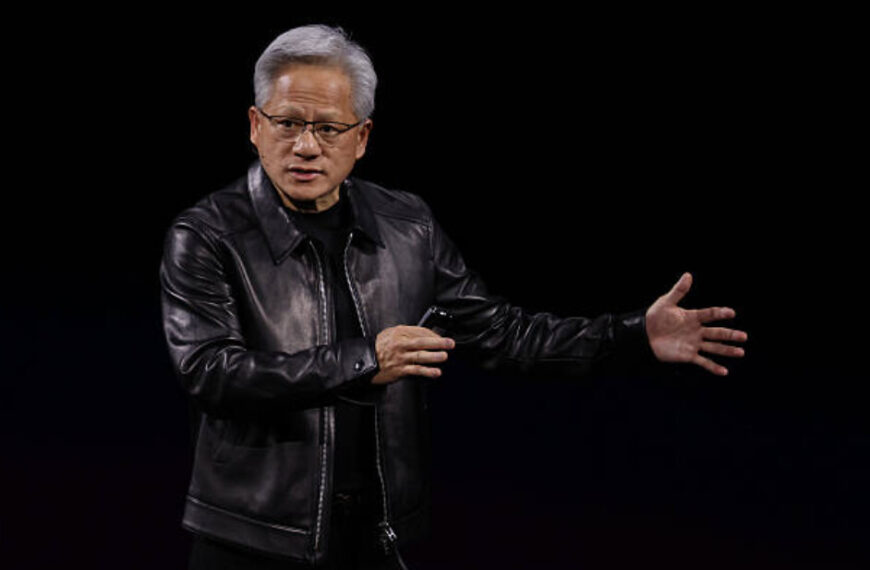
The election demonstrated that alignment with Silicon Valley moguls (who quickly adopted the “SI” moniker) alienated working-class voters. Spending hundreds of millions to promote tech-friendly policies failed to convince voters to overlook power-grid inflation, environmental concerns, and job anxiety.



 By