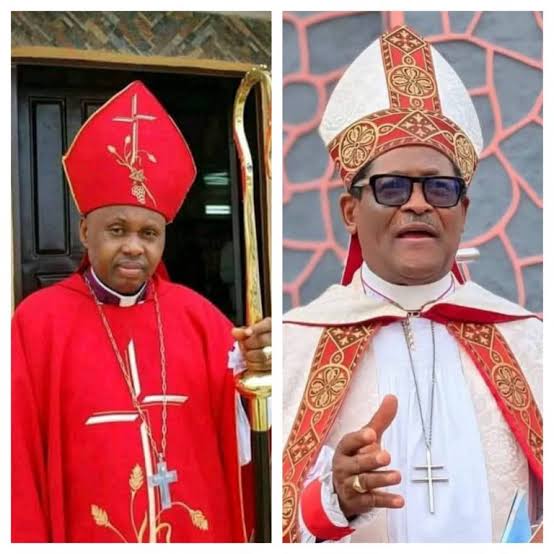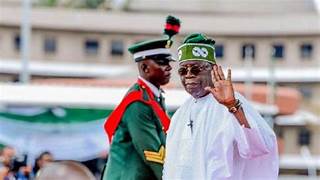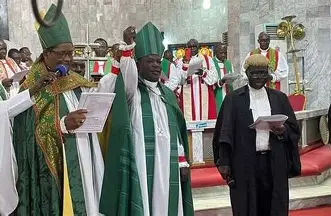

The ongoing crisis between the Archbishop of the Province of the Niger, Most Rev. Alexander Ibezim, and the Primate of the Church of Nigeria (Anglican Communion), Most Rev. Henry Ndukuba, represents one of the most critical constitutional and canonical tests for ecclesiastical authority in modern Nigerian history.
For legal practitioners, church administrators, and observers of corporate governance, the crisis raises fundamental questions about administrative powers, due process under canon law, and the jurisdictional threshold of civil courts over voluntary religious institutions.
1. Administrative Directive vs. Disciplinary Sanction
A primary legal fault line in this dispute hinges on how the Primate’s order is characterized:
┌──────────────────────────────────────────────┐Suspension
│ Primate Ndukuba's Directive │
└──────────────────────┬───────────────────────┘
│
┌─────────────────────────┴────────────────────────┐
▼ ▼
[ Church Primate's Position ] [Archbishop Ibezim's Position ]
• Administrative Measure •Punitive Sanction /
• Exercised under Section 29(1) •Subject to Sections 55,75-76 &Canon XVI
• Aims to safeguard Church integrity •Requires formal charge & proof of 10 offences
- The Primate’s Position: Church leadership relies on Section 29(1) of Chapter V of the Constitution and Canons of the Church of Nigeria (2020), arguing that directing a bishop to take a six-month leave is purely an administrative measure to facilitate an unhindered, impartial investigation by a visitation panel.
- Archbishop Ibezim’s Counter-Argument: Through his lead counsel, B.E.I. Nwofor (SAN), Ibezim argues that barring a bishop from officiating duties across a diocese and province constitutes a disciplinary sanction or suspension. Under Canon XVI (Sections 22–28) and Sections 55 & 75–76 of the 2020 Constitution, formal disciplinary actions require specific charges (from among the 10 enumerated ecclesiastical offences) and a trial before sanctions can be applied.
2. Jurisdiction of Secular Courts over Ecclesiastical Affairs
Historically, Nigerian courts maintain a cautious approach toward disputes inside voluntary associations and religious bodies (the doctrine of domestic remedies):
- The Voluntary Association Doctrine: Civil courts generally decline to intervene in internal disciplinary matters of religious organizations, provided the church acts within its own constitution and adheres to natural justice.
- The Due Process & Property Exception: Civil courts will assume jurisdiction when:
- Civil rights or property rights (such as the stewardship or disposition of diocesan land valued at ₦2 billion) are directly impacted.
- The internal procedures prescribed by the institution’s own constitution were allegedly breached or bypassed.
- Principles of natural justice (audi alteram partem — the right to a fair hearing) are threatened.
3. Key Canonical Issues under Judicial Review
| Canonical Question | Legal Significance | Key Statutory Reference |
| Legality of Visitation Panel | Whether the Primate can unilaterally constitute a panel to investigate an Archbishop without synodical or house-of-bishops ratification. | Constitution & Canons (2020), Ch. V |
| Scope of Administrative Powers | Distinguishing between emergency executive powers of the Primate and judicial/disciplinary powers reserved for ecclesiastical courts. | Canon XVI, Sec. 1–28 |
| Validity of Diocesan Dismissals | The legal effect of Archbishop Ibezim’s removal of Awka Diocesan Chancellor, Justice O. J. Okeke (retd), prior to the Primate’s directive. | Diocesan Constitutions & Canon Law |
4. Broader Governance Implications for the Church of Nigeria
                              ┌──────────────────────────────┐
                              │    IMPACTS ON THE CHURCH     │
                              └──────────────┬───────────────┘
                                             │
         ┌───────────────────────────────────┼───────────────────────────────────┐
         ▼                                   ▼                                   ▼
[Institutional Authority]    [Administrative Precedent ]  [Diocesan Stability & Trust ]
Erosion of episcopal deference    Clearer boundaries   Interim leadership
when internal disputes move       Primate emergency directives        and protection of diocesan
from synods to civil courts.     and formal canon trials.   real estate/financial assets.
- Precedent for Episcopal Discipline: A ruling by the civil court interpreting Canon XVI will establish a firm legal framework for how senior bishops, archbishops, and primates interact across all 165+ dioceses in Nigeria.
- Management of Diocesan Assets: The controversy underscores the necessity for tightened corporate governance, asset registries, and transparent land transaction protocols within diocesan boards of trustees.
- Institutional Reputation: Prolonged public litigation risks undermining public trust and creating factional divisions among clergy and laity within the Diocese of Awka and the Province of the Niger.
ABT NEWS Advisory: As the suit progresses through the court system, ABT NEWS will provide continuous analysis of the filings, court orders, and canonical interpretations.


 By
By