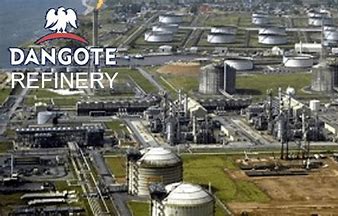

LAGOS — In a major twist to Africa’s most ambitious capital market exercise, the Dangote Petroleum Refinery and Petrochemicals FZE has officially announced a two-week extension for its initial public offering (IPO). Originally slated to close today, Tuesday, October 13, 2026, the application list will now remain open until October 27, 2026.
The extension, which has secured the green light from Nigeria’s Securities and Exchange Commission (SEC), has sent shockwaves through financial circles across the continent, triggering intense market speculation over the underlying health of the subscription, corporate debt rumors, and the sheer logistical complexity of mobilizing pan-African retail capital.
What Really Is At Stake?
At its core, the Dangote Refinery IPO is a watershed moment for African industrialization. Offering 4.1 billion ordinary shares at ₦525 per share, the multi-billion-dollar offering aims to raise between $1.6 billion and $2.1 billion to expand the Lagos refining complex, cement domestic energy security, and pivot Nigeria from a net fuel importer into a dominant continental exporter.
With a staggering valuation hovering near the $50 billion mark, the success of this IPO is not merely a corporate milestone for the Dangote Group—it is a litmus test for the depth of African capital markets and the viability of mobilizing millions of retail investors across borders.
Decoding the Extension: Undersubscription, Desperation, or Expansion Strategy?
Financial markets are rife with questions: Is the extension a sign of a sluggish, undersubscribed offering? Is it a desperate scramble for cash?
According to data compiled from leading financial markets and tracking platforms, the reality on the ground is nuanced:
- Record Retail Momentum vs. Logistical Bottlenecks:Market insiders report that the IPO has already achieved a historic milestone, breaching one million unique retail subscribers—a record-breaking figure for the Nigerian Exchange (NGX), heavily catalyzed by digital fintech apps like Bamboo and Moniepoint. However, matching this massive domestic enthusiasm with a seamless pan-African rollout has proved exceptionally challenging.
- The Pan-African Regulatory Maze:The primary driver behind the sudden extension is the complex web of cross-border regulatory approvals that lagged behind the initial timetable. While the offer opened on September 14, crucial regional participation channels were only formalized late in the game. For instance, Kenya’s Capital Markets Authority (CMA) only approved market access on October 5 via a Global Depositary Receipt (GDR) program managed by Renaissance Capital. Similarly, Uganda’s regulatory clearance through SBG Securities came late in the cycle, alongside rolling frameworks in Botswana, Zimbabwe, and Ghana.
- KYC and Account-Opening Backlogs:With a target of onboarding up to 10 million retail shareholders through 55 digital channels spanning 20 banks, mobile money operators, and 32 fintechs, compliance bottlenecks became inevitable. Investors across Africa faced strict Know-Your-Customer (KYC) verifications, cross-border remittance hurdles, and account-opening delays, prompting management to petition the SEC for more time.
Tackling the Rumor Mill: Is Aliko Dangote Heavily Indebted?
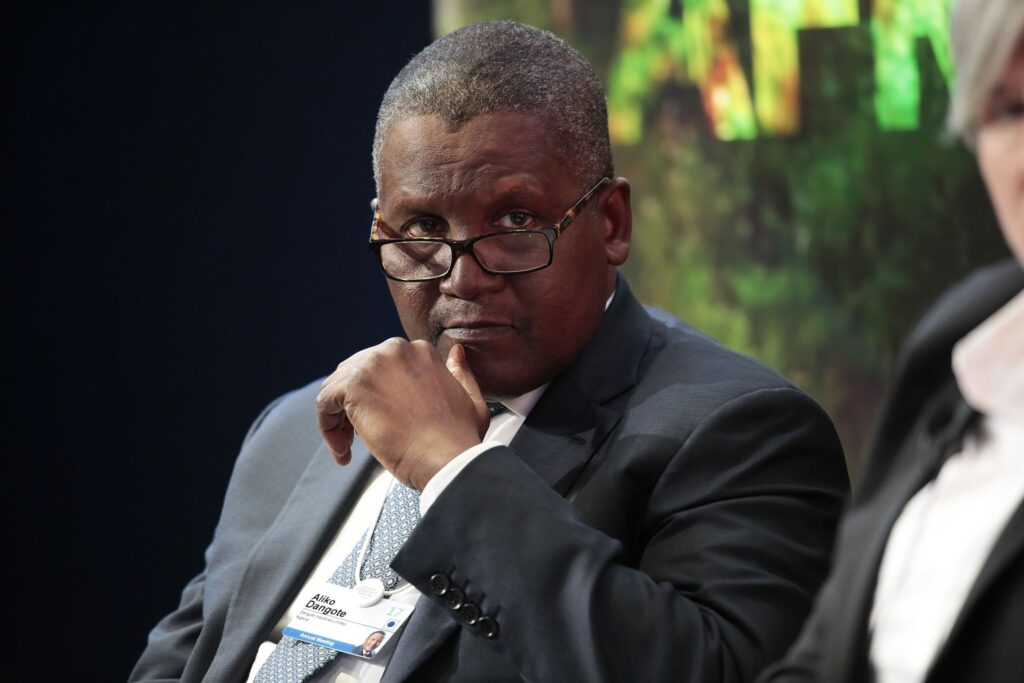
Market chatter has persistently whispered that billionaire industrialist Aliko Dangote is under severe liquidity pressure, weighed down by massive debt servicing obligations tied to the construction of the massive $20+ billion refinery complex, and is using the IPO as an emergency financial lifeboat.
While financial analysts acknowledge that the mega-refinery was funded through a heavy mix of commercial debt and equity that strained balance sheets during construction delays and foreign exchange volatility, corporate insiders firmly reject the “desperate bailout” narrative. Management frames the IPO as a long-planned strategic democratization of wealth and a mechanism to deleverage corporate balance sheets by bringing public equity partners into the asset. Nevertheless, critics point out that the sheer magnitude of the capital target makes ensuring maximum subscription vital, leaving little room for error.
Will the Extra Two Weeks Help?
The crucial question now is whether the additional 14 days will move the needle.
Financial analysts believe the extension will achieve its stated goal of capturing delayed regional capital. By lowering barriers—such as Kenya’s recent adjustment reducing minimum GDR entry thresholds—and granting brokers in East and Southern Africa time to clear account backlogs, the extra fortnight could unlock a significant wave of capital that was previously locked out by administrative red tape.
David Bird, Managing Director and CEO of the Dangote Petroleum Refinery project (DPRP), emphasized the inclusive vision behind the move:
“From the outset, our ambition has been to enable as many people as possible to participate in the IPO and share in DPRP’s future growth. The additional time will help us extend that opportunity to more investors across Africa.”
What Investors Need to Know Now
- New Closing Date: Tuesday, October 27, 2026.
- Offer Price: Maintained at ₦525 per share.
- Minimum Application: 10 shares (costing ₦5,250 basic).
- Market Impact: The revised timeline has consequently pushed back the projected allotment, refund schedules, and final listing on the Nigerian Exchange (NGX) to November.
As the clock ticks toward October 27, all eyes remain fixed on whether retail investors across the continent will fully absorb what is undeniably Africa’s most consequential equity offering of the decade.
Stay tuned to ABT NEWS (www.abtnws.net) for live financial market updates, expert commentary, and comprehensive coverage of the Dangote Refinery IPO saga.
Donations towards that are also welcome via PayPal using our email: info@abtnews.net



 By
By