
By ABT NEWS EDITORIAL BOARD
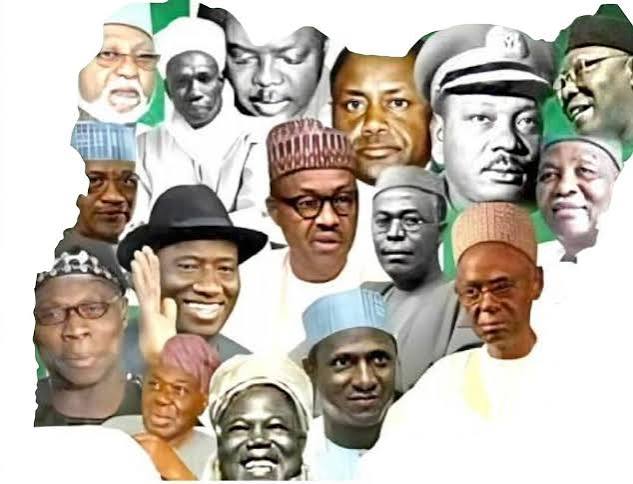
ABUJA — On October 1, 1960, the Union Jack was lowered, and a new green-and-white flag fluttered in the Lagos breeze. The promise of the newly independent nation was palpable. Sixty-six years later, as Nigeria marked its Independence Day this week, the fireworks were sparse, replaced by a sobering, collective sigh from a populace buckling under the weight of agony and sheer survival.
The Mood: A Painful Reminder of Hardship
Across social media and the streets of Lagos, Kano, and Port Harcourt, the sentiment is uniform: October 1 is no longer a day of jubilant celebration, but a painful reminder of skyrocketing living costs and unfulfilled potentials.
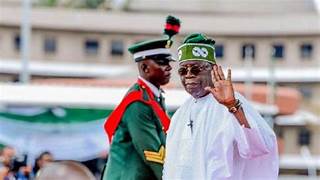
While President Bola Tinubu declared in his national broadcast that the “emergency treatment is over” and the nation has passed through its “Red Sea”, the everyday Nigerian is still drowning. For the masses, the 66th anniversary feels less like a milestone of freedom and more like a test of endurance against inflation, poverty, and insecurity.
1960 vs. 2026: Are Nigerians Better Off?
If one were to teleport a Nigerian from January 1960 to today, the technological leap would be undeniable, but the collapse of basic institutional dignity would be shocking.
In 1960, Nigeria boasted strong regional agricultural economies, functional public schools, and a profound sense of safety. Today, the dreams of the founding fathers remain largely deferred. While the nation has amassed staggering oil wealth over six decades, the baseline quality of life for the average citizen has drastically regressed. A middle-class existence, once defined by a car, a home, and three square meals, is now a luxury reserved for the upper echelons.
The Financial Picture: Paper Growth vs. Street Reality
In his 66th Independence Day address, President Tinubu highlighted that Nigeria’s economy grew by over 4% in 2026, non-oil exports exceeded $6 billion in 2025, and inflation had fallen from its peak. Macroeconomic stability may be earning applause from the World Bank, but citizens cannot eat GDP growth.
The cost of basic staples remains exorbitant. The purchasing power of the Naira has been so severely decimated in recent years that “falling inflation” merely means prices are rising slightly less catastrophically than before. For the market woman in Oshodi or the trader in Onitsha, the financial picture remains relentlessly bleak.
Energy and the Ultimate Elite Disconnect
Nothing illustrates the gaping chasm between the ruling class and the masses quite like the energy sector. In early 2026, Nigeria’s national grid collapsed yet again, plunging millions of citizens and businesses into total darkness. How did the government respond? The Presidency finalized a multi-billion-naira solar project to officially disconnect the Aso Rock Presidential Villa from the national grid by March 2026. While leaders shield themselves with taxpayer-funded independent green energy, citizens are left suffocating under the fumes of diesel generators and the crushing cost of fuel. The political class is entirely insulated from the consequences of their own governance.
Health, Education, and Security
The foundational pillars of the society are severely fractured:
- Hospitals and Schools: The nation is experiencing a chronic “brain drain.” Doctors, nurses, and educators continue to flee to the UK, Australia, US, and Canada in search of livable wages and functional facilities, leaving behind underfunded, ill-equipped hospitals. Public universities, historically the great equalizers, are under-resourced, leaving millions of youths with degrees but no viable economic pathways.
- Security: Perhaps the most devastating downgrade from 1960 is the loss of safety. Insecurity, banditry, and terrorism continue to ravage the countryside. Farmers cannot access their lands without risking their lives, a tragic reality that directly fuels the very food inflation the government is struggling to control.
Tribe and Religion: The Persistent Fault Lines
Sixty-six years on, Nigeria has yet to forge a singular, unshakeable national identity. The tribal and religious fault lines that triggered a devastating civil war in the late 1960s remain glaringly present. Rather than bridging these divides, the political elite frequently exploit them. Ethnicity and religion are reliably weaponized during election cycles to maintain power, dividing the masses and distracting them from their shared economic subjugation.
Conclusion: The Indomitable Spirit
How far has Nigeria come as a nation? It has survived military coups, a brutal civil war, and decades of staggering corruption. Its greatest asset is not crude oil, but the stubborn resilience of its people: a populace that continues to innovate, create, and thrive globally despite their government, not because of it.
At 66, Nigeria is a paradox: a giant burdened by its own leaders. Until the ruling class reconnects with the realities of the streets, and until the structural fractures of tribe and state are genuinely addressed, true independence for the everyday Nigerian remains an illusion waiting to be realized.

ABT NEWS Platform is absolutely free for all to enjoy. However please support us by grabbing a copy of the above eBook. A portion of the sales goes towards supporting girls to acquire AI skills. Donations towards that are also possible via PayPal using our email: info@abtnews.net

 By
By