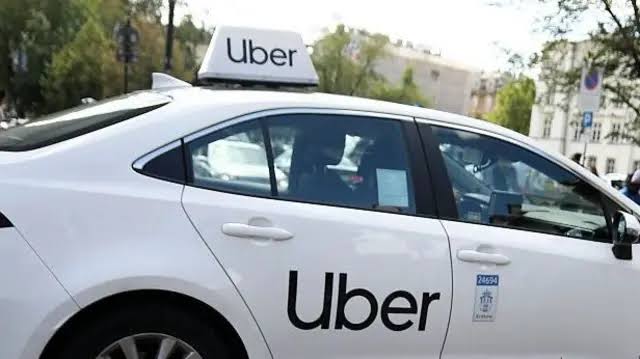

The streets of Lagos, Abuja, and major cities across the nation have been thrown into a frenzy! After 12 years of moving millions of Nigerians, global ride-hailing pioneer Uber has officially pulled the plug on its Nigerian operations, effective from September 2, 2026.
In a heartbreaking message to its loyal riders and drivers, the Silicon Valley titan announced it is packing its bags, citing a “thorough review of our business.” But what’s the real story behind this sudden exit? ABT News dug deeper to uncover the shocking truth!
The Massive Global Bloodbath: 3,300 Jobs Slashed!
While the official statement sent to Nigerian users painted a diplomatic picture of changing “business priorities,” broader internet investigations reveal a much bigger, more aggressive corporate restructuring. Uber is not just leaving Nigeria, it’s also shutting down in Uganda and ruthlessly slashing 3,300 jobs worldwide (roughly 10% of its global workforce).
Uber CEO Dara Khosrowshahi is drastically streamlining the company’s bloated corporate structure. The ultimate goal? Pivoting Uber’s investments away from human drivers in tough emerging markets and funneling that cash into the futuristic, highly lucrative world of autonomous vehicles and robotaxis.
The Nigerian Reality: Why They Really Ran
Since launching in Lagos in 2014 and expanding to cities like Ibadan, Port Harcourt, Kano, Enugu, and Uyo, Uber changed the face of Nigerian transport. But behind the scenes, the economics became overwhelmingly brutal:
- The Cost of Living Crisis: Squeezed consumer purchasing power, currency instability, and skyrocketing fuel costs turned the ride-hailing dream into a financial nightmare.
- Driver Rebellions: Uber faced relentless protests and strikes from Nigerian drivers choking under high commission rates while struggling to afford fuel and vehicle maintenance.
- The FAAN Face-off: The exit suspiciously coincides with recent, heated regulatory disputes with the Federal Airports Authority of Nigeria (FAAN) over e-hailing operations at airports, though Uber officially denies this was the final straw.
“Since we first launched in Lagos in 2014, it has been an absolute privilege to be a part of your daily life… We know this may cause disruption to your routine, and we sincerely apologize for the inconvenience,” Uber stated in its farewell email to users.
What Happens Next? The Battle for the Streets
With Uber’s multi-billion-dollar footprint suddenly vanishing, a colossal vacuum has been left behind in Africa’s most populous nation. Rival platforms like Bolt and inDrive are already sharpening their swords, ready to absorb thousands of stranded drivers and millions of riders scrambling for a new default app.
🚨 ATTENTION RIDERS & DRIVERS 🚨 If you have pending payments, wallet balances, or account issues, the clock is ticking! Uber has announced that its Nigerian help center will permanently close its virtual doors on September 23, 2026.
Is this a massive wake-up call for foreign investment in Nigeria, or just a tech giant making a ruthless pivot to AI? One thing is for sure, the daily Nigerian hustle just underwent a seismic shift. And it is yet to be seen if local replacements would step in to fill the vacuum. Time will tell!



 By
By