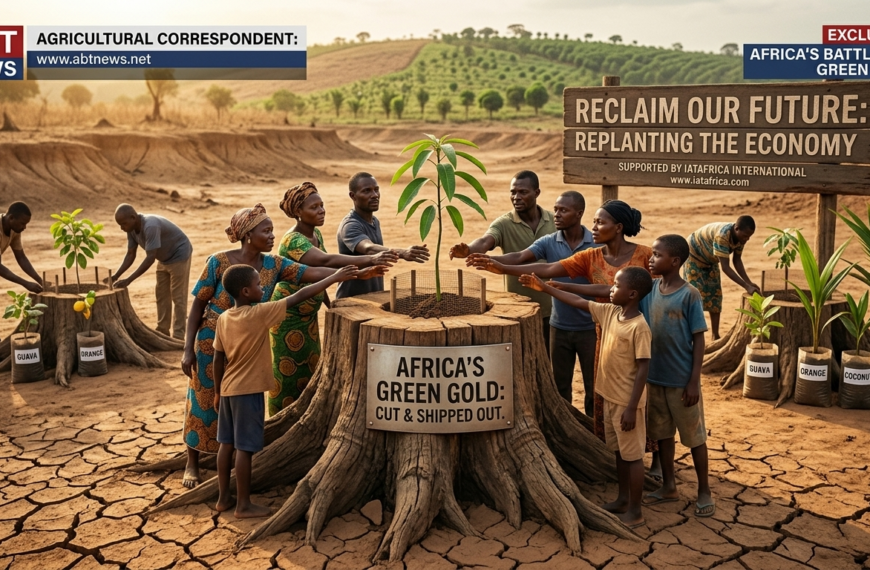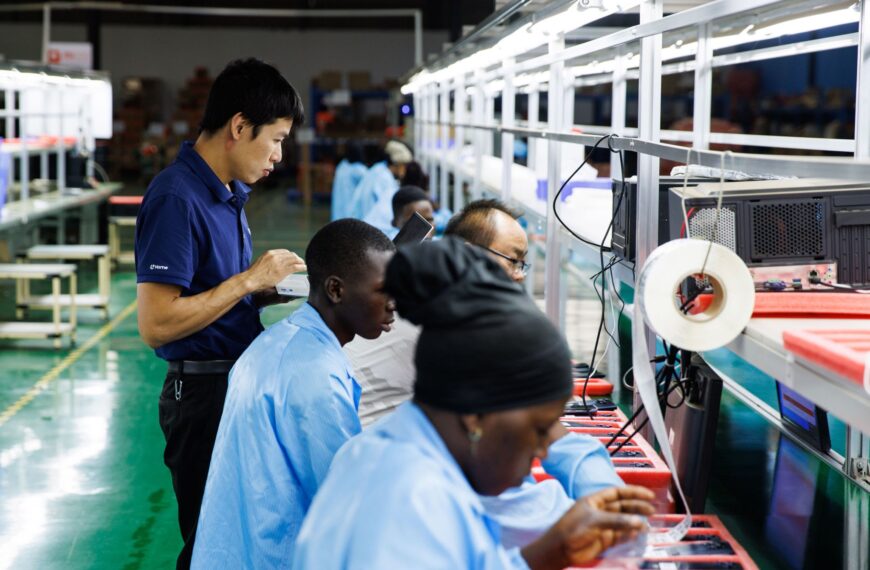

Africa holds an undeniable competitive advantage in some of the world’s fastest-growing agricultural commodities. For decades, the reality on the ground has been highly fragmented: millions of smallholder farmers producing raw materials with limited scale, volatile quality, and almost zero value addition. The bulk of the financial reward has historically bypassed the continent, captured instead by industrial processors in Europe, Asia, and North America.
But the status quo is cracking. A new wave of indigenous companies is proving that sustainable wealth creation requires moving up the value chain. By anchoring processing, corporate governance, and digital traceability at the village and regional levels, these enterprises are turning local raw materials into premium global exports.
Sorting Hibiscus (Zobo) in Nigeria. Source: The Guardian Nigeria News
Sunkpa Shea cooperatives in rural Ghana. Source: A Rocha International
Raw Cashews in Côte d’Ivoire. Source: CBI.
Baobab harvest in Senegal. Source: Aduna Superfoods
The Enterprises Leading the Charge
Four companies, in particular, are showing the world how to win globally by betting on Africa’s native superfoods:
- AgroEknor (Nigeria): Dominating the hibiscus (Zobo) export market, this impact-driven firm has built a highly structured, backwards-integrated value chain. By empowering over 5,000 smallholder farmers and utilizing advanced traceability systems to ensure stringent phytosanitary compliance, AgroEknor delivers premium dried hibiscus directly to global off-takers while retaining maximum economic value in Nigeria.
- The Savannah Fruits Company (Ghana): Disrupting the traditional raw-nut export model, this company decentralizes the processing of shea kernels through women-led cooperatives. Crucially, they are integrating blockchain traceability into their operations, formalizing rural economies and ensuring that the premium commanded by handcrafted, organic shea butter stays in the hands of the women who process it.
- Cashew Coast (Côte d’Ivoire): Founded in 2019, this Abidjan-based enterprise is reversing the deeply entrenched habit of exporting raw cashew nuts. By establishing a de facto leading facility for organic, traceable cashew processing right at the source, they are developing a high-margin retail brand that captures value before the product ever reaches foreign shores.
- Baobab Fruit Company Senegal (BFCS): Recognizing the “Tree of Life” as a global superfood long before the trend peaked, BFCS processes baobab fruit at the village level. Employing hundreds locally, their fully traceable, premium organic powders and oils create a direct economic incentive to protect the environment and halt deforestation.
The Next 15 Years: The Working Capital Bottleneck
While the operational blueprint has been proven, scaling these models 10x over the next 15 years presents a massive hurdle. The core friction isn’t global demand—it’s working capital.
In the agricultural sector, control of the first aggregation point dictates the market. A processor who pays cash to farmers at the village level, but must wait weeks or months for international shipment settlements, is forced to carry the entire season’s weight on their own balance sheet. The gap between payout and revenue inherently limits how many villages a company can cover and how many hectares can be planted.
To turn these “Fabulous Four” into four hundred, the ecosystem requires innovative enterprise financing, robust corporate governance to attract institutional debt, and risk-sharing mechanisms that don’t choke local processors with predatory interest rates.
Key insight: The transition from raw exporter to local processor often requires an initial dip in operational liquidity, making robust trade finance the most critical catalyst for Africa’s agribusiness renaissance.


 By
By