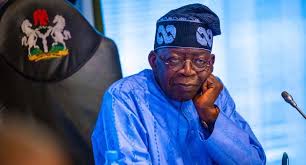

WASHINGTON D.C. — In a significant development surrounding the long-running legal battle over historical law enforcement records, U.S. District Judge Beryl Howell has rejected a full 10-day extension request filed by the U.S. Department of Justice—a motion formally joined by President Bola Ahmed Tinubu’s legal team. The court has now established a firm deadline of August 21, 2026, for both the U.S. government and the Nigerian President’s lawyers to file their responses.
The ongoing Freedom of Information Act (FOIA) lawsuit, spearheaded by transparency activist Aaron Greenspan, seeks access to 1980s and 1990s investigative documents from federal agencies, including the FBI and the Drug Enforcement Administration (DEA). These records pertain to a 1993 civil forfeiture involving approximately $460,000 surrendered to U.S. authorities.
While the agencies initially issued evasive “Glomar responses”, refusing to confirm or deny the existence of such files, Judge Howell ruled that these responses were improper, ordering the agencies to process non-exempt materials.
How Aso Rock is Taking the News
Publicly, the Presidency maintains an unshaken posture. Special Adviser on Information and Strategy, Bayo Onanuga, has dismissed the latest developments, asserting that the underlying FBI and DEA reports have been in the public domain for over three decades. According to Aso Rock, these decades-old documents produced no criminal indictment or conviction against the Nigerian leader, framing the renewed legal push as recycled political calumny.
However, behind the scenes, the active intervention of President Tinubu’s legal counsel in the Washington D.C. court underscores a calculated strategy. The administration is ensuring that standard privacy exemptions and procedural rights are vigorously upheld under U.S. federal law.
Implications for the 2027 General Elections
While the legal outcome in the U.S. carries no risk of disqualifying the President, especially after Nigeria’s Presidential Election Petition Court previously ruled that civil forfeiture does not constitute a criminal conviction under the Nigerian Constitution, the optics remain a potent tool for the opposition.
As the political machinery gears up for the 2027 electoral cycle, opposition networks are seizing upon each update from the U.S. District Court to maintain narrative pressure. This continued focus is designed to trigger spikes in public chatter and digital news engagement, even if it does not alter the structural dynamics of national governance.
As the August 21 deadline approaches, the release of these responses will finally clarify the exact scope of unredacted files the U.S. government must process, potentially closing a chapter on a controversy that has shadowed the Nigerian political landscape for years.



 By
By