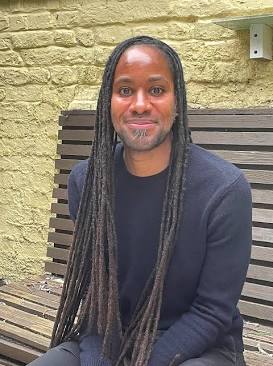

LONDON — Jason Arday, the barrier-breaking sociologist who inspired countless individuals as the University of Cambridge’s youngest-ever Black professor, has tragically passed away at the age of 41.
A man whose life story was defined by overcoming impossible odds, Arday’s sudden death has sent shockwaves through the academic world, raising urgent questions about the intense pressures, public scrutiny, and deeply personal attacks faced by high-profile figures in modern academia.
How He Died
According to the Metropolitan Police, Arday was found unresponsive at an address in Battersea, South London, on Friday afternoon. Paramedics from the London Ambulance Service were called to the scene, but he was tragically pronounced dead shortly after their arrival.
Authorities have stated that while the exact medical cause of death is yet to be determined by a coroner, they are currently treating his passing as “unexpected, but not believed to be suspicious”.
The Heavy Toll: Why He Died
While the physical cause of death remains under official investigation, the emotional and psychological context surrounding his passing paints a heartbreaking picture of a brilliant mind pushed beyond its limits.
Just days before his death, Arday stepped down from his prestigious role as Professor of Sociology of Education at Cambridge. His resignation followed weeks of intense media pressure and public accusations regarding his academic work and personal background. Rather than being afforded the grace of a fair academic review, Arday became the target of what his loved ones and supporters have described as a relentless smear campaign.
In a devastating statement released through his publisher, Simon & Schuster U.K., Arday’s family articulated the unbearable weight he had been carrying:
“The campaign of misinformation was too much for Jason, who was a gentle man and who always wanted to see the best in everyone. We are in shock to have lost this amazing father, partner, brother, uncle, and son… [He was] subjected to a campaign of sustained abuse by those who would leave no stone unturned in their quest to undermine him.”
In his own poignant resignation letter published earlier in the week, Arday cited the “relentless accusations, speculation, and public commentary” that had taken a profound toll on him and his family. He noted that his decision to step away was not an admission of the narratives surrounding him, but “simply the decision of someone who has reached the limits of what any person should reasonably be expected to endure”.
A Legacy of Triumph and Hope
Before the controversies that clouded his final weeks, Jason Arday was, and remains, a powerful symbol of perseverance. Born to Ghanaian immigrants in London, Arday was diagnosed with autism and developmental delays. He was unable to speak until he was 11 years old and did not learn to read or write until he was 18.
Despite these profound challenges, he pursued higher education with a relentless spirit, ultimately securing two master’s degrees, a PhD, and a history-making appointment at one of the world’s most elite universities by the age of 37. His journey provided hope to marginalized students, neurodivergent individuals, and anyone who had ever been told their dreams were out of reach.
Cambridge Vice-Chancellor Deborah Prentice expressed that the university is “desperately saddened” by the tragic news, offering heartfelt sympathies to his family.
Jason Arday’s death is a profound loss to the educational community. It serves as a stark and tragic reminder of the human cost of public vitriol, and the vital need for compassion over condemnation. He is survived by Debbie McKenzie who he married in 2014 and their 2 children.



 By
By