
The European Union Deforestation Regulation (EUDR) is the most sweeping regulatory shift the global confectionery industry has ever faced. After intense political debate, the European Commission delayed the regulation’s rollout, establishing December 30, 2026 as the new compliance deadline for large- and medium-sized operators, and June 30, 2027 for micro and small enterprises.
Despite this breathing room, the structural changes required by the law are already triggering massive shifts in the cocoa supply chain. Here is a breakdown of how the EUDR will reshape the lives of West African smallholders and the retail cost of a chocolate bar.
1. The Impact on Cocoa Farmers: A Digital and Economic Divide
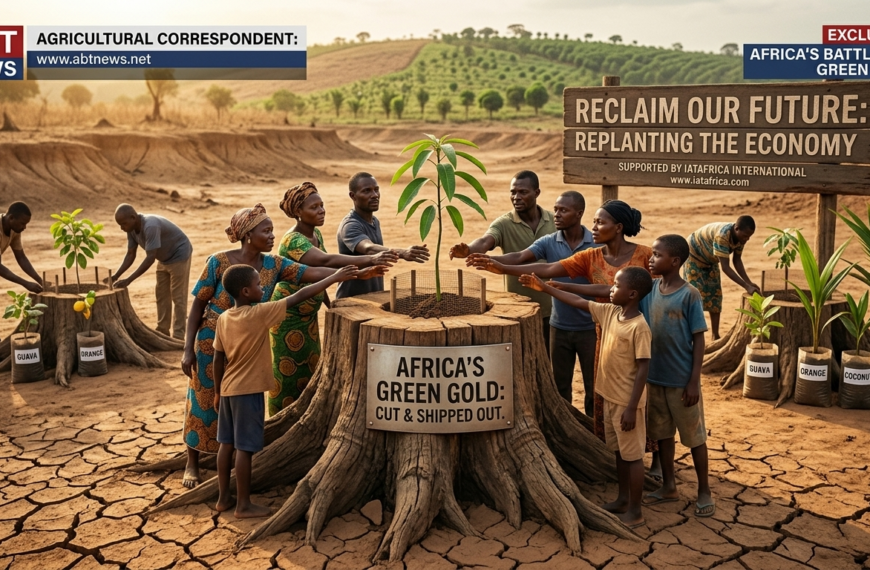
The EUDR requires any company selling cocoa in Europe to prove the beans did not come from land deforested after December 31, 2020. Doing so requires precise GPS “polygon” mapping of every single plot of land. For West Africa’s estimated five million smallholder farmers, this creates immense hurdles.
The Traceability Gap
In the standard cocoa supply chain, only about 35% of cocoa is sourced directly from tracked cooperatives. The remaining 65% is sold through an opaque web of local middlemen (pisteurs), who mix beans from hundreds of different farms. Tracing these indirect supplies back to a specific plot of land is incredibly difficult and highly expensive.
Customary Land Rights
The regulation requires proof that the cocoa was produced legally under the local laws of the origin country. In Côte d’Ivoire and Ghana, formal land titles are rare—about 80% of Ghanaian land is held under customary tenure, and only 4% of rural land in Côte d’Ivoire is formally certified. While farming on these lands is completely legal, smallholders often lack the formal paperwork required to satisfy strict European customs audits.
The Threat of Market Bifurcation
Experts warn the EUDR could split the cocoa trade into a “two-tier” market:
| Compliant Supply Chain (The EU Market) | Non-Compliant Supply Chain (The Leakage Market) |
|---|---|
| Sourced from mapped, well-funded cooperatives. | Sourced from unmapped or forest-adjacent smallholders. |
| Commands a premium price to offset compliance costs. | Sold at deeply discounted rates to less regulated markets (e.g., China, India, domestic). |
| Backed by major multinational buying power. | Leaves vulnerable farmers with significantly diminished bargaining power. |
The Cost of Mapping: Fairtrade International estimates that a single farmer cooperative needs between €5,000 and €15,000 to implement basic geolocation and data collection systems—costs that are frequently pushed down onto the farmers themselves.
2. The Impact on Global Chocolate Prices: Volatility Meets Structural Cost
The commodity market for cocoa has been highly volatile. After historic peaks exceeding $10,950 per metric tonne in early 2025, prices experienced a sharp correction in early 2026, dropping below $4,000 per metric tonne due to rising yields in Ecuador and global oversupplies.
However, consumers should not expect cheaper chocolate at the grocery store. The cost of compliance will keep retail prices high for several reasons:
- The Segregation Premium: To ensure compliance, trading houses must build separate, parallel supply chains to keep EUDR-compliant cocoa completely segregated from non-compliant beans at every stage—from the village warehouse to the shipping vessel. This double-handling adds permanent structural costs.
- Corporate Risk-Hedging: Failing to comply with the EUDR carries severe penalties, including fines of up to 4% of a company’s EU-wide annual turnover. Chocolate manufacturers are pricing this compliance and legal risk directly into their retail products.
- Product Reformulation: To protect profit margins, major food brands are increasingly relying on “shrinkflation” (reducing bar sizes while maintaining prices) or reformulating recipes. This includes using cocoa alternatives (such as fermented sunflower seed fats or lab-grown cocoa) and lowering the overall percentage of cocoa butter in mainstream confectionery.
The Path Forward
For the newly formed Cocoa Value Addition Alliance in West Africa, the race is on. To prevent their smallholders from being locked out of the European market (which imports nearly 60% of West African cocoa), nations like Côte d’Ivoire and Ghana are rapidly developing national, state-backed traceability databases.
If successful, these national platforms will democratize compliance, allowing smallholders to protect both their forest ecosystems and their access to the world’s most lucrative chocolate market.

For 10% price discounts, Use this link https://t40perfumes.com/discount/ABTNEWS


 By
By