 Skip to content

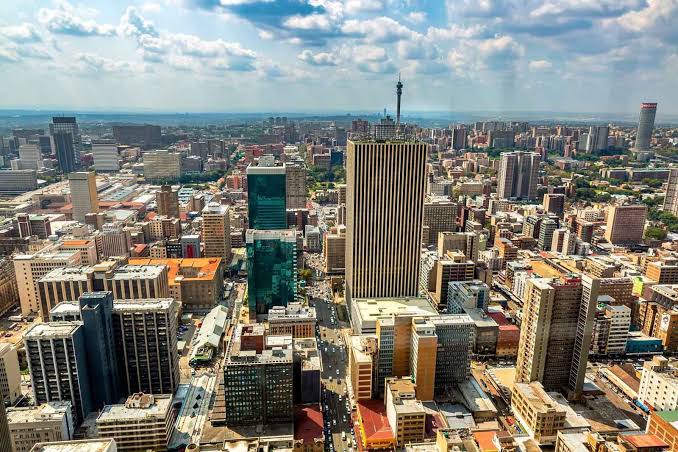

Across the African continent, a profound demographic shift is reshaping the landscape of its major cities. Driven by economic growth, a desire for space, and the pursuit of homeownership, Africa’s new middle class is increasingly putting down roots in the suburbs.
For a glimpse into the continent’s future, one no longer needs to look strictly at the bustling, hyper-dense centers of megacities like Lagos, Nairobi, or Johannesburg. Instead, the real transformation is unfolding at the edges of these burgeoning metropolises. According to recent analysis by The Economist, the outward expansion of African cities is happening at a breakneck pace as upwardly mobile professionals seek a better quality of life away from congested urban cores.
The Push to the Periphery
Historically, the narrative of African urbanization has often focused on rapid rural-to-urban migration leading to dense city centers and informal settlements. However, the contemporary story is increasingly defined by the outward migration of a rising middle class.
Skyrocketing real estate prices in prime city locations, coupled with a desire for more living space, modern amenities, and secure environments, are driving families toward the urban periphery. These new suburban enclaves offer what many view as the ultimate milestone of financial stability: a freestanding home, a patch of green space, and distance from the noise and pollution of the inner city.
A Tale of Two Suburban Developments
The growth of these suburban areas is largely taking two forms. On one end of the spectrum are master-planned, gated communities spearheaded by private developers. These large-scale “satellite cities” often come equipped with their own independent power grids, water supplies, shopping malls, and private security—effectively bypassing the municipal infrastructure shortfalls of the broader city.
On the other hand, much of the suburban sprawl is organic and self-driven. Middle-income earners are purchasing plots of land on the edges of cities and building their homes incrementally over several years. While this offers a viable, debt-free path to property ownership for many, it frequently results in sprawling neighborhoods that expand much faster than local governments can pave roads, lay water pipes, or expand public transport networks.
The Urgent Need for Urban Planning
This rapid suburbanization presents a critical challenge for local governments. As urban development experts emphasize, cities are facing a stark reality: it is infinitely better to plan for an urban future now than to react after the fact.
When suburban expansion outpaces municipal planning, the consequences are costly. Commute times skyrocket as residents rely on inadequate road networks to reach jobs in the city center, leading to daily gridlock. Furthermore, uncoordinated development often encroaches on vital agricultural land and natural greenbelts.
To prevent these suburbs from becoming disconnected urban sprawl, experts argue that governments must prioritize proactive urban planning. This includes investing heavily in mass transit systems to seamlessly connect the periphery to the core, zoning for mixed-use developments so suburbs can serve as local economic hubs, and ensuring basic utilities are mapped out before new neighborhoods become densely populated.
The Road Ahead
The rise of the African suburb is a powerful testament to the continent’s growing economic resilience and the evolving aspirations of its citizens. The middle class is no longer just navigating the urban landscape; they are actively dictating how and where the built environment expands.
However, realizing the full potential of this demographic shift will require visionary leadership and massive infrastructure investment. If managed correctly, these burgeoning edges won’t just be the sprawling outskirts of overcrowded cities—they will become dynamic, organized engines of Africa’s future economic growth.
For more in-depth coverage on African economics, urban development, and global trends, stay tuned to ABT NEWS.


 By
By