
By ABT NEWS (www.abtnews.net)
The global coconut industry is no longer just about raw exports and domestic consumption — it has evolved into a massive, multi-billion-dollar engine driven by health-conscious consumers, veganism, and the international beauty industry.
For African farmers and agribusinesses, the window of opportunity is wide open. The global coconut derivatives market was valued at $32.18 billion in 2025 and is projected to skyrocket to a staggering $83.39 billion by 2034, expanding at an 11.16% compound annual growth rate (CAGR). Even conservative estimates place the core coconut products market on track to reach $18.6 billion to $24 billion by the early 2030s.
Yet, despite ideal tropical climates and massive coastal expanses, West African nations are only just beginning to capture their share of this lucrative trade. Here is a data-driven look at how African coconut farmers — particularly those in powerhouses like Nigeria and Ghana — can pivot to maximize profits in the US and international markets.
The West African Landscape: A Tale of Two Exporters
Africa currently produces roughly 2.2 to 2.3 million metric tons of coconuts annually. However, production and export strategies vary wildly across the region.
- Ghana: Currently leading the charge, Ghana produces over 544,000 tonnes annually (nearly 24% of the continent’s output). The Ghanaian government recently distributed over three million improved seedlings, with plans to distribute 11 million more to double cultivation areas to 180,000 hectares by 2028.
- Nigeria: Holding steady as Africa’s fourth-largest producer, Nigeria harvests roughly 224,000 metric tonnes annually. Historically, this output has been absorbed entirely by domestic consumption.
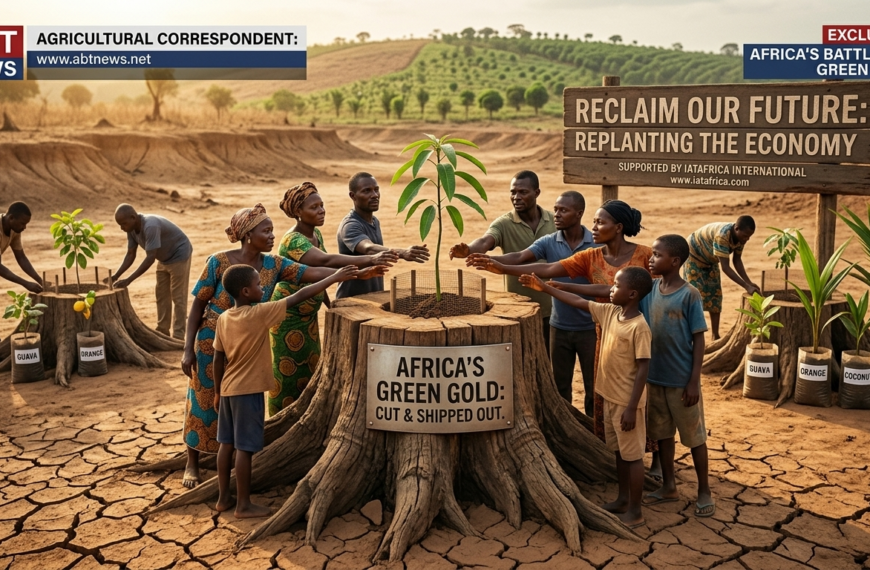
However, Nigeria is aggressively turning the tide. The Lagos State Coconut Development Authority (LASCODA) recently launched an intensive push to build an integrated “coconut economy.” In the past year, Lagos has trained over 2,100 stakeholders — including farmers, marketers, and processors — and even listed coconut development under its newly floated Green Bond to generate carbon credits while expanding exports.
3 Ways African Farmers Can Dominate the US Market
The United States is currently experiencing a massive surge in plant-based food and clean-label cosmetic demand. Private labels (like Costco’s Kirkland or Trader Joe’s) now account for 22% of all US coconut product sales. To capture this wealth, African farmers and processors must rethink their approach.
1. Stop Selling Raw Nuts; Pivot to Processing
The days of exporting raw, de-husked coconuts for pennies on the dollar must end. The highest profit margins lie in coconut derivatives.
- Coconut Water: Projected to be the fastest-growing segment, coconut water is heavily demanded by North American consumers as a premium, natural sports recovery drink.
- Virgin Coconut Oil (VCO): The US cosmetic and skincare industry’s consumption of coconut oil has jumped to 1.79 million metric tons, driven by its anti-aging and moisturizing properties.
- Dairy Alternatives: Coconut milk and cream are replacing animal dairy in vegan diets globally.
By investing in local extraction and processing (such as NFC — Not From Concentrate — technology for water), farmers and regional cooperatives can multiply their revenue per harvest.
2. Capitalize on “Clean Label” and Organic Certifications
US consumers are willing to pay a premium for products that align with sustainable agriculture and clean-label movements. A recent study published in Plants, People, Planet revealed that “lower-intensity management” of coconut plantations — which allows ground vegetation to thrive — actually increases crop performance, improves soil biodiversity, and suppresses harmful pathogens.
By avoiding heavy chemical fertilizers and securing organic certifications, African producers can bypass mid-tier pricing and sell directly to premium international health food brands.
3. Upgrade to High-Yield, Disease-Resistant Seedlings
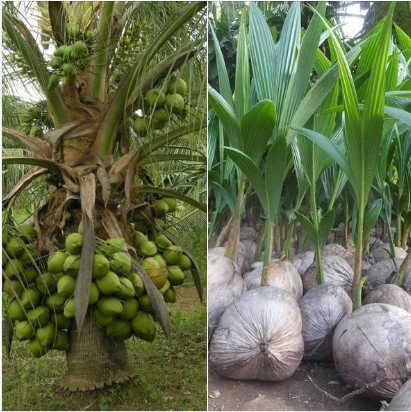
A major bottleneck for African production is aging plantations and pest infestations. Farmers must partner with research institutions like the Cocoa Research Institute of Nigeria (CRIN) or local agricultural ministries to secure improved seedlings. Replacing unproductive, decades-old trees with modern, high-yield varieties ensures a consistent supply chain capable of meeting strict international export thresholds.
The Bottom Line
“Selling unprocessed coconuts keeps farmers trapped at the lower end of the value chain,” notes Peter Boamah Otokunor, Ghana’s Director of Presidential Initiatives in Agriculture. “The future lies in processing, packaging, branding and exporting premium coconut products to international markets.”
For African coconut farmers, the roadmap is clear. By embracing sustainable farming, leveraging government support programs, and focusing relentlessly on value-added processing, the continent is perfectly positioned to turn its coastlines into the next major hub of the $83 billion global coconut boom.


 By
By