
Earley, England — An ABT NEWS SPECIAL REPORT (www.abtnews.net)
You lock your doors. You install antivirus software. You use complex passwords. But what happens when the hacker doesn’t target your computer, but targets you?
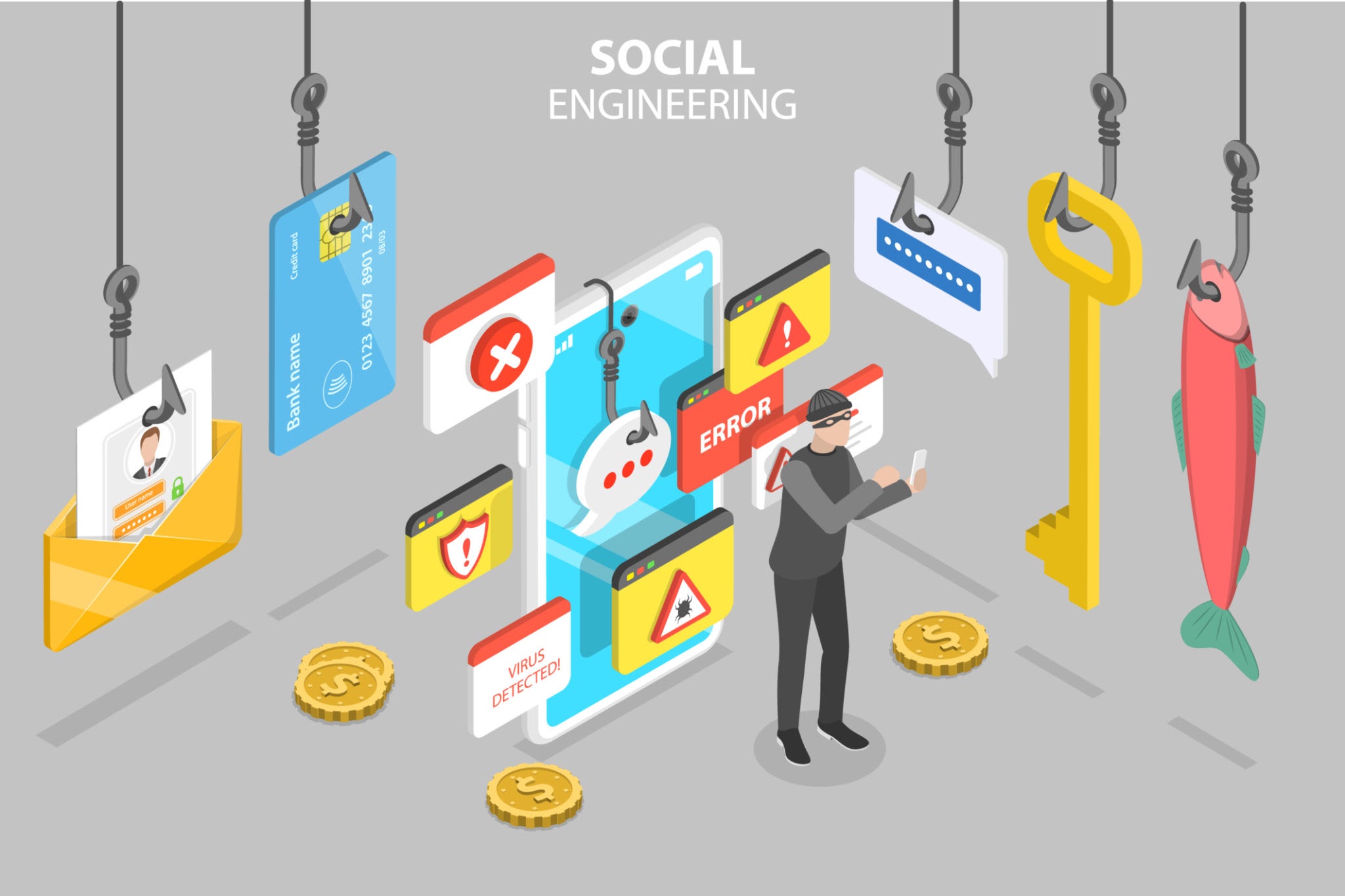
Welcome to the terrifying world of Social Hacking (also known as Social Engineering) — the fastest-growing and most devastating weapon in the modern cybercriminal’s arsenal. These aren’t lone wolves typing code in a dark basement. They are psychological manipulators who bypass billion-dollar security systems simply by convincing human beings to open the gates.
Who is Pulling the Strings? (The Attackers)
The perpetrators behind these psychological attacks are not petty thieves; they are highly organized, well-funded, and utterly ruthless.
- Organized Cyber-Cartels: Massive criminal syndicates operate like Fortune 500 companies, complete with HR departments and scripts written by behavioral psychologists designed to trigger fear, urgency, or greed in their victims.
- State-Sponsored Threat Actors: Hostile foreign intelligence agencies use social hacking to breach critical infrastructure, steal national secrets, and paralyze hospital networks.
- Insiders & Disgruntled Employees: Sometimes the call is coming from inside the house. Rogue employees use their understanding of corporate trust to manipulate colleagues into handing over access codes.
Who is in the Crosshairs? (The Victims)
The terrifying truth? Everyone. The days of obvious, poorly spelled scam emails are over. Today’s attacks are laser-targeted.
- The Elderly (Grandparent Scams): Attackers clone the voices of grandchildren using artificial intelligence, calling grandparents in the middle of the night claiming to be in jail and needing immediate bail money wired via cryptocurrency.
- Corporate Executives (Whaling): Hackers spoof emails from CEOs, ordering junior finance team members to urgently wire millions of dollars to “secret” offshore vendor accounts to close a massive, confidential deal.
- Everyday Citizens (Smishing & Phishing): You receive a text from what looks exactly like your bank, or a delivery service claiming a package is stuck. One click on a malicious link, and a fake login page harvests your credentials in seconds.
How Can This Epidemic Be Stopped?
Fighting back requires shifting our focus from pure software defense to human defense.
- Zero-Trust Architecture: Corporations and governments are moving to “Zero Trust” networks. The core philosophy: never trust, always verify. Even if a CEO’s exact login credentials are used, the system demands secondary biological or hardware verification before granting access.
- AI Threat Detection: Next-generation security tools scan the context of communications, flagging emails or messages that display unnatural urgency, subtle changes in a sender’s typical tone, or suspicious financial requests.
- Aggressive Public Awareness: Much like the public health campaigns of the 20th century, stopping social hackers requires widespread, relentless education on the latest psychological tricks being used in the wild.
How to Bulletproof Yourself
You are the final firewall. Here is exactly how to stop a social hacker in their tracks:
- The “Slow Down” Rule: Social hackers rely on creating a false sense of panic or urgency (e.g., “Your account will be suspended in 5 minutes!”). If a message demands immediate action, assume it is an attack. Breathe, step back, and investigate.
- Never Trust the Caller ID: Hackers can spoof phone numbers to make it look like your bank, the IRS, or the police are calling. If someone calls demanding sensitive information or money, hang up immediately. Find the official number on the back of your credit card or their official website, and dial it yourself.
- Lock Down Your Digital Footprint: Hackers build custom attacks by harvesting your social media. If your LinkedIn shows you just started a new job, you are a prime target for a fake “Welcome from the CEO” email. Keep your profiles private and stop oversharing personal details.
- Enforce Hardware MFA: Passwords are dead. Ensure your most sensitive accounts (email, banking) require Multi-Factor Authentication (MFA) via an authenticator app or a physical security key, not just a text message which can be easily intercepted.
Stay vigilant. Stay suspicious. For more breaking coverage on the digital threats targeting your family and finances, keep it locked to ABT NEWS at www.abtnews.net.
Please send all advertising, compliance and data protection enquiries to advertise@abtnews.net or +447918790290


 By
By