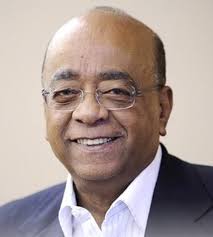

KHARTOUM / LONDON — When Sudanese-born entrepreneur Sir Mohammed Fathi Ahmed Ibrahim, known globally as “Mo” Ibrahim, first pitched the idea of building a massive mobile telecommunications network across Africa in the late 1990s, the global financial elite laughed him out of the room. Western investors saw a continent plagued by infrastructure gaps, economic instability, and extreme risk.
They missed the point entirely.
“The demand was obvious,” Ibrahim recently recalled. “People wanted to communicate, to do business, to connect with their families. Opportunity was there. Too many people could not see it. Which was our luck.”
From $16 Million to a $3.4 Billion Empire
Ibrahim didn’t let the skepticism slow him down. Having already founded Mobile Systems International (MSI), a successful software and consulting firm, he took matters into his own hands and launched Celtel in 1998.
The growth that followed was explosive. By breaking down barriers and deploying infrastructure where none existed, Ibrahim proved that Africa wasn’t just a viable market—it was one of the most lucrative on the planet.
- Year One: Raised $16 million to acquire initial operating licenses.
- The Five-Year Mark: Secured over $415 million in capital, rapidly expanding services across 13 African nations.
- By 2004: Celtel boasted 5.2 million active customers, pulling in $614 million in revenue and netting a staggering $147 million in pure profit.
- The Exit: In 2005, just weeks before his 59th birthday, Ibrahim sold Celtel to Kuwait’s Mobile Telecommunications Company (now Zain) for $3.4 billion.
Showing just how valuable the foundation he built truly was, those same African operations were later sold to Bharti Airtel for a monumental $10.7 billion. Looking back now at the age of 80, Ibrahim reflects on his journey with a simple takeaway: “Celtel taught me a simple lesson: Africa is a great place to invest.”
Turning Point: Moving from Aid to African Capital
For Ibrahim, the days of relying on foreign aid and international charity are drawing to a necessary close. He views recent widespread international aid cuts not as a tragedy, but as a constructive wake-up call for local leaders and domestic institutions.
“Aid is not dead, but it is coming to an end, if only because security has now taken precedence over solidarity. But the end of aid is not the end of the world for our continent.”
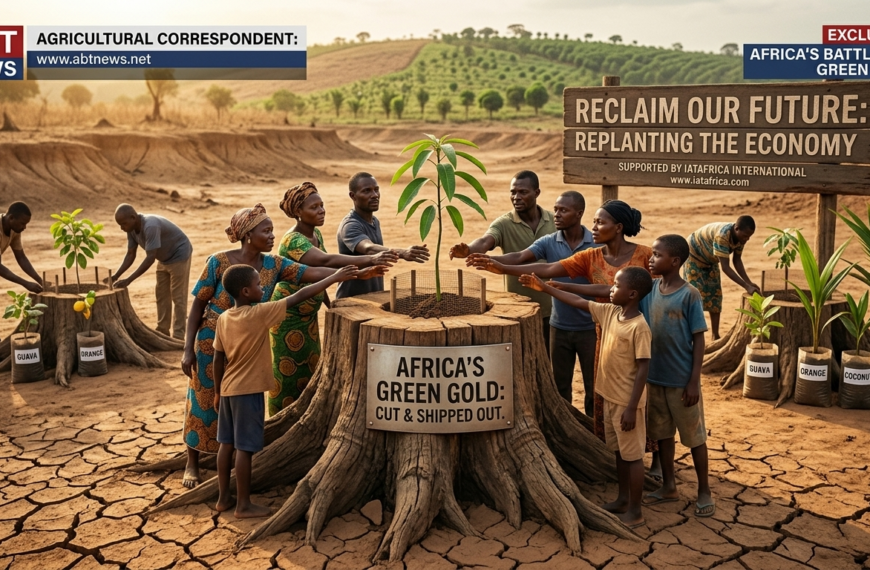
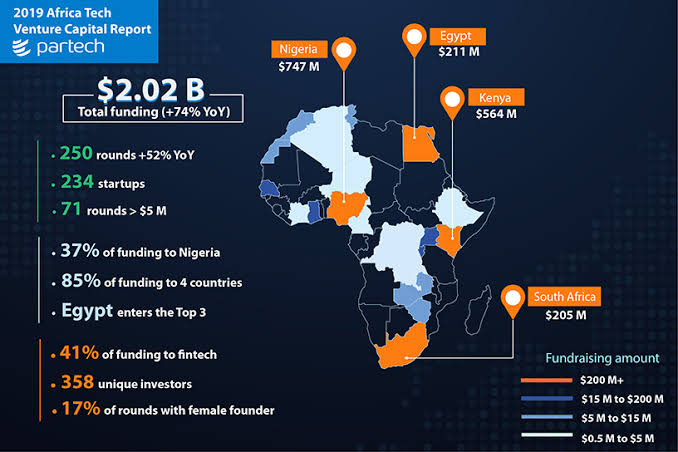
The real challenge, he notes, is mobilising the vast, untapped wealth that already exists within Africa’s borders. Currently, only 14% of Foreign Direct Investment (FDI) into African markets comes from African capital itself—a metric Ibrahim calls “ridiculous.”
He argues that the continent can rapidly unlock its own financial independence by focusing on key areas:
- Stemming Illicit Financial Flows: An estimated $90 billion is illegally drained out of Africa every single year—a sum that completely eclipses the total amount of official foreign aid flowing in.
- Reforming Tax Structures: Africa’s average tax-to-GDP ratio sits at roughly half the OECD average. Strengthening internal tax collections would inject billions back into local healthcare, infrastructure, and schooling.
- Smarter Asset Management: Properly leveraging domestic pension funds, sovereign wealth resources, and massive local commodities (like critical minerals and renewable energy assets).
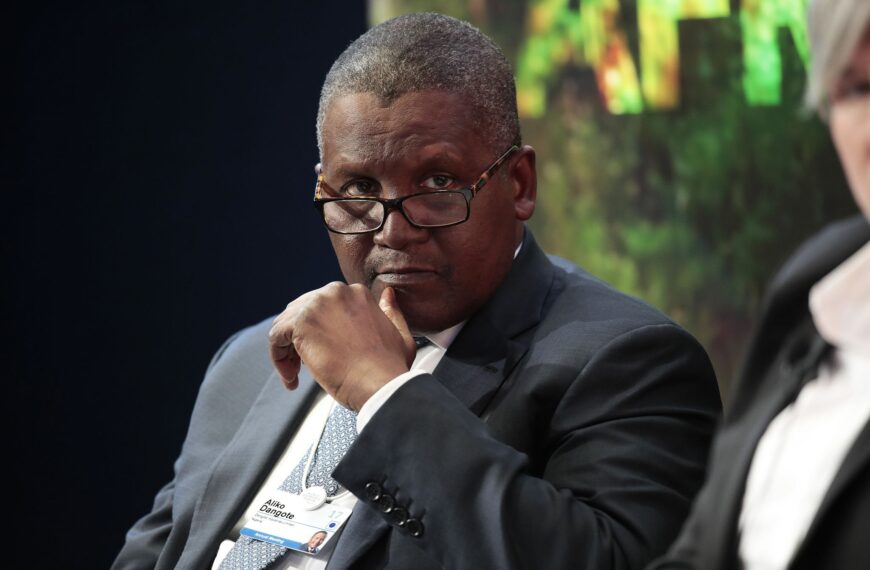
To prove what home-grown capital can achieve, Ibrahim points directly to his close friend, Nigerian billionaire Aliko Dangote. Dangote single-handedly backed the construction of a massive $19 billion oil refinery in Nigeria to provide regional energy security when international players hesitated. “Nobody believed in this initially,” Ibrahim said. “And now he is already thinking about the next one… Yes We Can. Africa First.”
A Legacy of Governance and a Message to the Youth
After stepping away from telecom, Ibrahim transitioned his wealth into systemic change. In 2006, he launched the Mo Ibrahim Foundation, introducing the Ibrahim Index of African Governance to score and hold African nations accountable to their citizens. He firmly believes that without public trust, transparency, and the rule of law, economic growth cannot survive long-term.
While he acknowledges uneven progress and valid frustrations regarding political inclusion, his ultimate outlook remains fierce and unwavering. When asked what he considers Africa’s greatest opportunity, his answer is immediate: its youth.
To the next generation of African creators, innovators, and disruptors looking to build the future, the billionaire offers a stirring call to action:
“Africa is the world’s last new frontier. And it’s yours. Opportunities, innovation, drive for change: all these are in Africa. Be bold, be confident, be autonomous. The floor is yours.”
Stay tuned to ABT NEWS for Business insights, Breaking News and Trending News. Please send all advertising enquiries to advetise@abtnews.net or +447918790290

 By
By