
UMUAHIA, NIGERIA — The narrative surrounding Abia State is shifting rapidly. Long regarded as an untapped goldmine of industrial potential, the state government is now aggressively executing a blueprint to push Aba—the region’s commercial heartbeat—onto the global map. By intentionally capitalizing on the city’s legendary artisanal clusters in garment making, manufacturing, and leatherworks, the administration is transforming local talent into an export-ready powerhouse.
For decades, the artisans of Aba operated in the informal shadows, producing millions of high-quality shoes, belts, and bags annually under intense structural deficits. Today, that narrative is changing. The state is pursuing international standardization, introducing automated equipment to artisanal hubs, and establishing robust export pipelines to ensure “Made-in-Aba” products comfortably compete on global retail shelves.
Breaking the Power and Infrastructure Jinx
What truly sets this current push apart from past rhetoric is the deliberate layout of structural foundations. Manufacturing requires two non-negotiables: durable roads and steady electricity.
The breakthrough came with the activation of the 188-megawatt Geometric Power Plant in Aba. By unlocking near-continuous electricity for the industrial hubs, small and medium enterprises (SMEs) have slashed their dependence on expensive, polluting diesel generators. Coupled with the massive reconstruction of historically neglected economic arteries—such as Port Harcourt Road, Cemetery Road, and Omuma Road—goods can finally flow smoothly out of the factories to broader West African and international markets.
The Otti Factor: Chronicling an Extraordinary Governance Shift
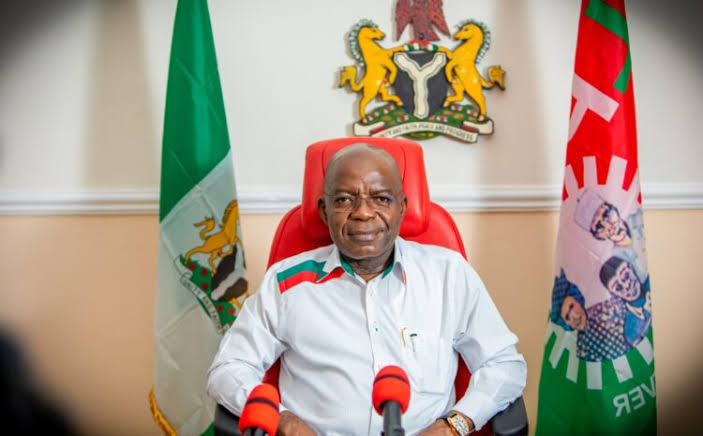
The driving force behind this industrial awakening is Governor Alex Otti, whose entry into office marked a distinct departure from old-guard administrative styles. Since taking the reins, Otti has approached governance with a combination of corporate fiscal discipline and deliberate grassroots development.
Key milestones that have come to define his administration include:
- Financial Integrity & Worker Welfare: Prior to his tenure, Abia civil servants and retirees were plagued by multi-month backlogs of unpaid salaries and pensions. Otti instituted a digital verification sweep that weeded out ghost workers, establishing a strict rule where state workers and pensioners are paid consistently on or before the 28th of every month.
- Decisive Security Reforms: Recognizing that capital flees insecurity, the administration launched Operation Crush, a multi-agency security initiative that successfully dismantled notorious kidnapping and criminal rings along major transit corridors like the Lokpanta axis.
- Health and Education Revitalization: The administration has driven targeted structural renovations across primary health centers and general hospitals, matching physical cleanups with budgetary increases for schools and equipment.
Peer Review: How Does Alex Otti Compare to Other Nigerian Governors?
When placed side-by-side with the current crop of Nigeria’s 36 state governors, Alex Otti consistently finds himself ranked among the upper echelon of high performers, particularly in public perception and project execution speed.
Here is how his style and achievements contrast with the broader political landscape:
| Performance Metric | The Typical State Trend | The Alex Otti Approach in Abia |
| Project Funding | Heavy reliance on massive commercial loans and debt accumulation for vanity projects. | Prioritization of internally generated revenue (IGR) optimization and matching funds directly to high-yield economic infrastructure. |
| Civil Service Care | Chronic delays, selective payments, and accumulation of legacy pension debts. | Institutionalized, automated payment schedules with a clear path toward eliminating historical backlogs. |
| Industrial Strategy | Superficial trade fairs and political promises without fixing fundamental issues. | Direct focus on foundational enablers—such as securing independent power grids (Geometric Power) and building heavy-duty access roads. |
While some states struggle under the weight of political patronage networks that drain public coffers, Otti’s background as a top-tier banker has allowed him to treat public funds as investment capital. He stands out not because he has access to the largest budget in Nigeria—Abia’s allocation is modest compared to oil-rich Niger Delta states—but because his resource allocation strategy yields exceptionally high visibility and direct economic returns for everyday citizens.
Abia State is proving that when structural neglect is replaced with competent, intentional leadership, local industries like Aba’s leatherworks can confidently look toward conquering the global stage.
All advertising enquiries should be sent to advertise@abtnews.net or +447918790290


 By
By