
By ABT News Desk | Health & Psychology
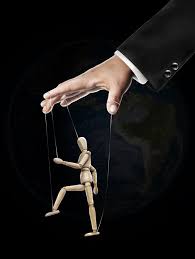
We all like to believe we are the sole authors of our decisions. Whether it’s negotiating a raise, deciding where to eat, or agreeing to a favor, we feel firmly in the driver’s seat. But behavioral psychologists and body language experts warn that our choices are often being subtly steered by those around us—and usually, we don’t even notice.
Recent insights into the psychology of human interaction reveal how subtle tweaks in phrasing, body language, and timing can bypass a person’s conscious defenses, essentially “controlling” the outcome of an interaction without raising any red flags.
Here is a look at the most common psychological strategies used to influence people under the radar.
1. The “Illusion of Choice”
One of the most effective ways to get someone to do what you want is to let them think it was their idea to begin with. This is done by offering an “illusion of choice.”
Instead of making a direct demand—which often triggers a natural defensive resistance—influencers will offer two options that both lead to their desired outcome. For example, rather than saying, “We need to meet today,” a manager might ask, “Would you prefer to meet at 2:00 PM or 4:00 PM?” The target’s brain immediately focuses on choosing between the two times, entirely bypassing the option of not meeting at all.
2. The Power of “Mirroring”
Humans are biologically wired to trust people who are similar to them. In social psychology, “mirroring” involves subtly copying a person’s body language, speech patterns, or posture.
If someone leans in, you lean in. If they speak softly, you lower your volume. When done flawlessly, the other person’s subconscious registers this mimicry as a sign of safety and alignment. It builds instant rapport and makes the target significantly more likely to agree to requests, simply because they feel a deep, unexplained affinity toward the person mirroring them.
3. The Benjamin Franklin Effect
Counterintuitively, if you want someone to like you and be more malleable to your suggestions, you shouldn’t do a favor for them—you should ask them to do a small favor for you.
Coined “The Benjamin Franklin Effect,” this psychological phenomenon occurs because of cognitive dissonance. When someone does you a favor (like lending a pen or giving a quick piece of advice), their brain rationalizes the action by concluding, “I just helped this person, therefore I must like them.” Once they have established that they like you, they become much easier to influence in the future.
4. Strategic Silence
In negotiations or difficult conversations, most people are deeply uncomfortable with silence and will rush to fill the void. Master influencers use this to their advantage.
After making an offer or stating a boundary, they simply stop talking and wait. The resulting awkward silence often forces the other person to nervously fill the gap, frequently resulting in them negotiating against themselves, volunteering too much information, or conceding to a point they originally intended to fight.
The Fine Line: Influence vs. Manipulation
While these techniques can be incredibly effective in boardrooms and everyday life, psychologists urge caution. The line between positive influence (like guiding a team toward a shared goal) and toxic manipulation is entirely dependent on intent.
Using psychological levers to create win-win scenarios is a hallmark of strong leadership and emotional intelligence. However, utilizing them to exploit others for one-sided personal gain crosses into manipulation, ultimately destroying trust once the “target” realizes they’ve been played.
For more insights on psychology, health, and human behavior, stay tuned to the Mind & Body section at ABT News.


 By
By