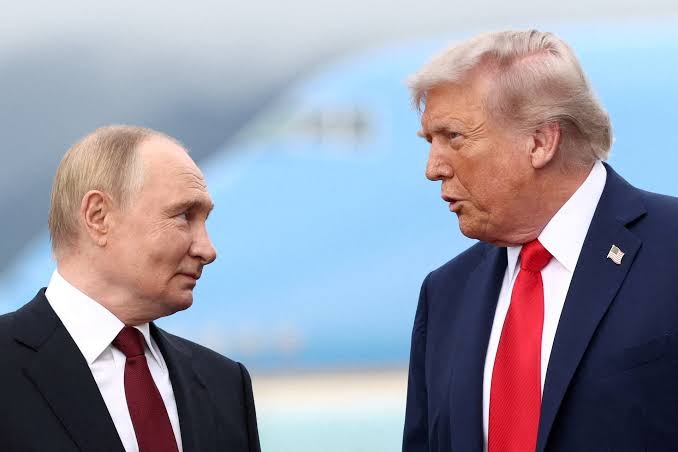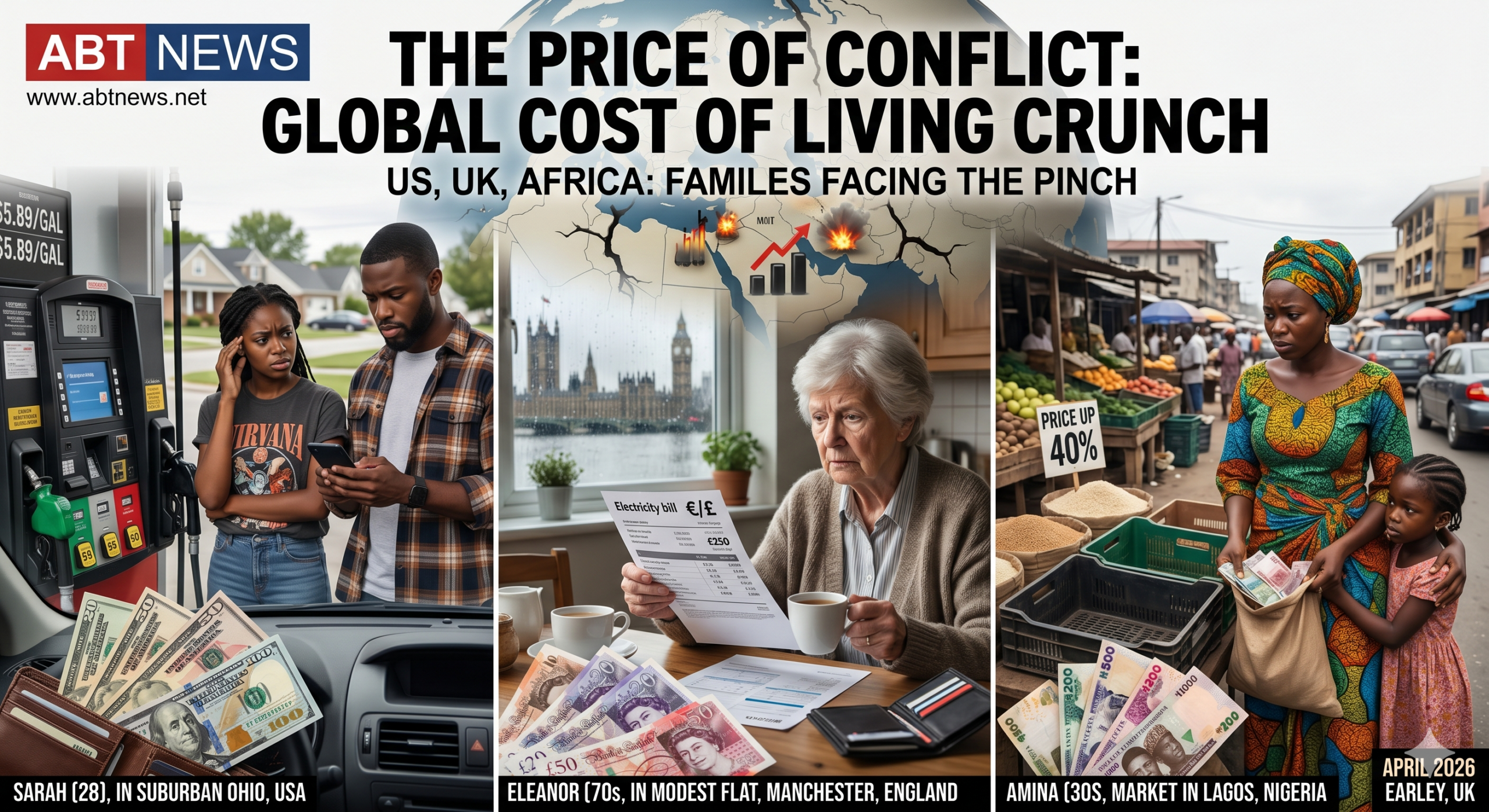

The escalating geopolitical conflict in the Middle East (pitting Israel and the United States against Iran and its regional proxies) is no longer just a distant crisis playing out on television screens. The shockwaves of military strikes, disrupted shipping lanes, and volatile energy markets have bypassed international borders and landed squarely on the kitchen tables of families across the globe.
From the gas pumps of Middle America to the utility meters in London, and the bustling food markets across Africa, the economic fallout is swift and severe. But how exactly is a war thousands of miles away draining family finances, and what does the future hold if the conflict continues unabated?
Here is a breakdown of the global cost of living crunch.
The Mechanics of the Squeeze: Energy, Shipping, and Fertilizer
To understand why family budgets are shrinking, one must look at the supply chains that power the global economy. The Middle East is the world’s most critical artery for oil and natural gas.
Since the escalation of the conflict in early 2026, wholesale gas prices have surged by nearly 70%, while global crude oil prices have spiked by over 35%.
But it is not just fuel. The Persian Gulf is a massive hub for global fertilizer production. As shipping routes become perilous and production is threatened, the cost of agricultural inputs is skyrocketing. For the average family, this translates into a devastating three-pronged attack:
- Higher Fuel Costs: Commuting and transportation immediately become more expensive.
- Soaring Utility Bills: Heating and electricity costs rise as power grids rely heavily on natural gas.
- Food Inflation: Higher fertilizer and transport costs are directly passed on to consumers at the grocery store.
The US and UK: The Return of the Inflation Quagmire
For families in the United States and the United Kingdom, the conflict has rudely interrupted what was supposed to be a year of economic recovery.
The United Kingdom In the UK, the initial economic consequences were felt almost immediately at the petrol pump, with prices rising by roughly 10% to 20% in a matter of weeks. The Bank of England, which was widely expected to cut interest rates to provide relief to mortgage holders, has been forced to hit the brakes. Forecasts for Consumer Price Inflation (CPI), originally expected to drop to 2%, have now been revised upwards. For working-class families still carrying the heavy burden of energy debt from the 2022 energy crisis, the threat of household energy bills climbing by another £500 annually is a devastating blow.
The United States Similarly, in the US, the conflict threatens to reignite the inflation fires the Federal Reserve has spent two years trying to extinguish. Rising crude oil prices immediately hike the cost of gasoline, a highly sensitive political and economic pressure point for American households. Higher fuel costs drive up the price of interstate trucking, meaning every item on a Walmart or Target shelf costs more to transport. Consequently, American families are facing tighter monthly budgets, higher credit card interest rates, and shrinking disposable income.
Africa: A Fragile Balance Tipped into Crisis
While Western nations grapple with inflation, the impact on the African continent is arguably more existential. Many African nations are net importers of both refined petroleum products and food.
- The Food Security Threat: African agriculture heavily relies on imported fertilizers. With Persian Gulf supplies disrupted and prices surging, crop yields across the continent are threatened. This guarantees steeper food prices in markets from Lagos to Nairobi, disproportionately affecting lower-income families who spend a massive percentage of their daily income on basic sustenance.
- Currency Depreciation: As global investors panic over the war, they often pull their money out of emerging markets and seek safety in the US Dollar. This weakens local African currencies, making importing essential goods even more expensive and driving domestic inflation to punishing levels.
What the Future Portends: If the War Continues
If the conflict between Israel, Iran, and US interests settles into a prolonged, unabated war of attrition, the global economic forecast is grim.
- Stagflation: The world could enter a period of “stagflation”—a toxic mix of stagnant economic growth and persistently high inflation. Businesses will freeze hiring due to high energy costs, while families will cut back on spending, triggering localized recessions.
- Prolonged High Interest Rates: Central banks in the US and UK will be paralyzed. Unable to lower interest rates due to energy-driven inflation, families will continue to suffer under the weight of expensive mortgages and high-interest loans.
- Global Debt Crises: For developing nations in Africa, the combination of a strong US dollar, high imported inflation, and expensive borrowing costs could trigger sovereign debt defaults, leading to severe austerity measures that will gut public services for everyday citizens.
The Bottom Line: The bombs may be falling in the Middle East, but the economic casualties are global. Until geopolitical stability is restored, families in the US, UK, and Africa will have to brace for a protracted battle of their own: making ends meet in an increasingly expensive world.
If you are interested in a deeper dive into the economic policy responses to this crisis, you can watch this Resolution Foundation discussion on tackling the cost of living crunch. This panel features economic experts breaking down the impacts of the war on energy bills, supermarket prices, and broader inflation.


 By
By