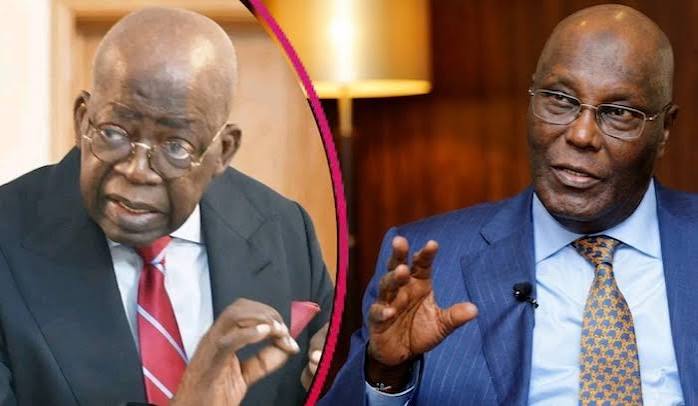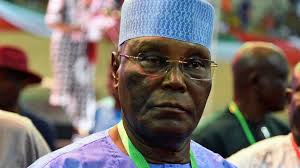

In the theater of Nigerian politics, few figures are as enduring, polarizing, and relentlessly ambitious as Alhaji Atiku Abubakar. Once the charismatic Vice President who commanded the formidable Peoples Democratic Movement (PDM) political machine, Atiku was positioned to be the natural successor to President Olusegun Obasanjo. But politics is a game of chess, not checkers. A spectacular fallout with his principal turned Atiku’s presidential trajectory into a Sisyphean task. Obasanjo made it his mission to ensure his deputy never took the top seat and the rest, as they say, is history.
Fast forward to 2026. As the drums of the 2027 general elections begin to beat, a familiar face has boarded the flight from the UAE to Abuja. Atiku Abubakar, often criticized by detractors as a “diaspora politician” who resides in Dubai and only returns for election cycles, is reportedly dusting off his political machinery. But with the presidency currently zoned to the South, and Father Time knocking at his door, is the Waziri of Adamawa setting himself up for another grand heartbreak? Time will tell!
A Chronicle of Party-Hopping and Futile Bids
To understand Atiku’s current predicament, one must look at his dizzying history of political cross-carpeting. His desperation to break the “Obasanjo curse” has turned him into Nigeria’s most famous political nomad, resulting in a string of failed bids:
- 2007 (Action Congress): After being frustrated out of the PDP by Obasanjo, Atiku helped form the AC. He ran for president but was soundly defeated by the PDP’s Umaru Musa Yar’Adua.
- 2011 (Back to PDP): Realizing the opposition was fragmented, he returned to the PDP to challenge the zoning arrangement, fighting Goodluck Jonathan for the ticket. He lost heavily at the primaries.
- 2015 (The APC Defection): Capitalizing on the wave of opposition against Jonathan, Atiku jumped ship to help form the All Progressives Congress (APC). He contested the primaries but was overshadowed by the cult-like Northern following of Muhammadu Buhari.
- 2019 (Return to PDP – Part II): Unhappy with his marginalization in the APC, he returned to his “home” party. He finally got the presidential ticket but was defeated by incumbent President Buhari in the general election.
- 2023 (The Zoning Defiance): This was perhaps his most controversial run. Despite an unwritten national consensus that the presidency should rotate to the South after Buhari’s 8-year Northern tenure, Atiku insisted on running. His ambition fractured the PDP, birthed the rebellious “G-5 Governors,” and paved the way for Asiwaju Bola Ahmed Tinubu’s victory.
The 2027 Mirage: Why the Odds are Steeper Than Ever
As we approach 2027, Atiku’s insistence on running defies conventional political logic for several glaring reasons:
1. The Zoning Conundrum The unwritten rule of power rotation in Nigeria is a delicate balancing act. President Buhari (a Northerner) ruled for eight consecutive years. The slot is now firmly in the South. Attempting to snatch the presidency back to the North after just one term of a Southern presidency is a move that will face fierce resistance, not just from the South, but from Northern elites who value national stability over individual ambition.
2. The Age Factor Born in November 1946, Atiku Abubakar will be pushing 81 by the time the 2027 elections are concluded. In an era where Nigerians are actively clamoring for younger, more energetic, and modern-thinking leadership, fielding an octogenarian who has been in the corridors of power since 1999 is a tough sell. Time and demographics are simply no longer on his side.
3. The “Dubai Residency” Optics The Nigerian electorate has grown increasingly cynical of the “Dubai commuter” narrative. The optics of a candidate who retreats to the luxury of the United Arab Emirates immediately after an election loss, only to return years later asking for votes, reeks of opportunism. Voters want leaders who weather the nation’s economic and social storms with them, not those who govern from the departure lounge.
What Should Nigerians Expect?
In the coming months, expect a masterclass in political PR. The Atiku camp will launch massive media campaigns emphasizing his business acumen and his ability to “unify” the country. Expect to see him attempting to forge mega-alliances, possibly making overtures to other opposition figures to form a coalition against the ruling party. There will be town halls, highly publicized donations, and intense lobbying.
However, beneath the well-funded campaign, the structural cracks will remain.
The Best Advice for the Waziri
Atiku Abubakar has nothing left to prove. He is a billionaire businessman, a former Vice President, and a foundational pillar of Nigeria’s modern democracy.
The best advice for him in 2026 is to transition from a contestant to a kingmaker. By hanging up his electoral boots, he can shed the image of a desperate politician and assume the dignified role of an elder statesman. He should channel his vast resources, political machinery, and experience into mentoring a younger generation of capable leaders from the North or the South.
If he continues on his current path, he risks his legacy being defined not by his formidable achievements, but by his inability to know when the show is over. It is time for Atiku to let the curtain fall on his presidential ambitions before the audience walks out of the theater entirely.

 By
By