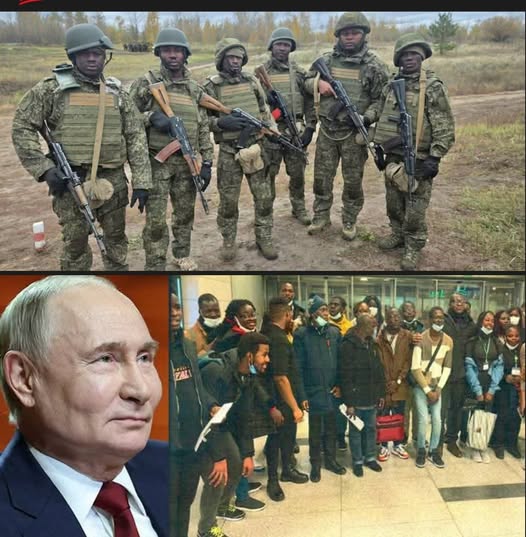
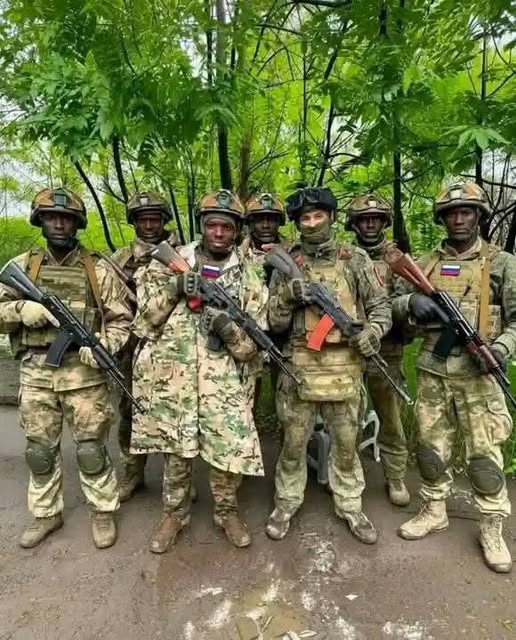

Investigations by intelligence agencies, human rights monitors, and media outlets reveal that Russia’s recruitment of African citizens, including young men from Nigeria, Kenya, Ghana, and South Africa, operates through a coordinated multi-tier human trafficking network.
The pipeline relies on economic vulnerability, deceptive employment agencies, and rapid visa processing to channel recruits directly from African cities to the active battlefields of Ukraine.
1. Local Fronts: “Kazi Majuu” & Unregistered Agencies
In major urban hubs across Nigeria (Lagos, Abuja) and Kenya (Nairobi, Eldoret), recruitment starts on the ground:
- Shady Employment Syndicates: Agencies often front as overseas employment agencies offering legitimate foreign work visas under programs like Kazi Majuu (work abroad). They promise positions in security, logistics, manufacturing, or construction.
- Informal Referral Networks: Recruiters offer financial referral incentives to candidates who sign up their peers, creating a viral word-of-mouth pipeline.
- The High-Pay Hook: Facing high inflation and youth unemployment, recruits are enticed by advertised packages offering a $2,000 signing bonus, monthly salaries exceeding $2,300, and fast-tracked Russian citizenship.
2. The Legal Front: Special Visas & Fast-Tracking
The administrative leg relies on rapid processing through Russian diplomatic and commercial channels:
[Local Recruitment Agency] ──► [Work / Student Visa Issued] ──► [Flight to Moscow]
                                                                        │
                                                                        ▼
[Frontline Deployment]  ◄──  [Cyrillic Contract Signed]  ◄── [Military Base]
- Fast-Track Work & Student Visas: Recruits apply for expedited Russian work or student visas. Processing times are intentionally shortened to move candidates out of their home countries before family members or local authorities intervene.
- Bypassing Local Emigration Checks: Candidates are instructed to declare their travel destination as civilian study or construction work to pass airport border security in Nigeria and Kenya.
3. Arrival in Russia: The “Bait-and-Switch” Contract
Once recruits land at major hubs like Moscow or Kazan, the operation pivots from recruitment to coercion:
- Passport Confiscation: Upon landing, handlers frequently seize recruits’ passports, tickets, and identification under the guise of “administrative processing,” effectively eliminating their ability to return home.
- Cyrillic Contracts: Recruits are presented with legally binding military contracts written entirely in Russian without certified English or local language interpreters present. They are told the documents are standard security clearance or residency forms.
- Work-Study Exploitation: In non-military channels, young men and women brought in under “work-study” programs (such as those at drone facilities in Tatarstan) are forced under threat of deportation or imprisonment to perform hazardous defense assembly work.
4. Accelerated Training and Frontline Deployment
The transition from civilian recruit to active combatant occurs within weeks:
| Stage | Duration | Operational Reality |
| Bootcamp | 1 to 4 Weeks | Basic physical drills; minimal tactical or weapons instruction. |
| Language Barrier | Immediate | Recruits are integrated into Russian units where commanders communicate exclusively in Russian, leading to tactical confusion. |
| Deployment | Immediate | Assigned to infantry units in high-intensity assault zones where artillery, heavy drones, and high-explosive ordnance operate. |
Government Responses and Crackdowns
As foreign intelligence and UN reports have highlighted these pipelines, African governments have begun taking action:
- Kenya: Law enforcement agencies have raided unregistered recruitment offices in Nairobi, rescued recruits, and tightened airport exit screening.
- Nigeria & Ghana: Foreign ministries are conducting active investigations into illicit recruitment syndicates, coordinating with diplomatic missions in Kyiv and Moscow.
- Human Rights Advocacy: International organizations, including Amnesty International, are calling on regional blocs like the African Union to clamp down on foreign mercenary operations targeting African citizens.



 By