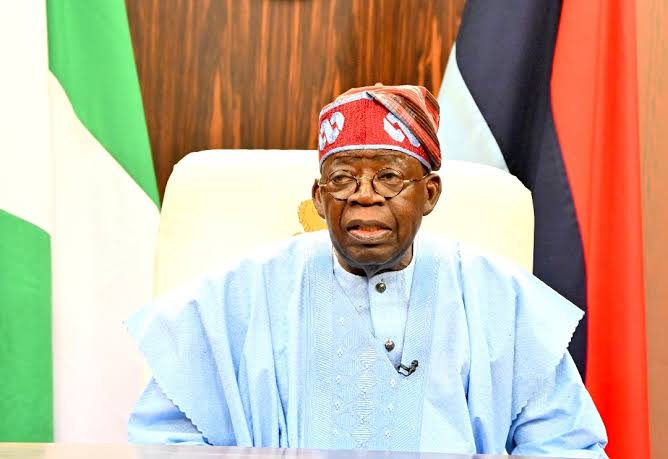

ABUJA, NIGERIA — President Bola Ahmed Tinubu has formally written to the Nigerian Senate, seeking legislative approval for $20.51 billion and €1.45 billion in foreign loans under the Federal Government’s 2026–2027 Supplementary External Borrowing Plan.
In a communication read on the floor of the Senate by Senate President Godswill Akpabio, the President explained that the borrowing is essential to address persistent revenue shortfalls, bridge critical funding gaps, and sustain execution of major national infrastructure projects.
Why the Massive Request? The Rationale Behind the Loan
According to the executive communication, the proposed facility aims to finance key structural projects that cannot be met solely by domestic revenues. Primary objectives cited by the government include:
- Infrastructure Development: Funding power projects, railway corridor expansions, roads, and port rehabilitation.
- Budgetary Deficit Bridging: Covering gaps in the capital expenditure framework of the multi-year budget.
- Economic Stabilization: Funding health, education, and social safety net programs amid inflationary pressures.
Is the Nigerian Government in Financial Distress?
The sheer scale of the request has raised immediate economic concerns. While the government maintains that the borrowing is a strategic investment in growth-generating assets, financial analysts point to underlying structural stress:
- High Debt Service Ratios: Despite a relatively manageable debt-to-GDP ratio (around 34–35%), a substantial portion of federal revenue continues to be absorbed by debt servicing.
- Revenue Deficits: Non-oil revenues have grown slowly relative to rising operational costs and inflation, leaving foreign borrowing as the default mechanism for capital projects.
- Rating & IMF Warnings: Institutional observers, including the International Monetary Fund (IMF), have cautioned Nigeria regarding the rapid expansion of external liabilities, emphasizing that escalating foreign commitments without commensurate revenue expansion could exacerbate fiscal vulnerabilities.
While Nigeria is not technically bankrupt, it operates in a state of severe fiscal tightness where cash flow constraints limit independent capital investments without external credit facilities.
Political Backlash: Concerns Over the Upcoming General Elections
The request has triggered political debate across the country. Opposition figures, civil society organizations, and public commentators have expressed skepticism, raising concerns that borrowing heavily ahead of the 2027 general election cycle could be tied to political expenditure and rigging.
Allegations & Concerns
- Pre-Election Spending: Critics allege that massive liquidity injections ahead of an election year risk being diverted into political campaigns, constituency projects, or electoral logistics rather than strictly audited capital development.
- Debt Burden on Future Administrations: Opponents argue that taking on over $20 billion in liabilities short-term locks future governments into severe repayment obligations.
How True Are the Rigging Allegations?
- Direct Rigging via Borrowing: There is no official indication or legal evidence suggesting loan proceeds are intended to “rig” elections. Multilateral and bilateral external loans (such as those from the World Bank, AfDB, or Eurobond markets) are bound by strict disbursement conditions, tied directly to approved procurement frameworks and project milestones.
- Political Spending Realities: However, economic policy analysts note that government spending naturally expands in pre-election windows, which can indirectly influence voter sentiment through rapid project rollouts.
What Happens Now?
- Legislative Scrutiny: The Senate and the House of Representatives will refer the President’s request to the Senate Committee on Local and Foreign Debts for review.
- Ministry Defense: Officials from the Ministry of Finance, the Debt Management Office (DMO), and the Ministry of Budget and Economic Planning will be summoned to defend the line items and terms of the loan.
- Approval Process: Given the ruling party’s majority in the National Assembly, the loan request is widely expected to be approved, potentially with specific conditions or reporting mandates attached.
ABT NEWS will continue to monitor developments from the National Assembly as the committee hearings commence.



 By