
While ordinary households across Africa grapple with soaring living costs and devastating climate shocks—from prolonged droughts in the Horn of Africa to severe flooding in the south—a staggering new report reveals the true culprits behind the crisis. It isn’t just the lavish lifestyles of the ultra-wealthy that are overheating the planet, but their investment portfolios.
According to sweeping new research from Greenpeace, the world’s richest individuals cause nearly $1 trillion a year in climate damage through their ownership of carbon-intensive assets. The findings paint a stark picture of climate injustice that deeply impacts the African continent
The Ownership Gap: Profits vs. Planet
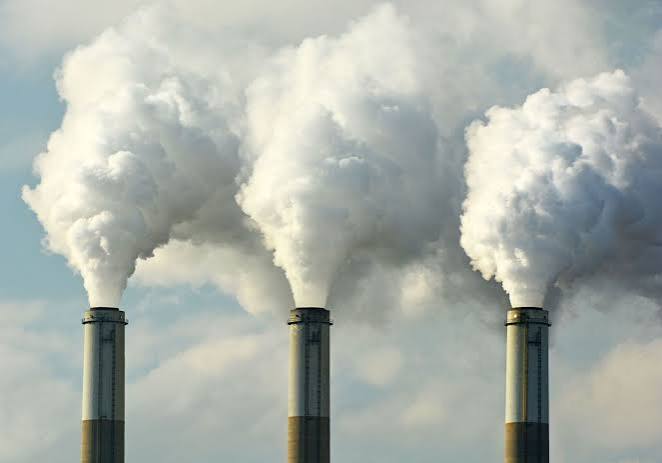
The study shifts the spotlight away from the private jets and superyachts of the elite to something far more damaging: “ownership-based emissions.” These are the greenhouse gases produced by the fossil fuel companies, heavy industries, and vast property developments owned by the super-rich.
The data reveals a staggering disparity:
- The Top 1% (individuals with wealth above $2 million) control about 25% of all global annual emissions through their shareholdings and investments.
- They are responsible for 40% of all ownership-based emissions.
- In glaring contrast, the bottom half of the world’s population—which includes hundreds of millions of people across Africa—accounts for a mere 3% of these emissions.
“At a time when people are facing rising energy bills, rising living costs, and growing climate impacts, many are asking why ordinary households should shoulder so much of the burden, while some of the world’s wealthiest people continue to profit from the industries driving the crisis,” said Clara Thompson, the global lead campaigner on socioeconomic systems at Greenpeace International.
The African Reality
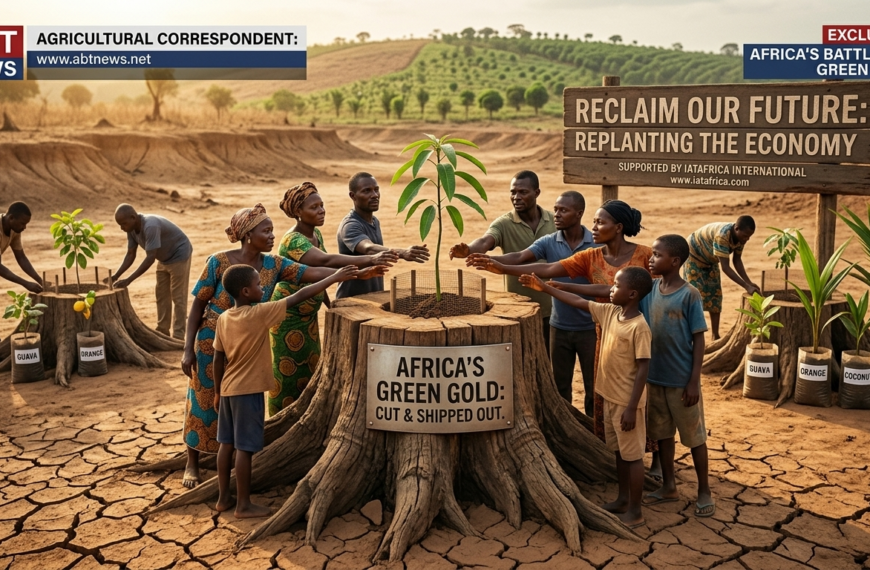
For Africa, these numbers are more than just statistics—they are a matter of survival. The continent accounts for the smallest share of global greenhouse gas emissions (historically around 3-4%), yet it remains the most vulnerable to climate change.
While big banks and global investors poured an additional $900 billion into fossil fuels last year alone, African nations are left footing the bill for climate adaptation. The $1 trillion in annual damage generated by the investments of the Global North’s elite directly translates into disrupted agricultural seasons, water scarcity, and extreme weather events across the continent.
A Call for Climate Justice and Wealth Taxes
As governments gather in Bonn, Germany, for talks ahead of the Cop31 UN climate summit this November, the glaring inequalities between the Global North’s wealthiest and the Global South’s most vulnerable are dominating discussions.
Greenpeace and other advocates are calling for a radical shift in climate policy. “For years, climate policy has focused on consumers,” Thompson noted. “But our findings suggest we should be paying much more attention to what [people] own and invest in.”
The proposed solution? Wealth taxes.
Targeting the extreme wealth that funds carbon-heavy industries could serve a dual purpose: curbing the investments that drive global heating and generating the billions needed for a “just transition.” For Africa, redirecting even a fraction of this $1 trillion “climate debt” could finally provide the critical funding needed for renewable energy infrastructure and climate resilience programs, ensuring that those who contributed most to the problem finally pay to fix it.
For more critical updates on climate policy and how it impacts our continent, stay tuned to ABT NEWS.


 By
By